
All Cities
Discover safe neighborhoods and get street-level safety intel for cities worldwide
Aalborg
1Denmark•142K
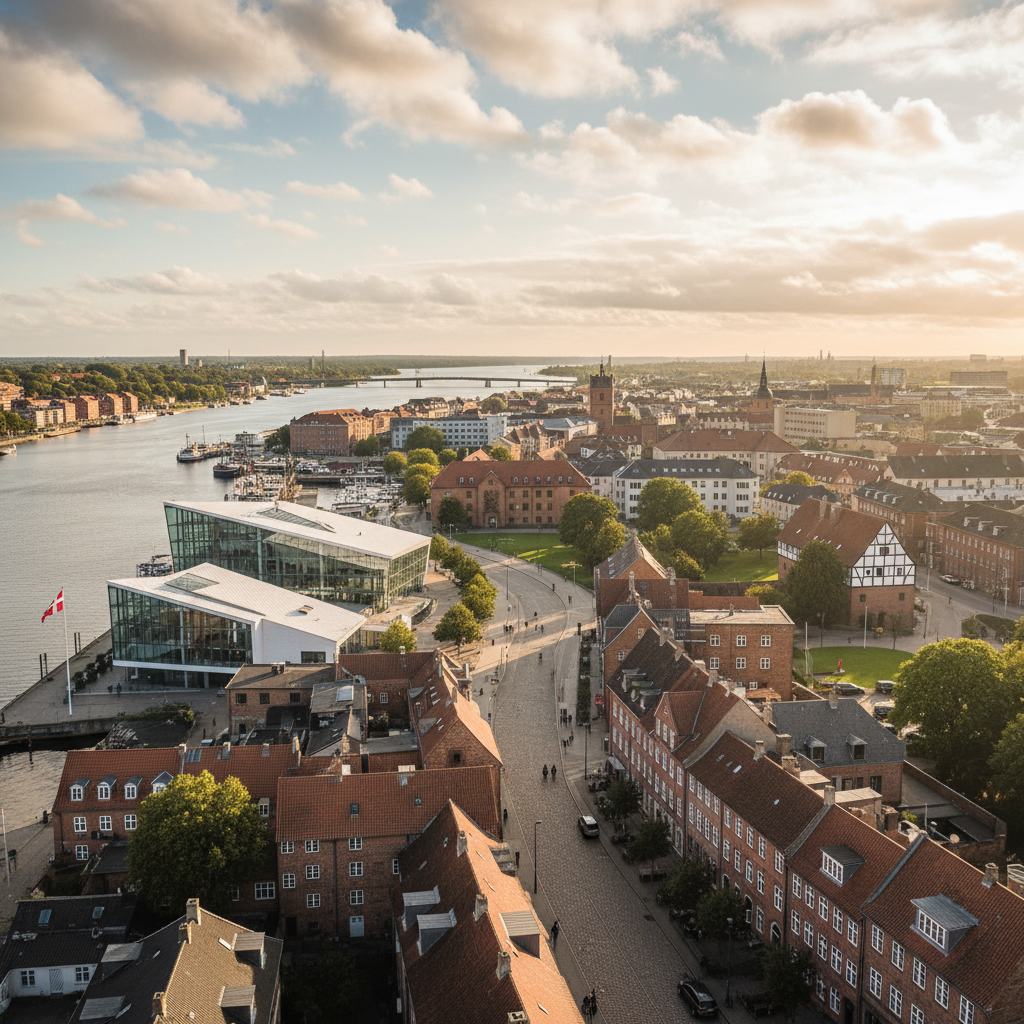
Aalborg is the principal city of northern Jutland — a former industrial port city of 142,000 people that has successfully reinvented itself as a centre of modern architecture, student culture, and waterfront recreation. The city's most famous architectural monument is the Utzon Center (2008), designed by Jørn Utzon, the architect of Sydney Opera House, as a cultural centre celebrating his design legacy with sweeping white curves and harbour views. Aalborg's Viking heritage is preserved at Lindholm Høje — one of Scandinavia's largest and most well-preserved Viking burial grounds (6th-10th centuries), where over 700 graves are marked by stone ships and circular settings on a windswept hilltop overlooking the Limfjord. The city's Jomfru Ane Gade — a legendary pedestrian alleyway entirely lined with bars, clubs, and restaurants — is Denmark's most famous nightlife street, drawing party-goers from across northern Europe. Aalborg's waterfront transformation includes the modern Port Front district with striking contemporary architecture, including the Cubic residential complex and the upcoming Utzon Park.
Aarhus
9Denmark•285K
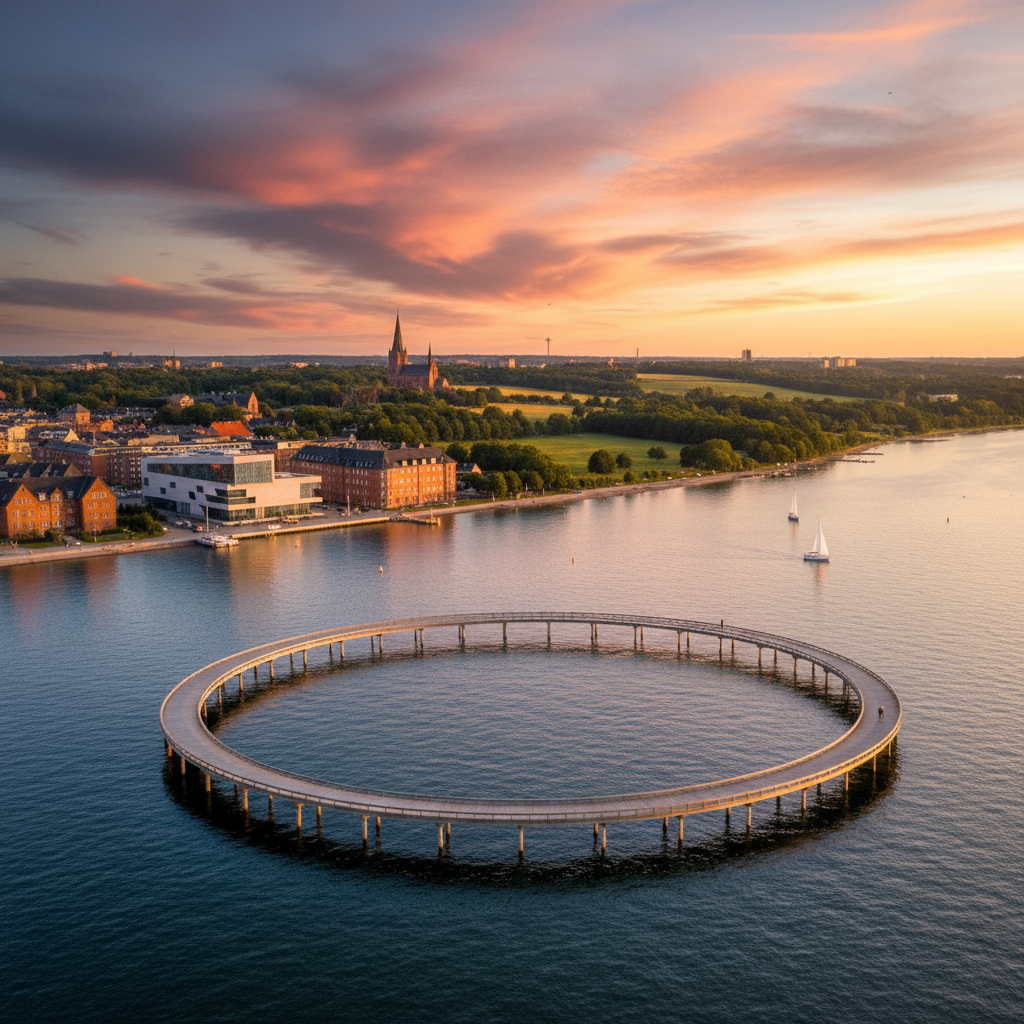
Founded in the Viking Age, Aarhus has a rich maritime history that is showcased in the detailed exhibits at the Moesgaard Museum. The city's development accelerated in the 19th century when it became a significant trading post, and today it's known for its blend of modern and historic architecture, including the iconic Aarhus City Hall built in 1941.
Abaiang Atoll
10Kiribati
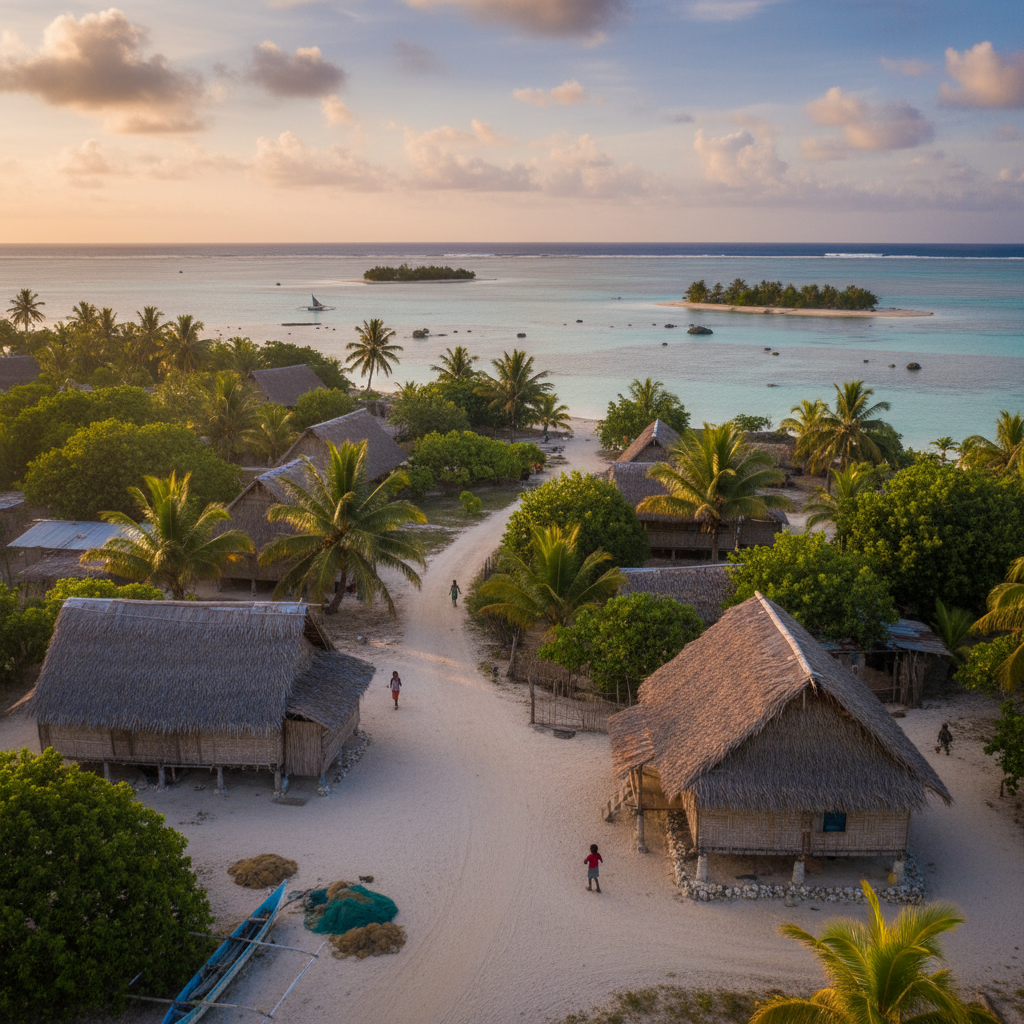
Abaiang is an atoll in the northern Gilbert Islands of Kiribati, in the central Pacific, and one of the traditional atolls of the Gilbertese people. The atoll grew as a Gilbertese settlement, and it was one of the first atolls to be visited by Europeans, when the British explorer Gilbert arrived in the 18th century. The atoll is known for its cultural heritage, the traditions of the Gilbertese people, and the nearby reefs and the lagoon of the atoll. Today Abaiang is an atoll in the Gilbert Islands of Kiribati, a centre of Gilbertese culture and history.
Abeche
12Chad•100K
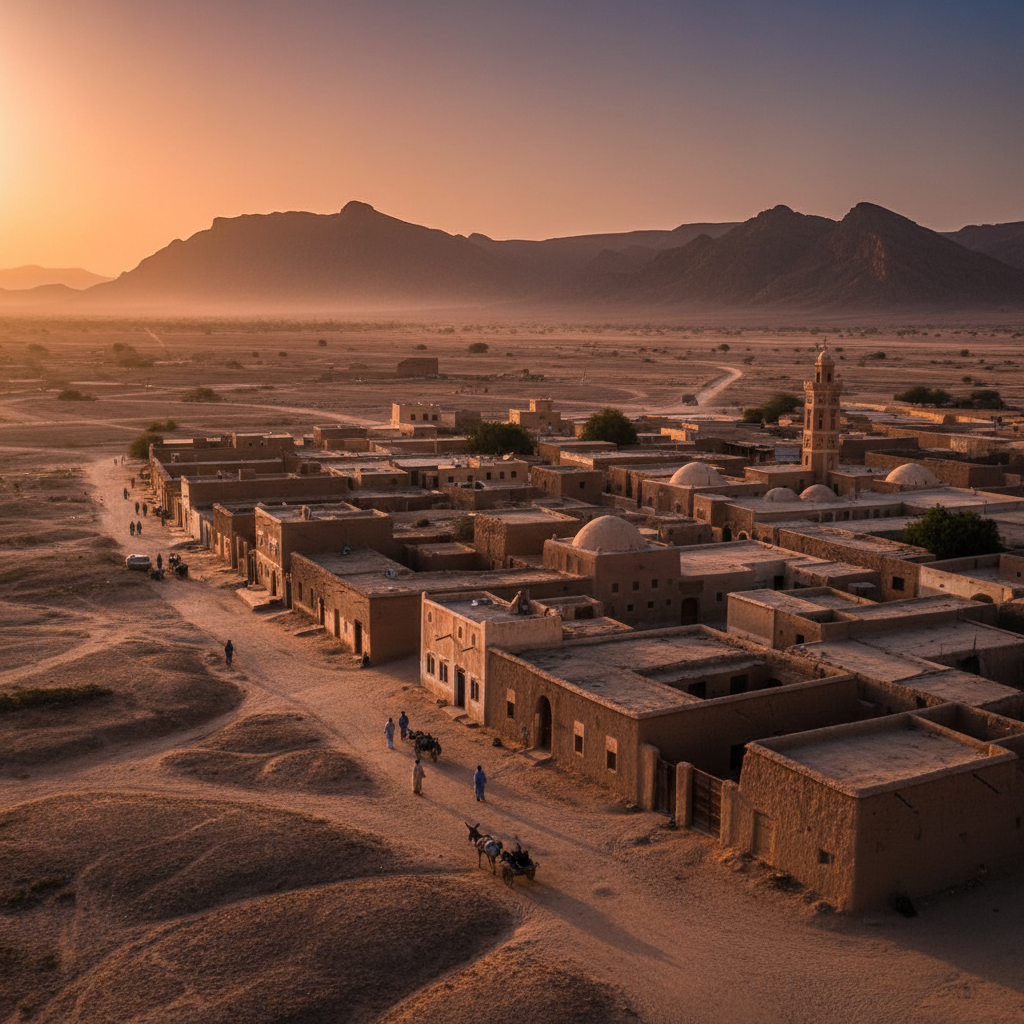
Abeche is Chad's fourth-largest city and one of the most historically significant urban centres in the entire Sahel. It served as the capital of the powerful Ouaddaï Sultanate — one of the great Islamic empires of north-central Africa — from the 17th century until French colonial conquest in 1909. The Ouaddaï sultans maintained lucrative trans-Saharan trade routes connecting sub-Saharan Africa to Egypt and the Arab world, trading in slaves, ostrich feathers, ivory, and salt. The city retains remarkable architectural heritage in its narrow adobe alleys, traditional mosques, and the crumbling ruins of the Sultan's Palace. Abeche's proximity to the Sudan border has made it a frontline city during multiple regional conflicts, including the Darfur crisis and subsequent cross-border insurgencies. It remains a vital Islamic cultural and scholarly centre in eastern Chad.
Abengourou
6Côte d'Ivoire•120K
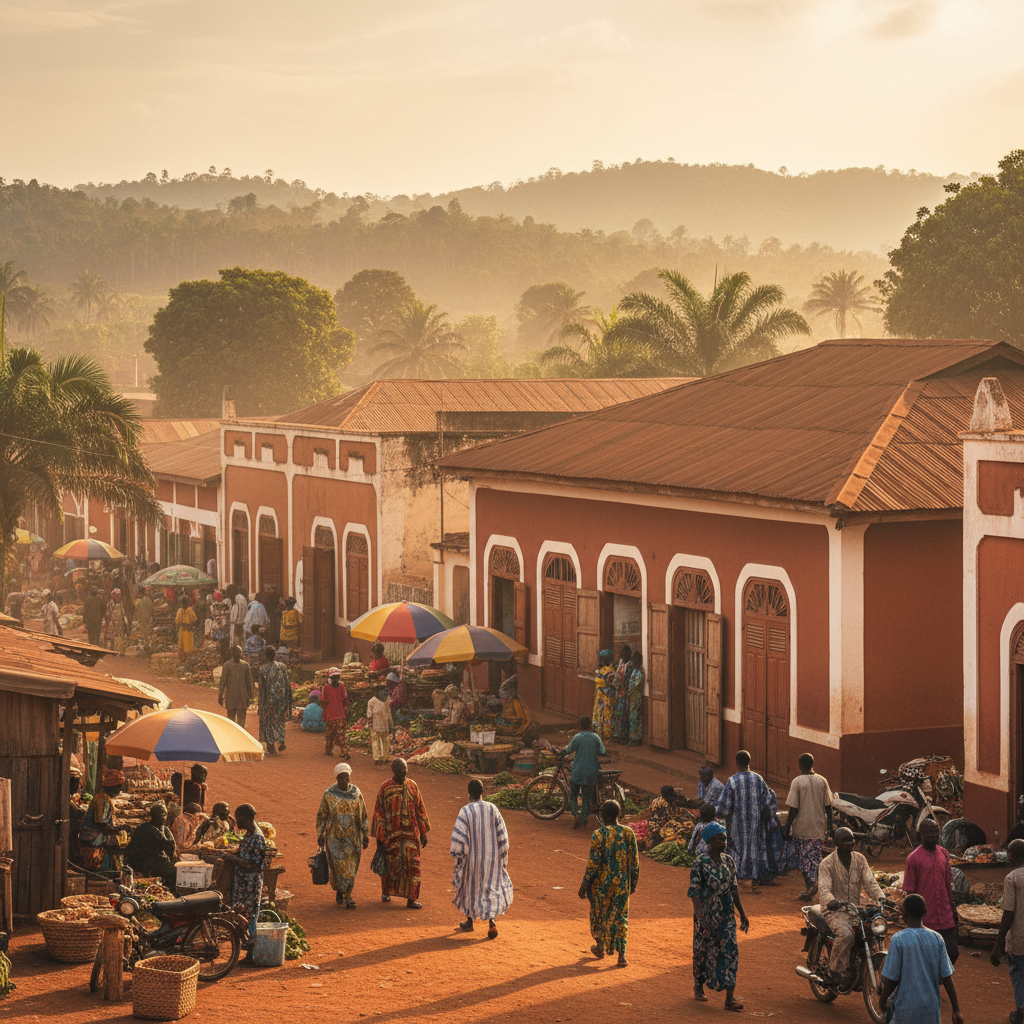
Abengourou, known as the 'City of the Chieftain', has a rich history influenced by the Akan people and serves as a traditional center for the Agni ethnic group. It was an important administrative center during the colonial era and is known for its vibrant cocoa and palm oil production. The city has maintained its cultural significance through ceremonies and festivals rooted in its history.
Abeokuta
10Nigeria
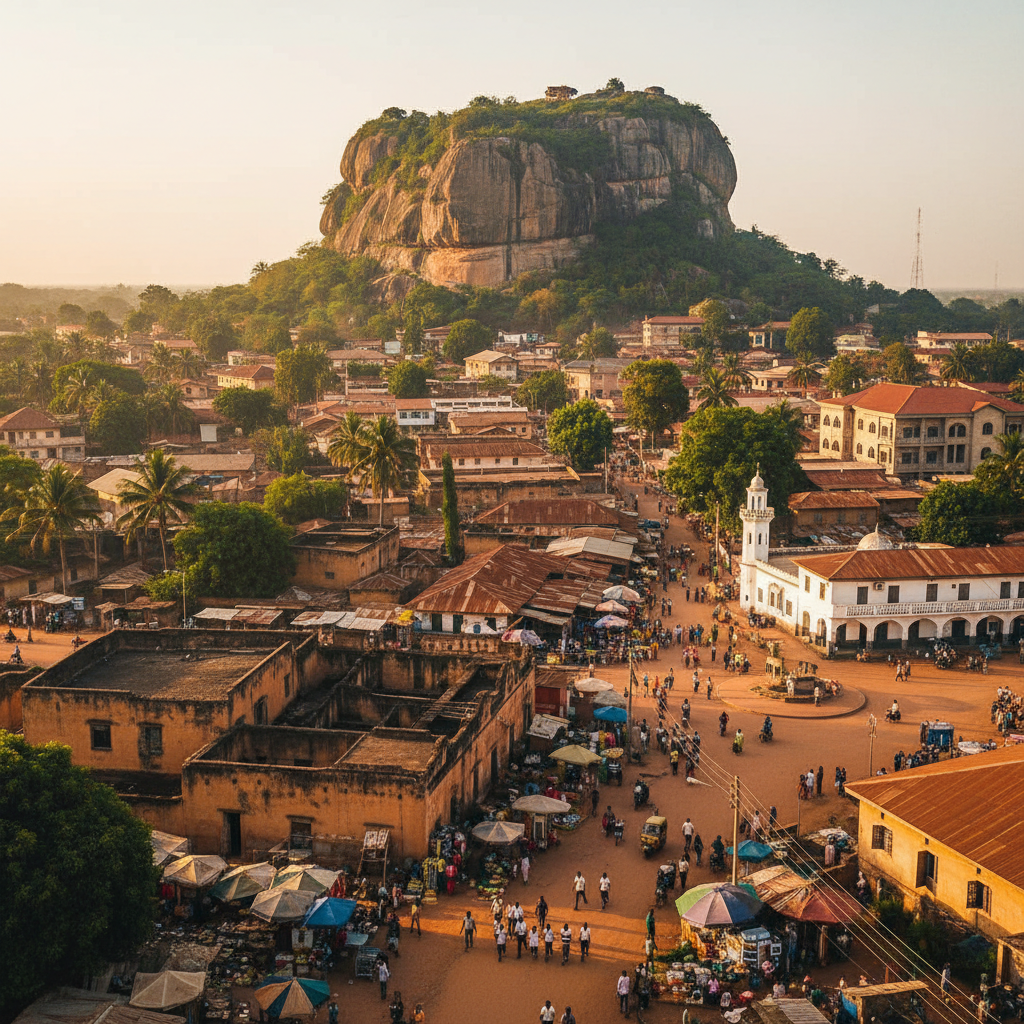
Abeokuta, founded in the early 19th century, is notable for being the capital of the Egba people and is steeped in rich history as a refuge during the Yoruba wars. The town is home to the famous Olumo Rock, which served as a fortress and lookout point during these conflicts. Additionally, Abeokuta hosts historic sites that celebrate its role in Nigeria's struggle for independence.
Aberdeen
8Scotland•198K
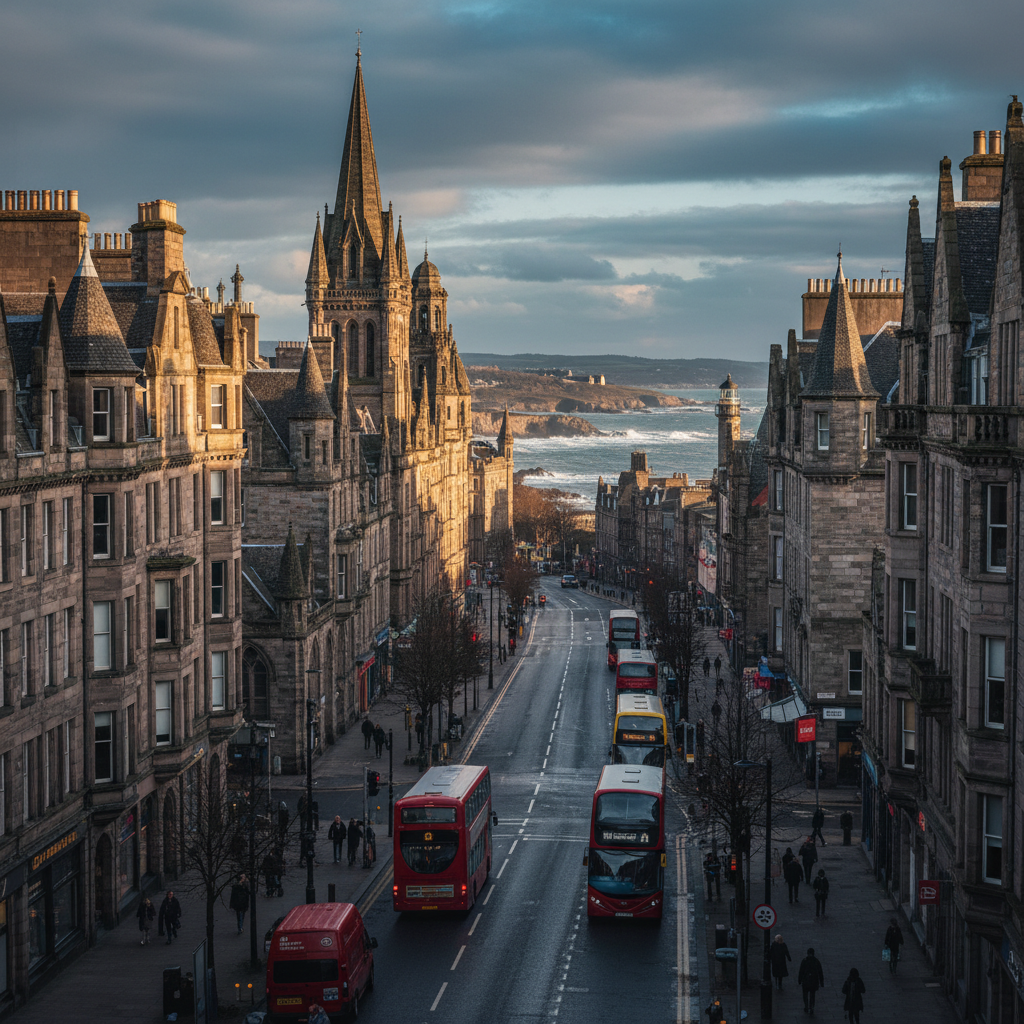
Aberdeen — the 'Granite City' — is built almost entirely from local grey granite, giving it a uniquely austere and imposing character that glitters silver on sunny days. Founded in the 12th century, it has two medieval universities (King's College, 1495, and Marischal College, 1593 — now merged as the University of Aberdeen, the fifth-oldest in the English-speaking world). Aberdeen's prosperity was built on fishing, farming, textiles, and papermaking. The discovery of North Sea oil in the 1970s transformed the city into the 'Oil Capital of Europe' — bringing enormous wealth and a cosmopolitan workforce from across the world. Aberdeen Harbour is one of the busiest in Scotland. The city has two spectacular free art galleries (Aberdeen Art Gallery and the Maritime Museum), Europe's largest urban beach (2 miles of golden sand), and easy access to Royal Deeside — the royal family's Scottish home at Balmoral Castle lies 50 miles west.
Abha
10Saudi Arabia
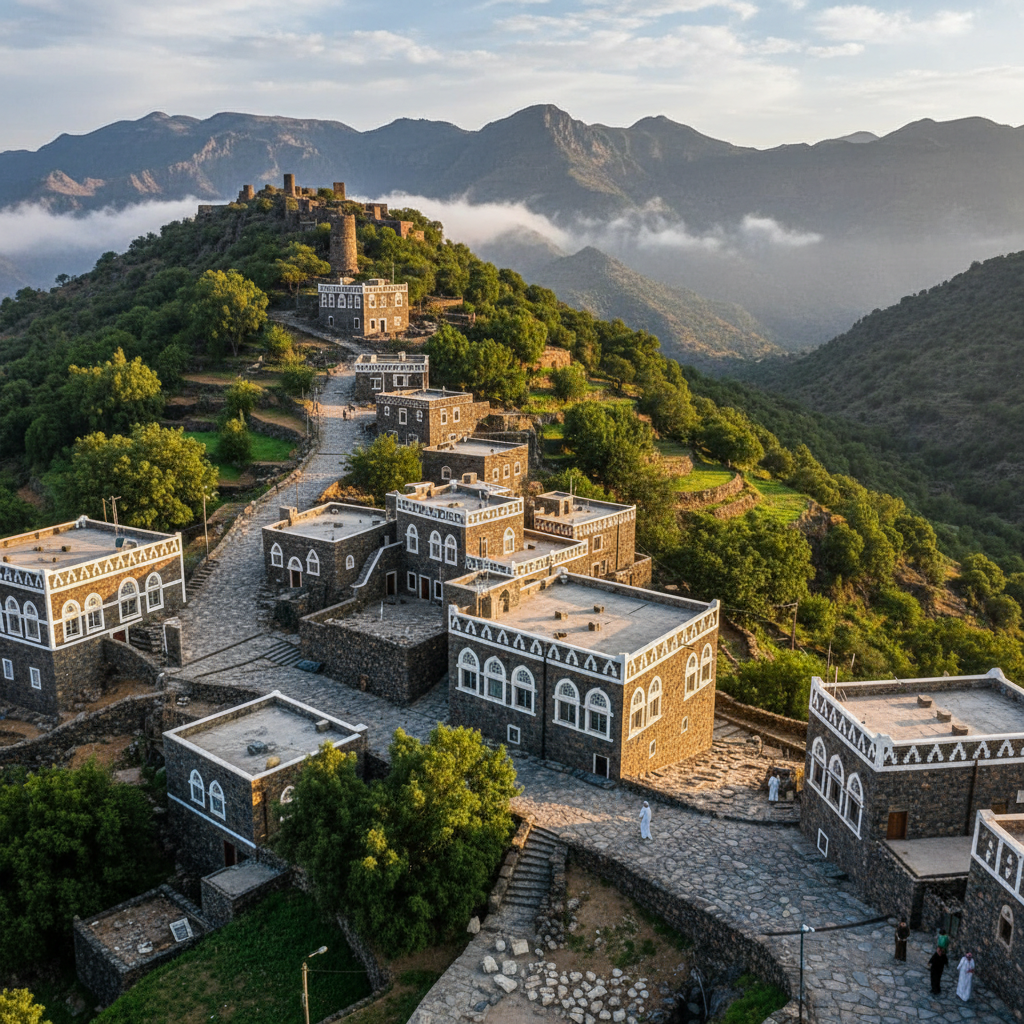
Abha is known for its rich history, especially as a center of the Aseer region, which has been inhabited since pre-Islamic times. The city has cultural significance due to its traditional architecture, particularly the mud-brick houses found in the Al-Saud heritage district, and the important socio-political role it played during the rise of the Saudi state in the 20th century.
Abidjan
10Côte d'Ivoire•4.8M
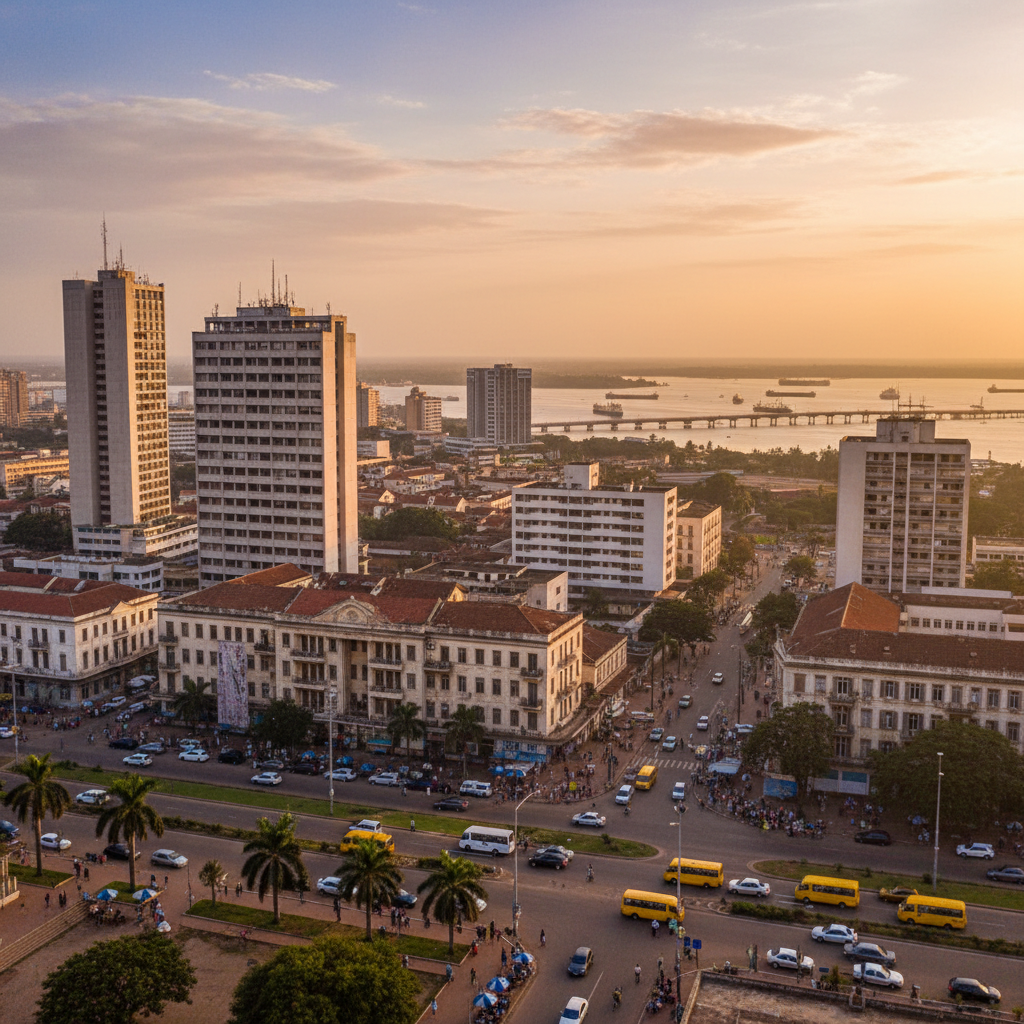
Abidjan was founded in the late 19th century as a French colonial port and quickly grew to become the economic capital of Côte d'Ivoire. Following independence in 1960, Abidjan experienced rapid urbanization, becoming a hub for culture and commerce in West Africa. The city has since played a central role in the country's development, facing challenges such as civil unrest and economic fluctuations.
Abomey
6Benin•120K
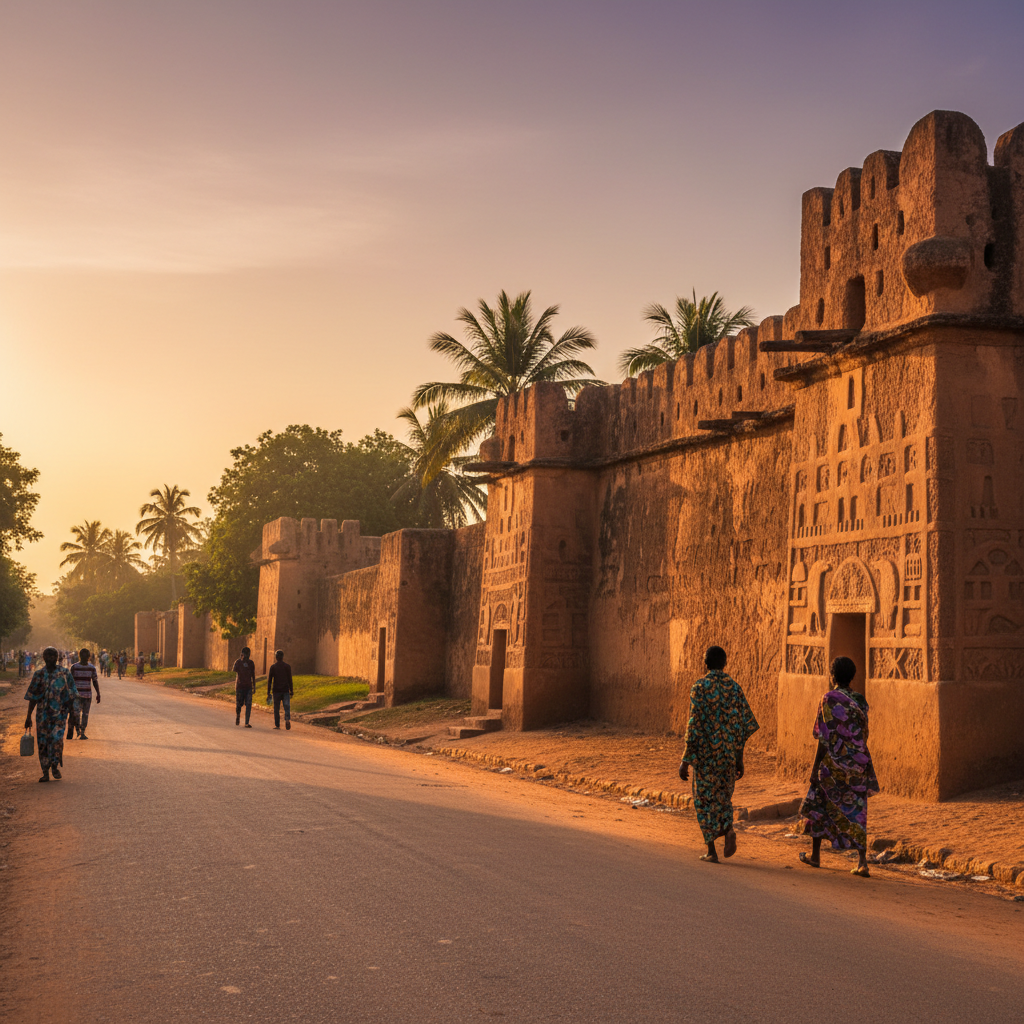
Abomey is the historic capital of the Kingdom of Dahomey, one of the most powerful states of West Africa from the 17th to the 19th centuries. The city was the seat of the Dahomey kings, who built a series of royal palaces with bas-relief walls that recorded the history and myths of the kingdom, and the city was the centre of the kingdom's military power, its trade, and its role in the transatlantic slave trade. The royal palaces are a UNESCO World Heritage Site, a complex of earthen buildings and courtyards that is one of the most important historic sites in West Africa. Today Abomey is the cultural and historic centre of Benin, a living record of the Dahomey kingdom.
Abu Dhabi
8United Arab Emirates•1.5M
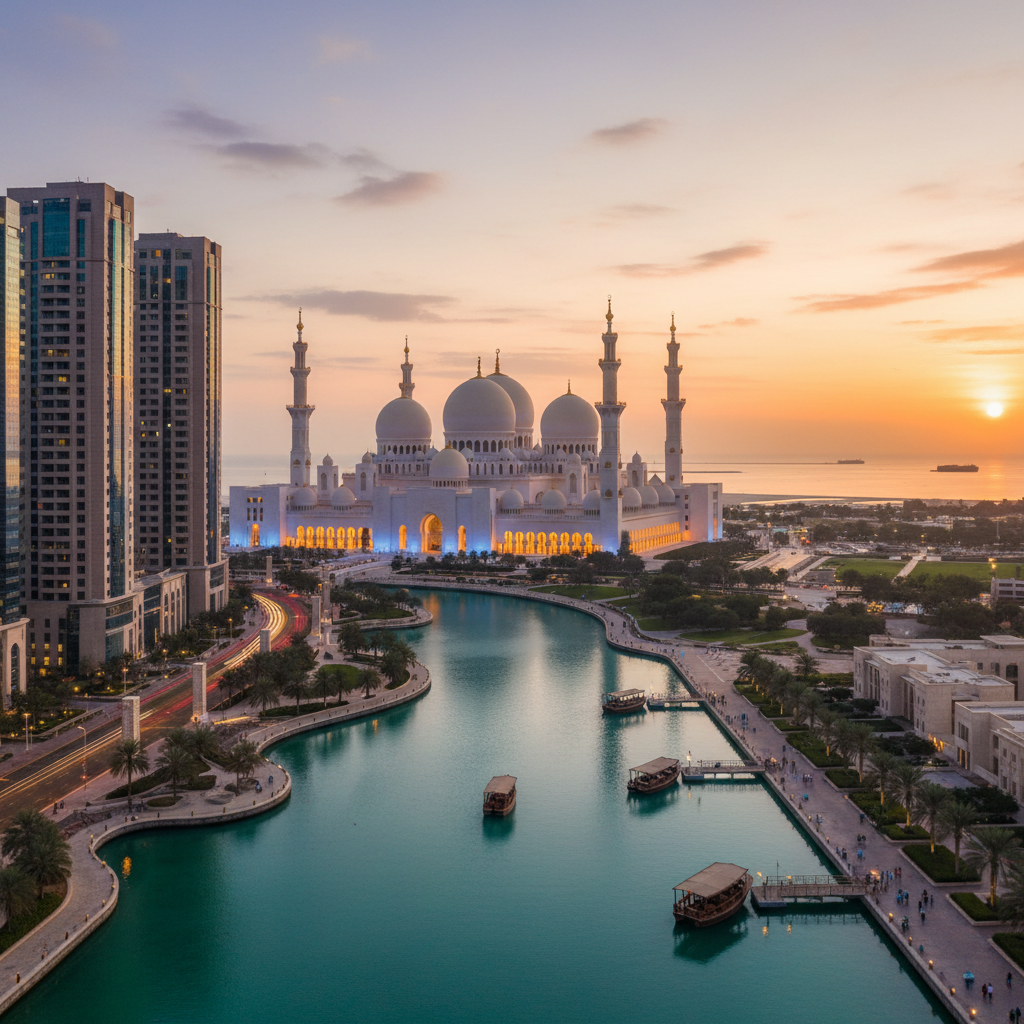
Abu Dhabi is the capital of the United Arab Emirates and the seat of the federal government, built on an island in the Persian Gulf. Its modern history began in the 18th century with the Bani Yas tribal confederation led by the Al Nahyan family, who settled the island for its fresh water. The discovery of oil in 1958 transformed a modest fishing and pearling town into one of the wealthiest cities in the world, and the rulers invested the revenues into a planned, greener, more culturally conservative capital than neighbouring Dubai. Today Abu Dhabi is home to the Sheikh Zayed Grand Mosque, the Louvre Abu Dhabi, and the government institutions of the UAE.
Abuja
10Nigeria•3.6M
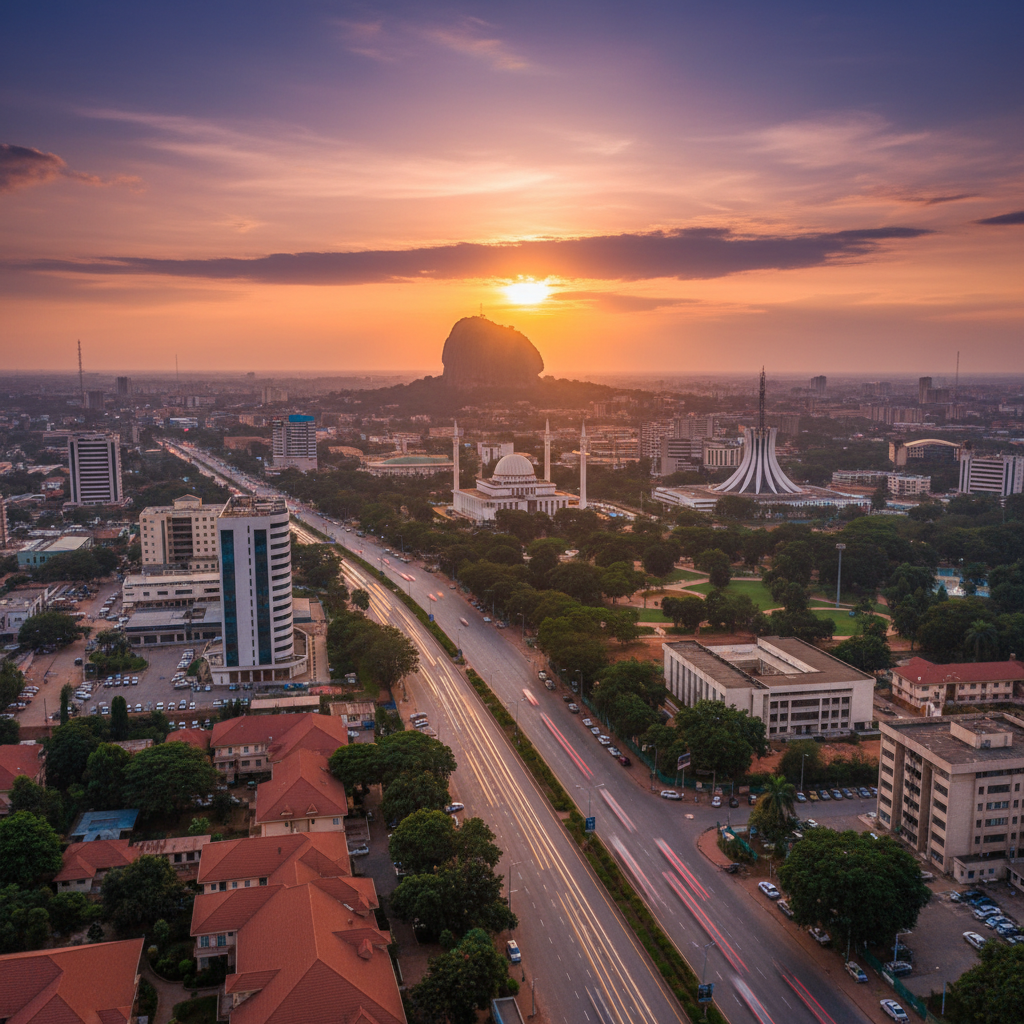
Abuja was officially designated as the capital of Nigeria in 1991, chosen for its central location that promotes national unity. The city was built as a planned urban center, with the intention to alleviate congestion in Lagos and support the growing population. Abuja's architectural landscape includes notable structures like the National Mosque and the Nigerian National Assembly.
Accra
10Ghana•2.3M
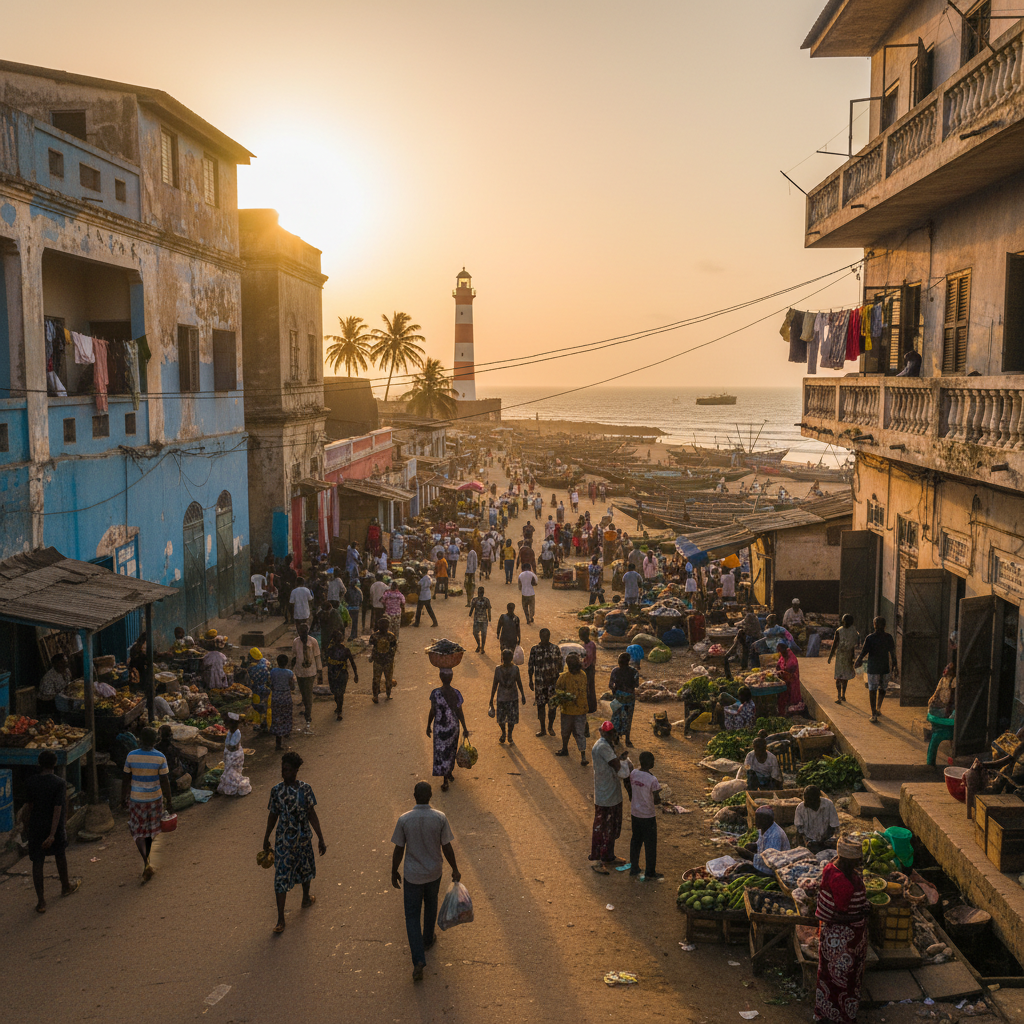
Founded in the late 15th century, Accra has been a center of trade and diplomacy, especially during the British colonial period. It became the capital of Ghana in 1877 and played a significant role in the country's struggle for independence, gaining it in 1957. The city blends colonial architecture with modern developments, reflecting its vibrant history.
Acquaviva
8San Marino
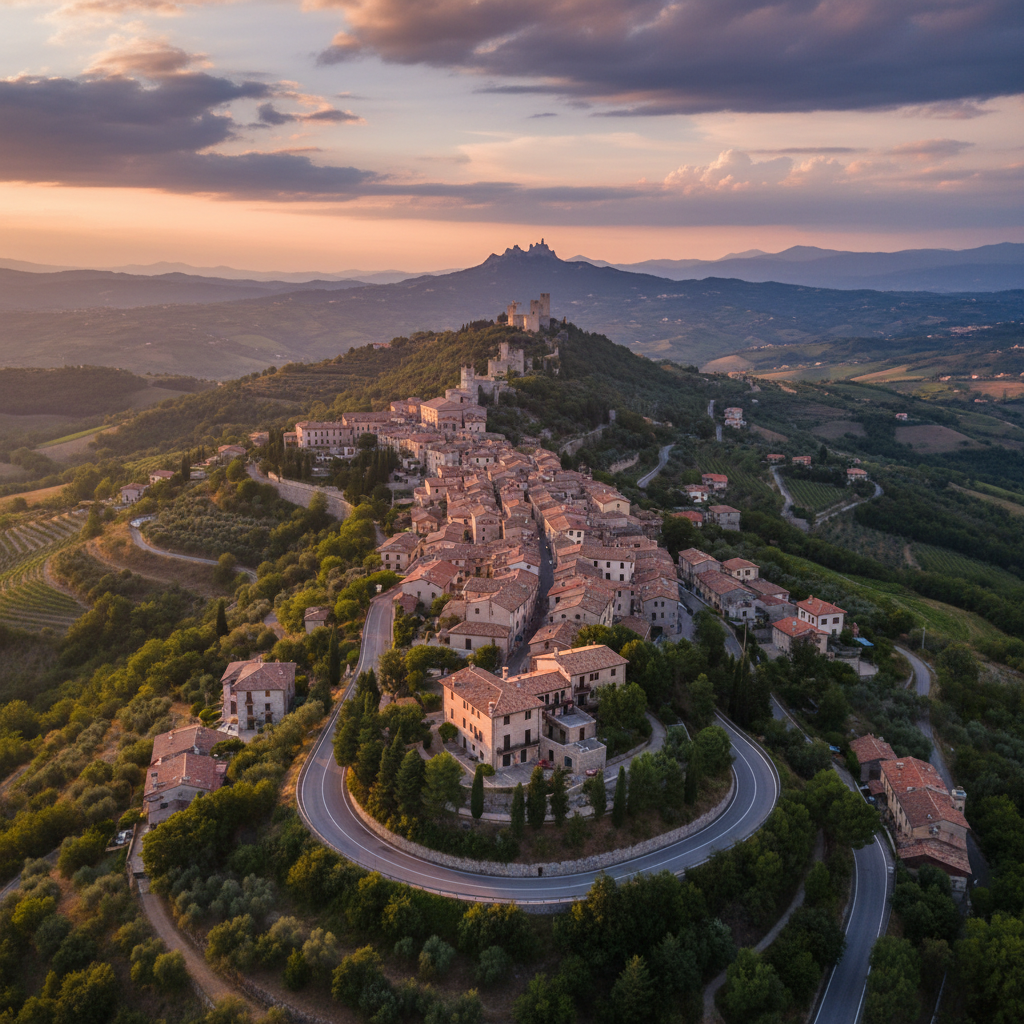
Located on the western edge of the country, Acquaviva is named after a historic natural freshwater spring flowing from the limestone rocks, framed by beautiful pine forests.
Acre
10Israel
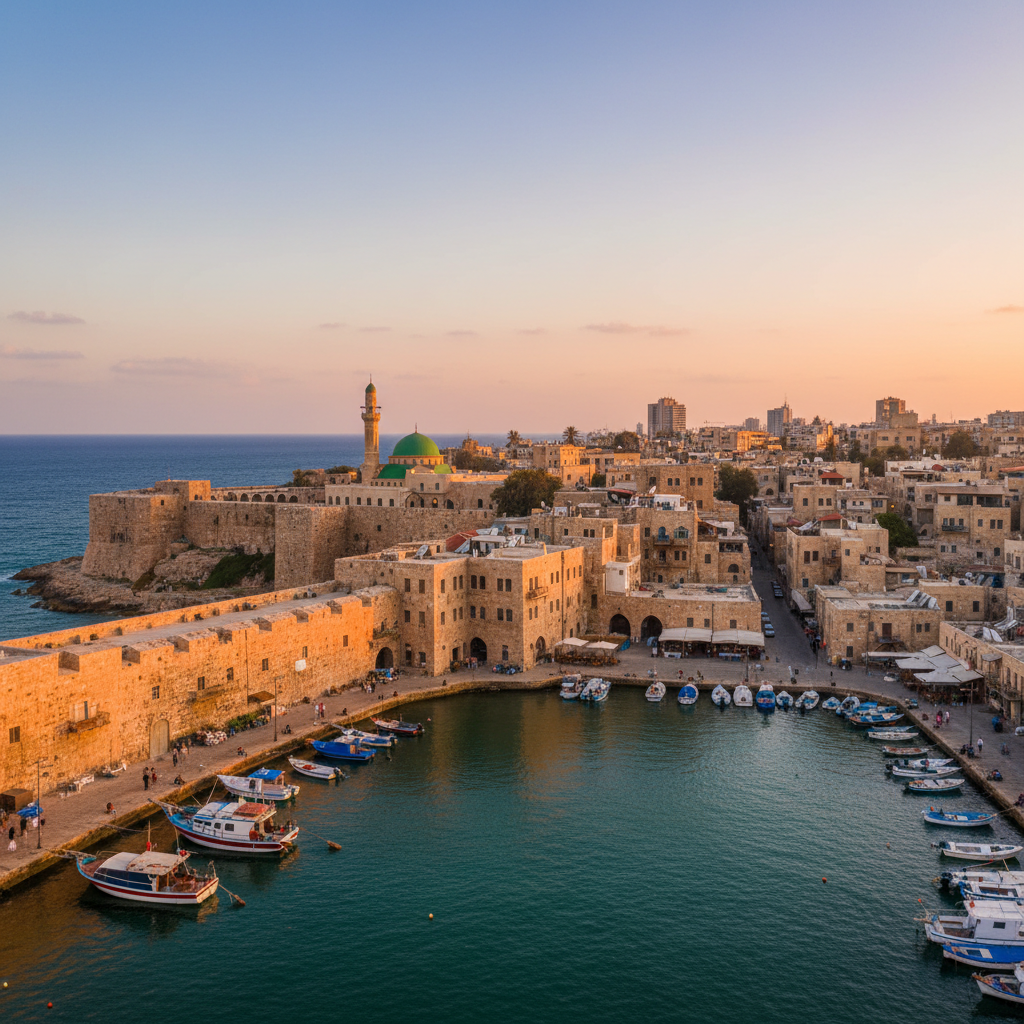
Acre, known as Akko, holds a rich history dating back thousands of years and has been a strategic port city for various civilizations, including the Crusaders and Ottomans. The Old City is recognized as a UNESCO World Heritage Site, reflecting its layered history, particularly during the Crusader period. Notable historical sites include the well-preserved fortress and the Bahai Gardens.
Ada Foah
10Ghana
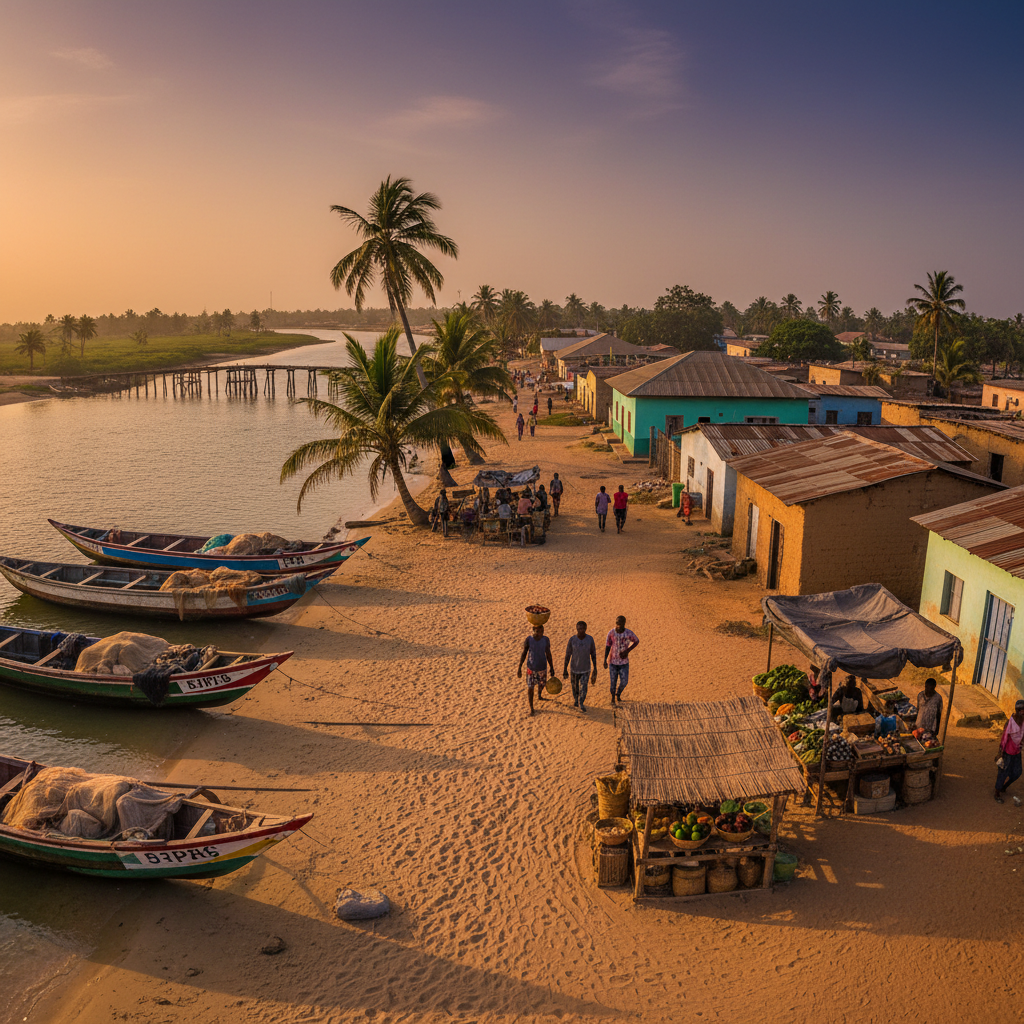
Ada Foah is an important fishing hub located at the confluence of the Volta River and the Gulf of Guinea, historically inhabited by the Ewe people. The area has been significant for trade and fishing for centuries and played a role in the trans-Atlantic trade routes. The town’s history is also linked to local festivals celebrating its culture and heritage.
Adana
12Turkey
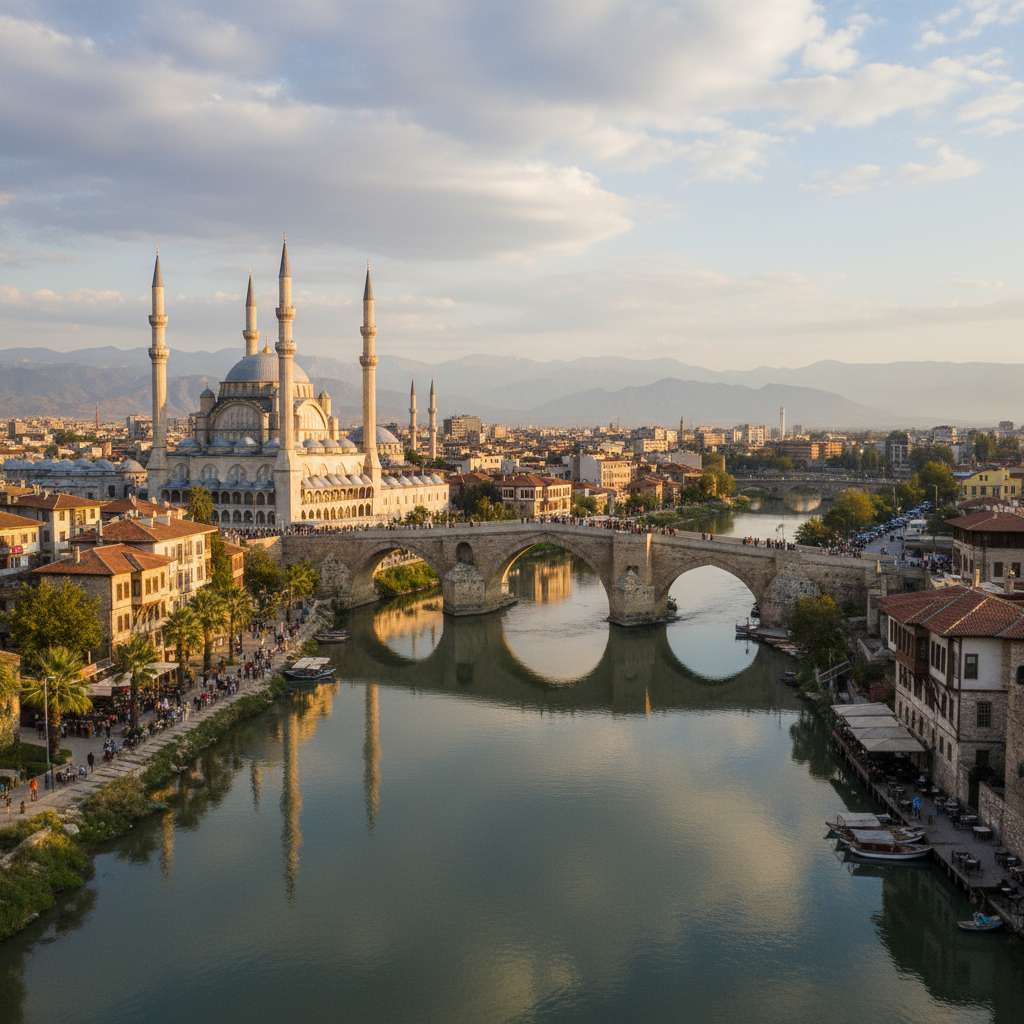
Turkey's fourth-largest city and the capital of the fertile Çukurova Plain, Adana is one of the country's most important agricultural and industrial centres, producing cotton, citrus, and the world-famous Adana kebab — a long, spiced minced lamb kebab cooked over charcoal that is arguably Turkey's most celebrated regional dish. The city's historic Stone Bridge — one of the oldest bridges in the world, built by the Romans — spans the Seyhan River at the heart of the city.
Addis Ababa
13Ethiopia•3.4M
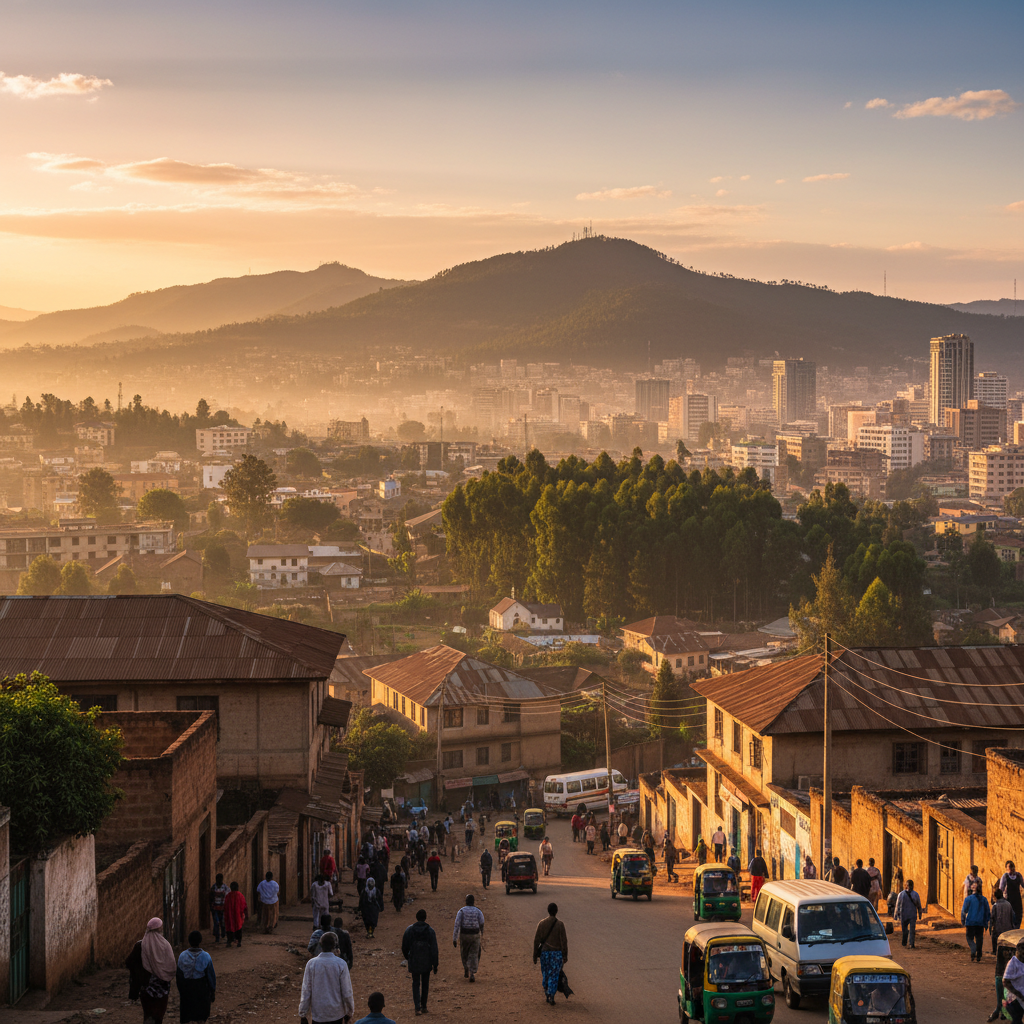
Addis Ababa, founded in 1886 by Emperor Menelik II, is Ethiopia's capital and the diplomatic capital of Africa, hosting the headquarters of the African Union and the UN Economic Commission for Africa. It sits at an altitude of over 2,300 metres on the Entoto foothills, giving it a mild climate unusual for a tropical city. The city grew from the imperial camp of Menelik and his empress Taytu into a modern metropolis of more than three million, and it was the centre of the resistance to the Italian occupation. Today it is a bustling hub of Ethiopian culture, commerce, and politics, and the gateway for travellers visiting the country's ancient churches and highland landscapes.
Addu City
3Maldives•18K
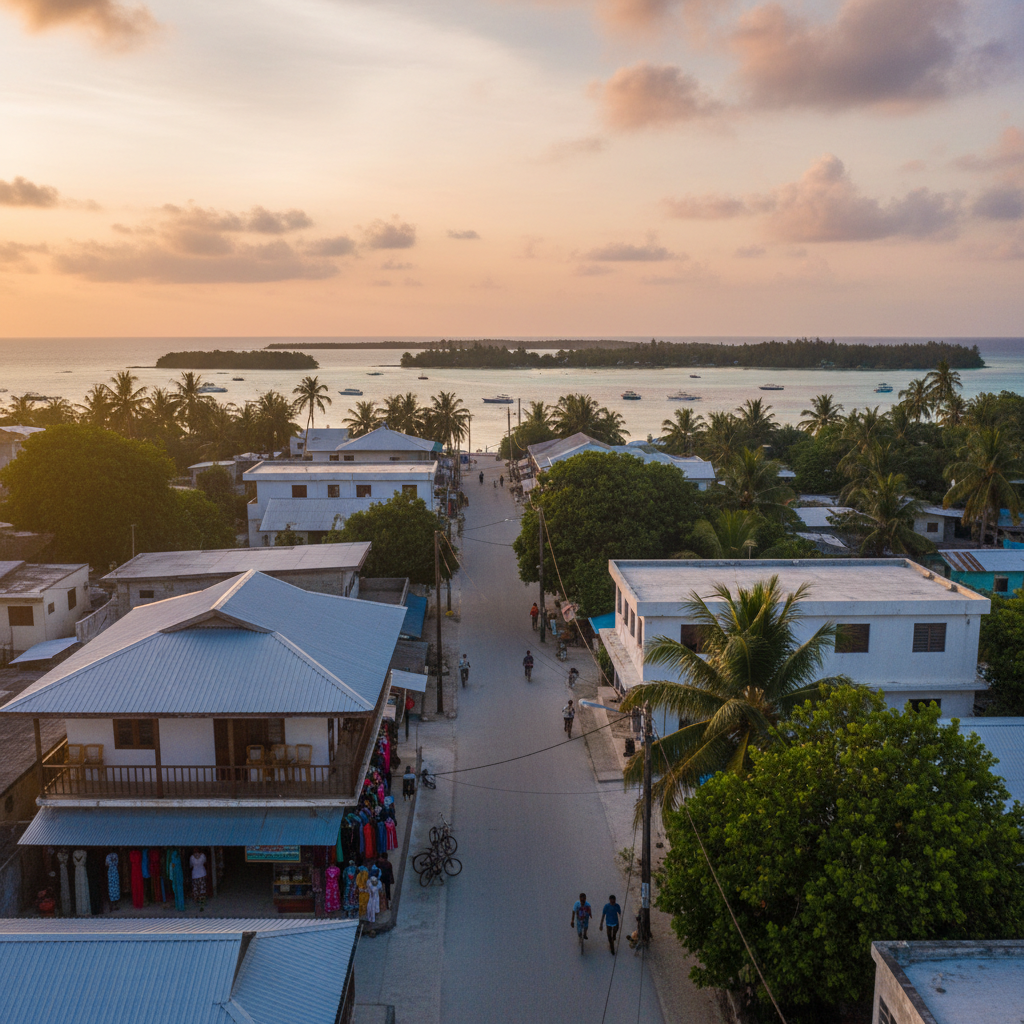
Addu City is the second-largest city of the Maldives, at the southern tip of the archipelago, and the only city in the country outside the capital region. The city grew as a British naval and air base, with the RAF base at Gan, and it was the site of the British military presence in the Maldives until the 1970s. The city is known for its lagoons, its WWII historical sites, and the nearby beaches and diving sites of the southern atolls, and it has developed as a tourist destination in recent years. Today Addu City is the second city of the Maldives, a former military base turned tourist destination.
Adelaide
8Australia•1.4M
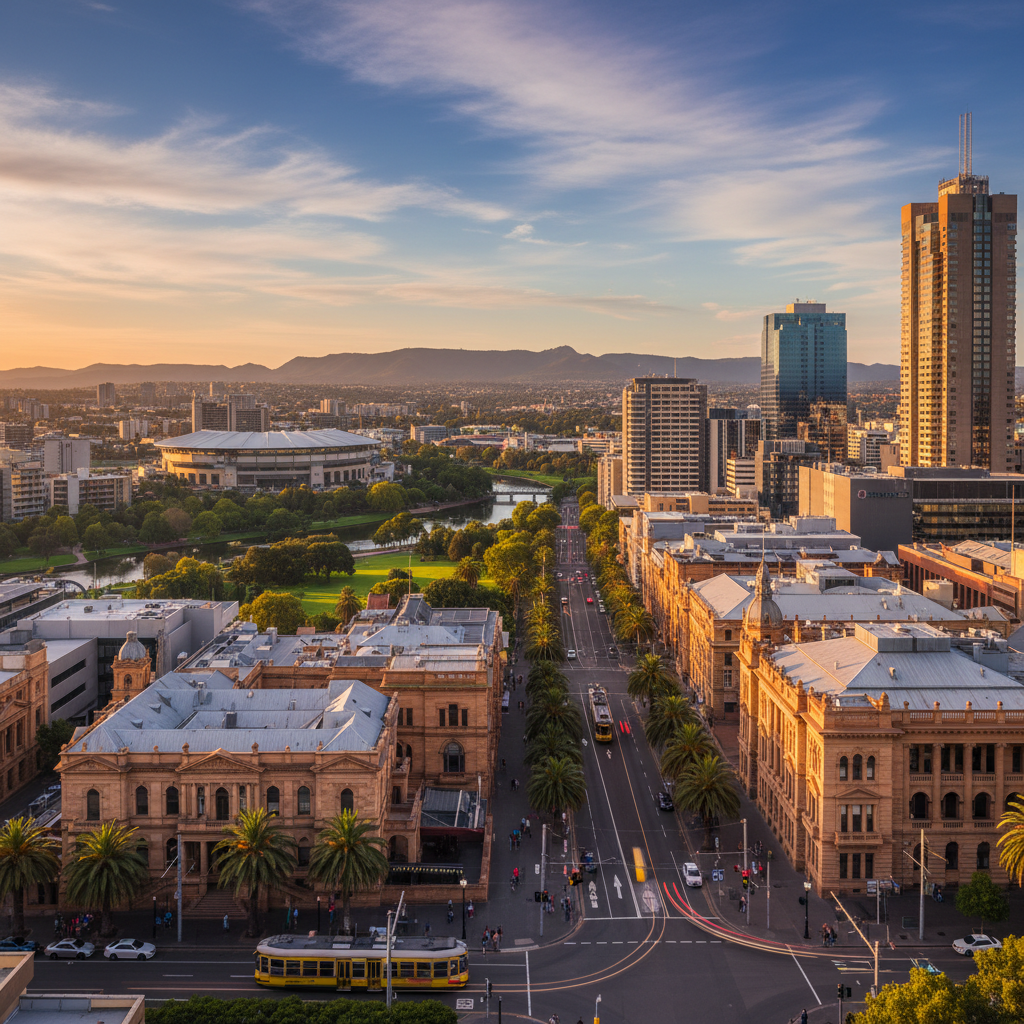
Adelaide is the elegant, planned capital of South Australia — Australia's only colony founded by free settlers rather than convicts, which still influences its independent, arts-forward culture. The city was designed in 1836 by Colonel William Light with a revolutionary grid plan surrounded by parklands — a design still praised globally. Adelaide is the 'Festival City' of Australia, home to the Adelaide Festival, Adelaide Fringe (the world's second-largest fringe festival), WOMADelaide, and the Tour Down Under cycling race. It is the gateway to South Australia's legendary wine regions: the Barossa Valley, Clare Valley, McLaren Vale, and Coonawarra — making it one of the world's great wine capitals.
Aden
9Yemen•900K
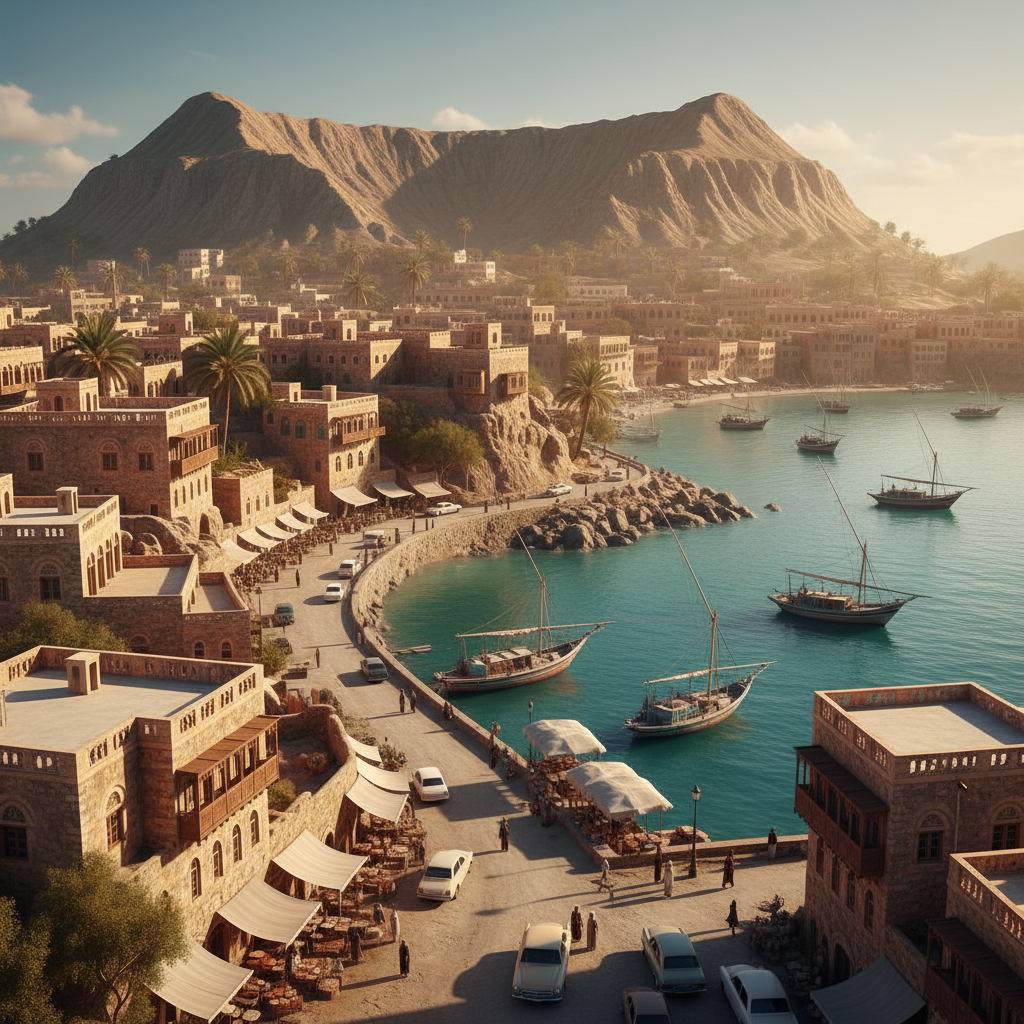
A historic port city perched on an ancient volcanic peninsula, Aden served as a vital British colonial outpost and one of the world's busiest refuelling ports. Its strategic position at the Gulf of Aden gives it dramatic scenery, including the volcanic Crater district, colonial-era buildings, and sweeping ocean views.
Adi Keyh
5Eritrea
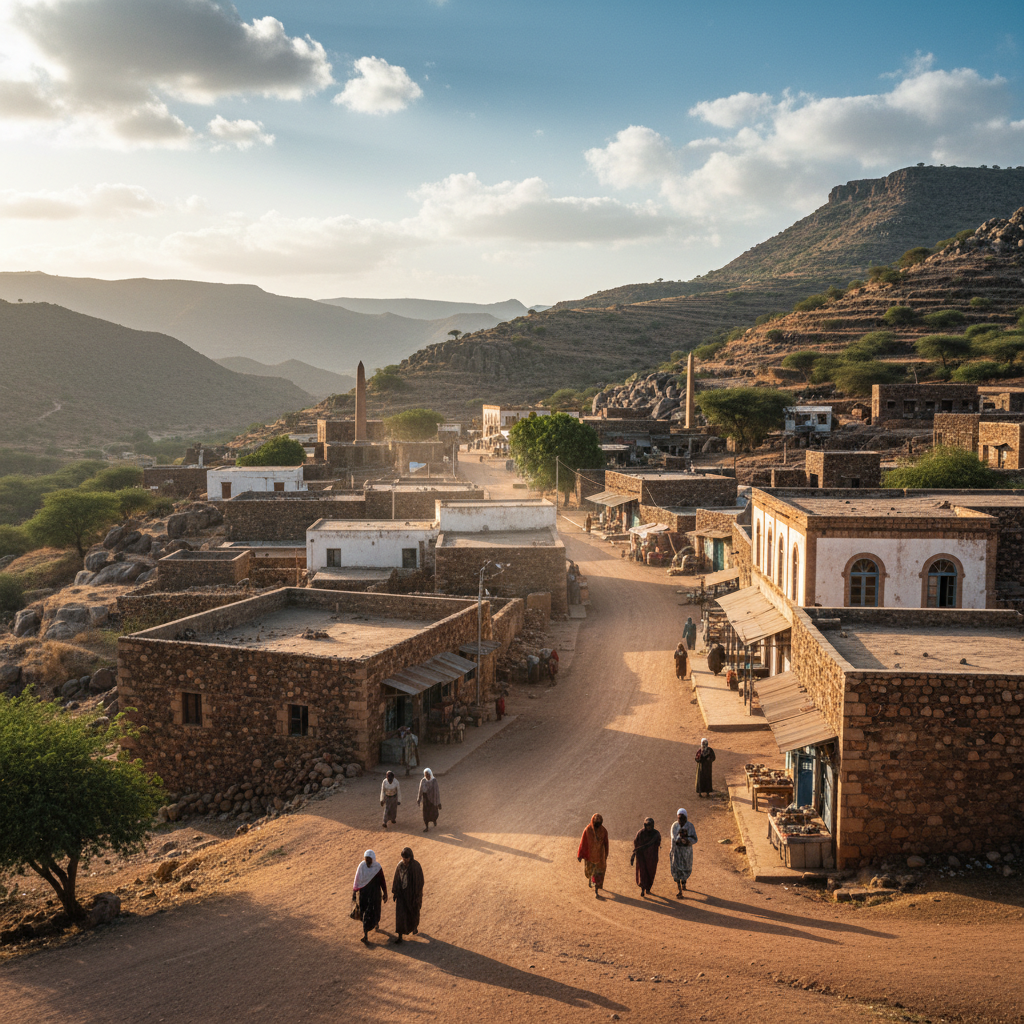
Adi Keyh is a major town in the south of Eritrea, in the highlands, and a high-altitude mountain town of the country. The town grew as a trading and agricultural centre, and it is a high-altitude mountain town, serving as the gateway to the nearby ancient archaeological sites of the region, including the ruins of the ancient city of Qohaito. The town is known for its high-altitude setting, the archaeological sites, and the nearby highlands and the ruins of the region. Today Adi Keyh is a high-altitude mountain town in Eritrea, a centre of the archaeological sites and the highlands of the region.
Agadez
10Niger
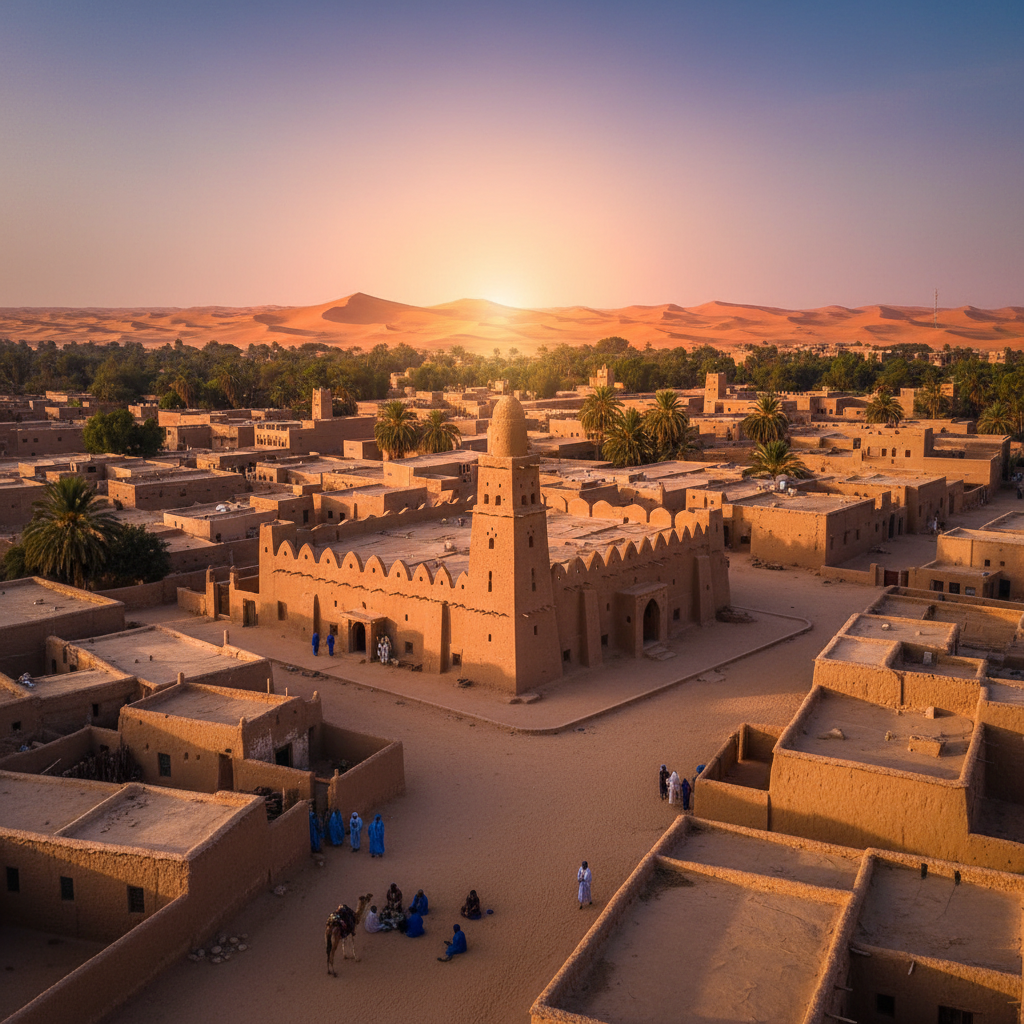
Agadez has a rich history as a trading hub in the trans-Saharan caravan routes, making it a significant city in Niger's trade and culture. The town is known for its distinctive mud-brick architecture and has gained UNESCO World Heritage status, highlighting its historical significance. It has served various empires, including the Tuareg Kingdom and the Songhai Empire.
Agadir
10Morocco
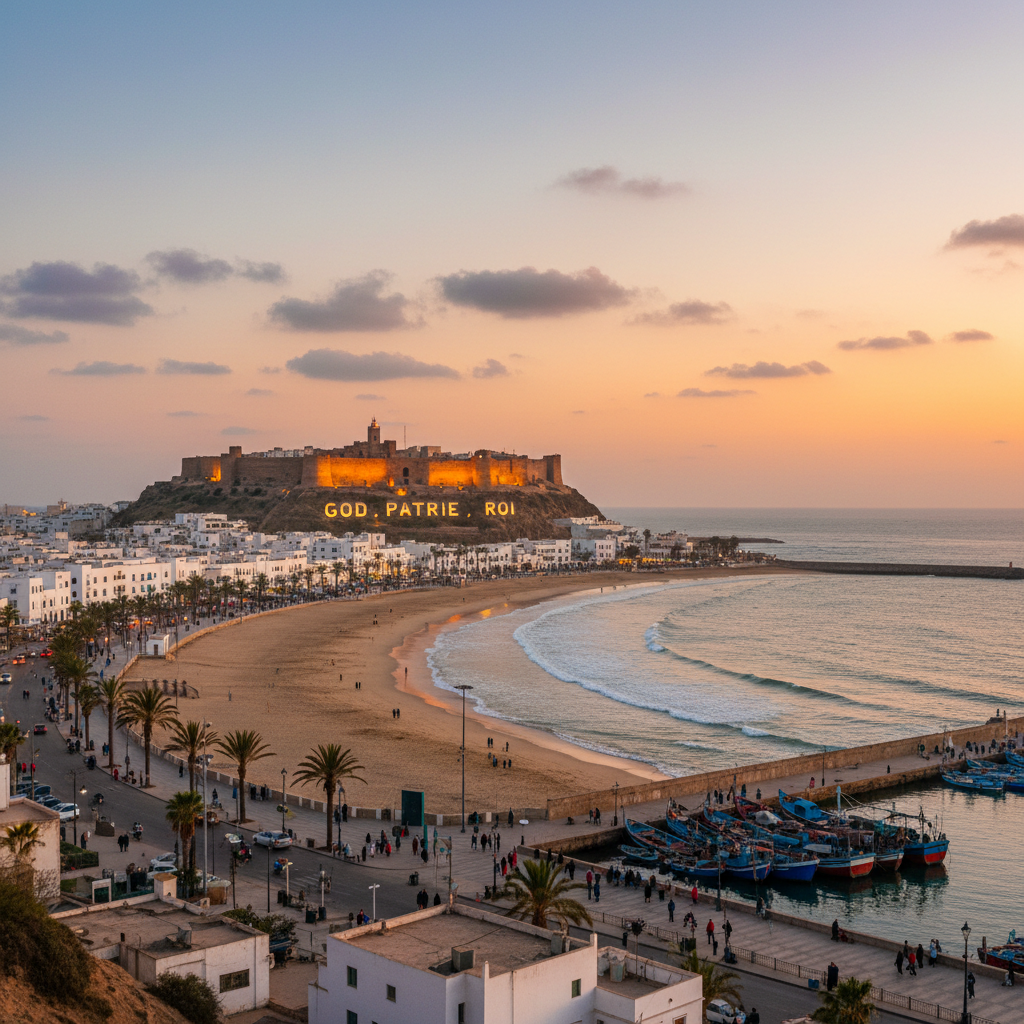
Agadir was largely rebuilt after it was nearly destroyed by an earthquake in 1960, which claimed about 15,000 lives. The city was originally established as a port and fort in the 16th century and is a significant site in Berber history. Today, it serves as a major resort city and an important fishing port on the Atlantic coast.
Agboville
7Côte d'Ivoire•150K
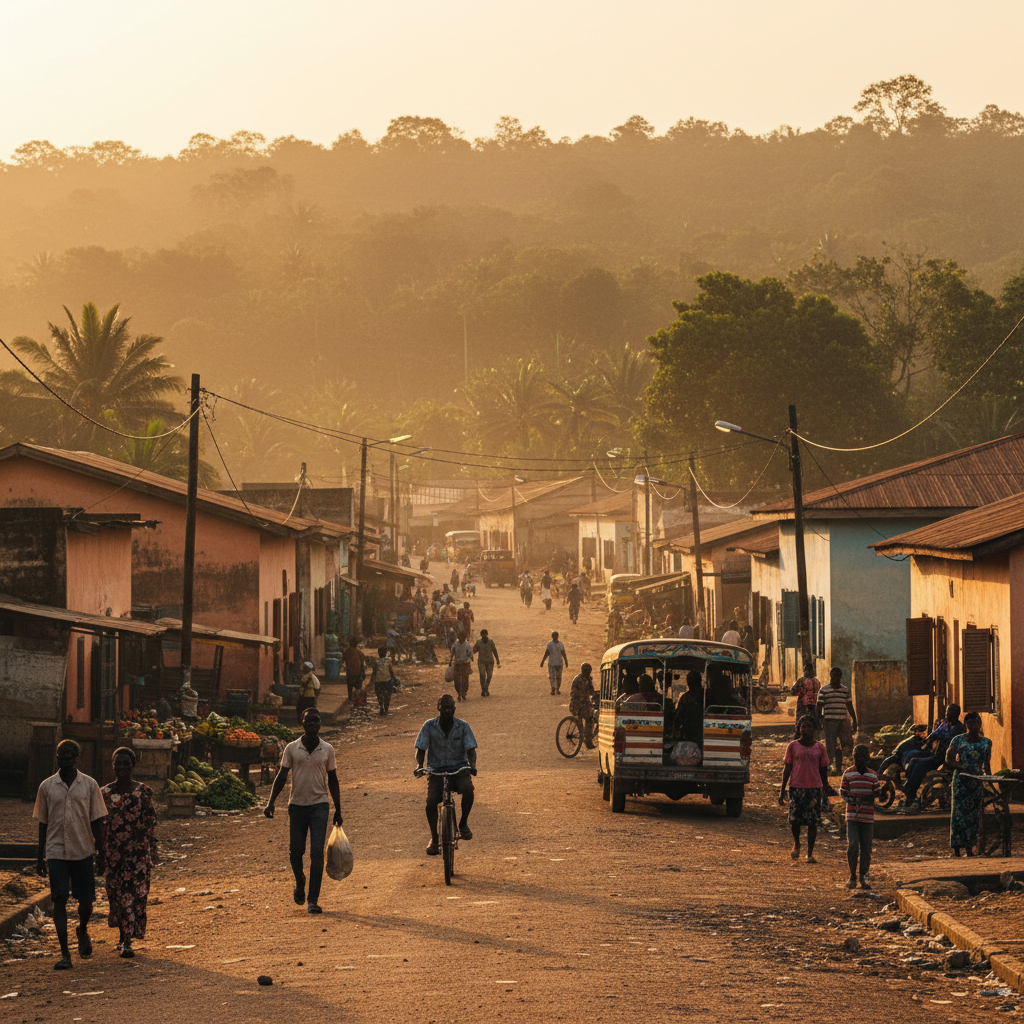
Agboville was founded during the early colonial period and is known for its rich Akan heritage, notably among the Akan-speaking populations. The area was historically significant as a center of intercultural trade between various ethnic groups in Côte d'Ivoire. Following the Ivorian civil conflicts, Agboville has been part of significant national recovery and development efforts.
Agdam
10Azerbaijan•40K
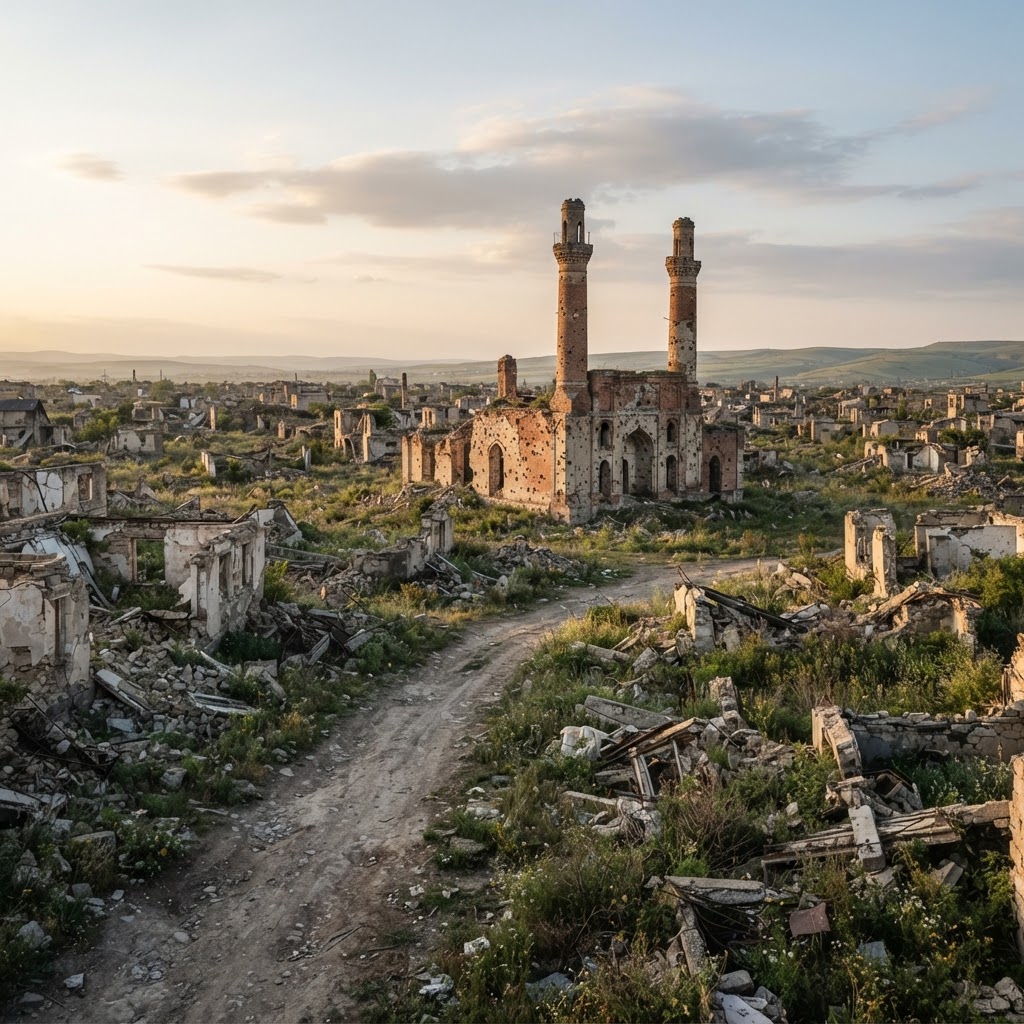
Historically a major city in the region, it suffered immense damage during regional conflicts in the late 20th century. It is currently being rebuilt as a modern sustainable city.
Agjabadi
7Azerbaijan•40K
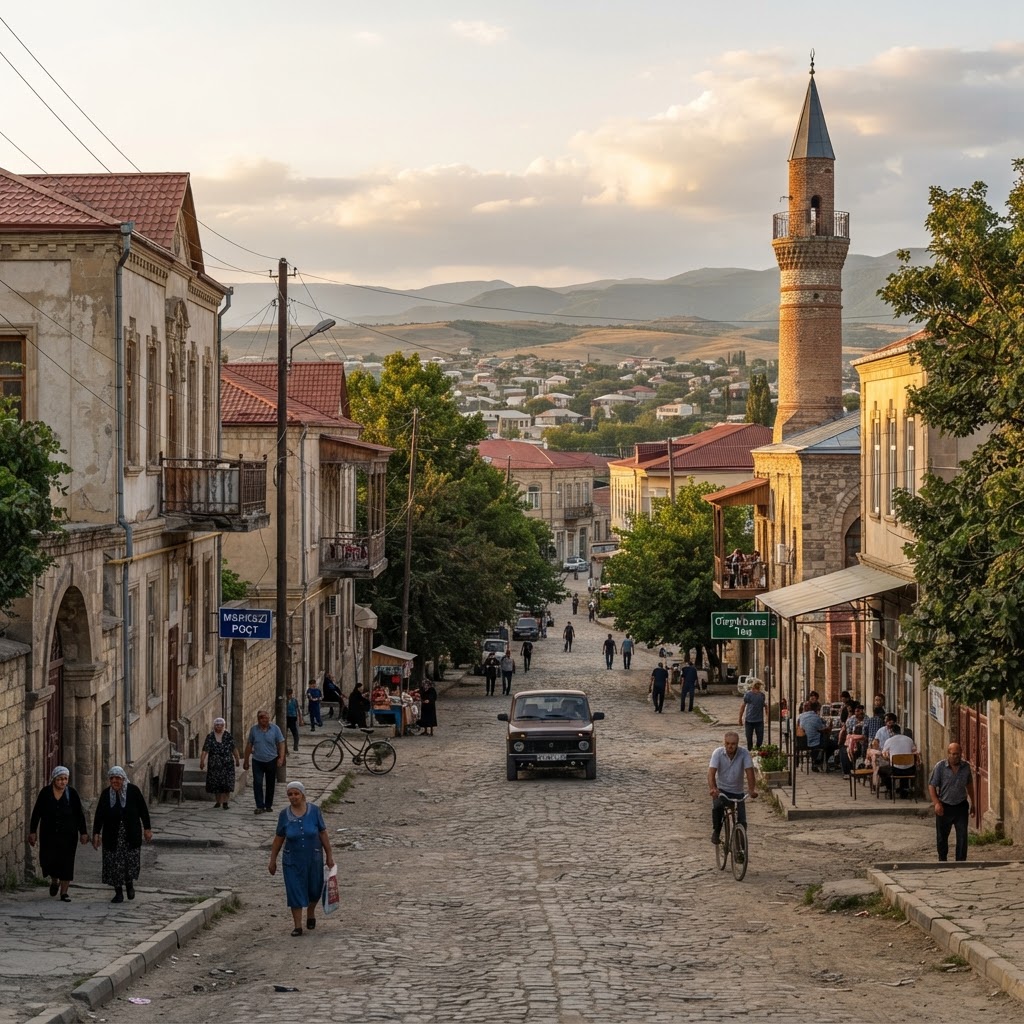
The city has been a vital center for Azerbaijani mugham music. It is recognized as a 'capital of mugham' and has a strong cultural heritage.
Agra
10India•1.8M
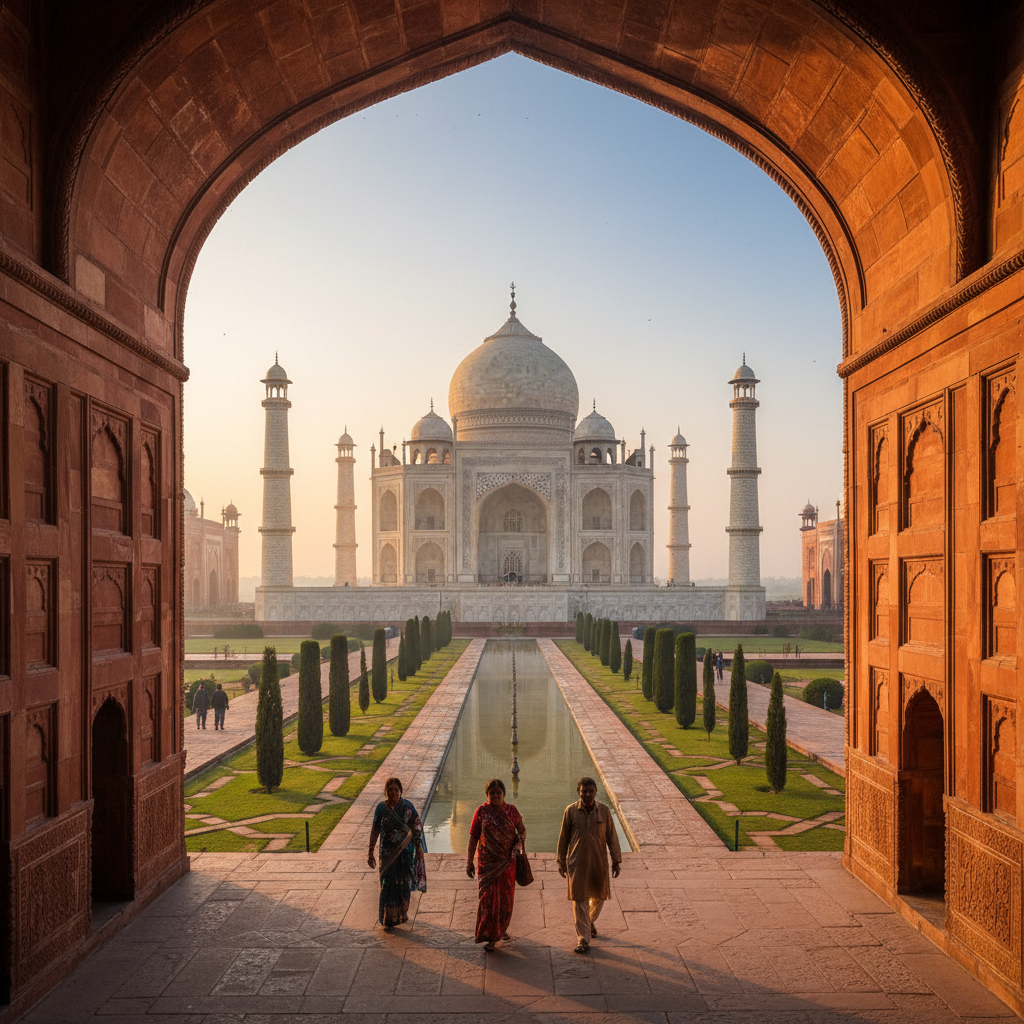
Agra is home to one of the most recognized buildings in human history — the Taj Mahal, universally regarded as the world's greatest monument to love. Built between 1631 and 1653 by Mughal Emperor Shah Jahan as a mausoleum for his beloved wife Mumtaz Mahal, the white marble masterpiece is a UNESCO World Heritage Site and one of the New Seven Wonders of the World. Agra was the capital of the Mughal Empire at its height and the city contains three UNESCO World Heritage Sites in total: the Taj Mahal, Agra Fort, and the abandoned city of Fatehpur Sikri. The city is best visited at sunrise, when the Taj Mahal glows golden in the early light.
Aguadulce
10Panama
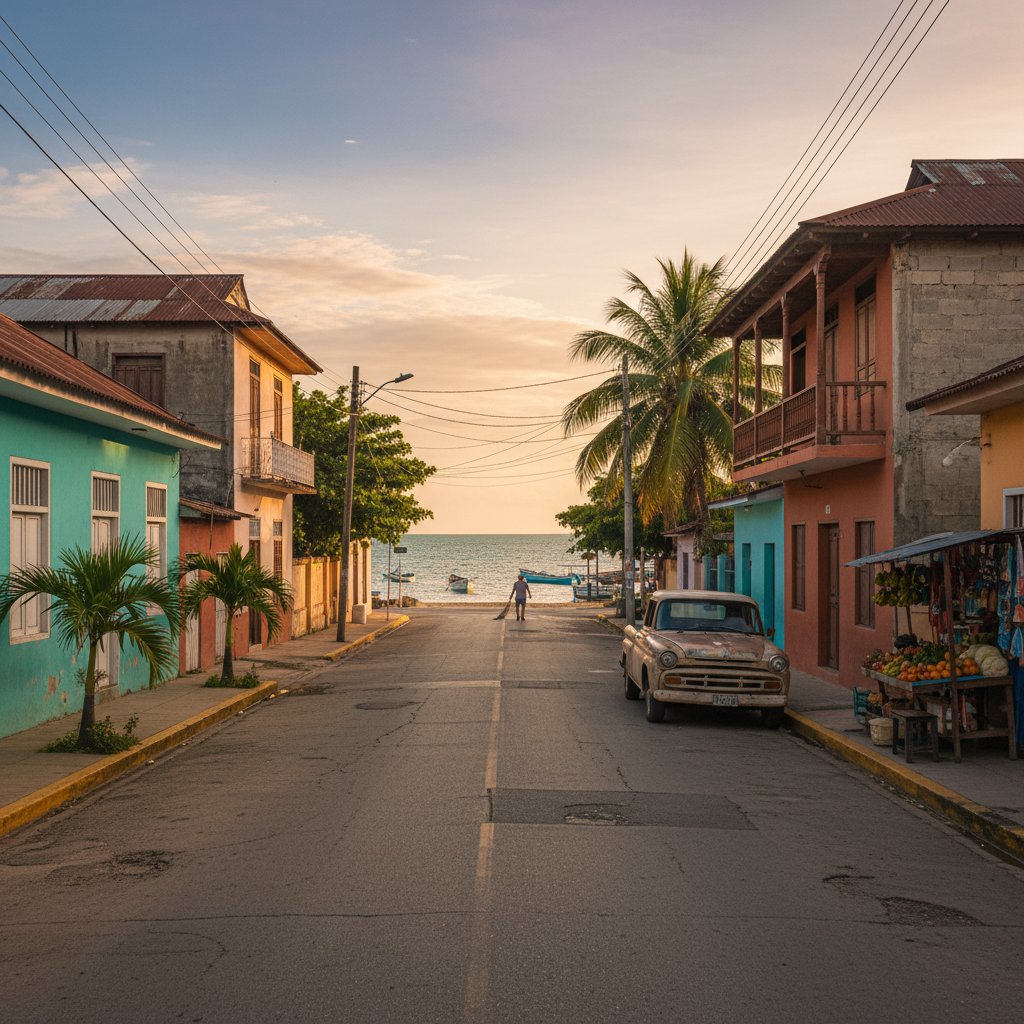
Aguadulce, known for its beautiful beaches, has a rich cultural history dating back to its indigenous populations, particularly the Coclé tribe. The town developed significantly in the late 19th century with the growth of the banana and sugarcane industries, which attracted workers from diverse backgrounds. Today, it retains a mix of indigenous and Spanish influences evident in its festivals and cuisine.
Ahmedabad
4India•8.1M
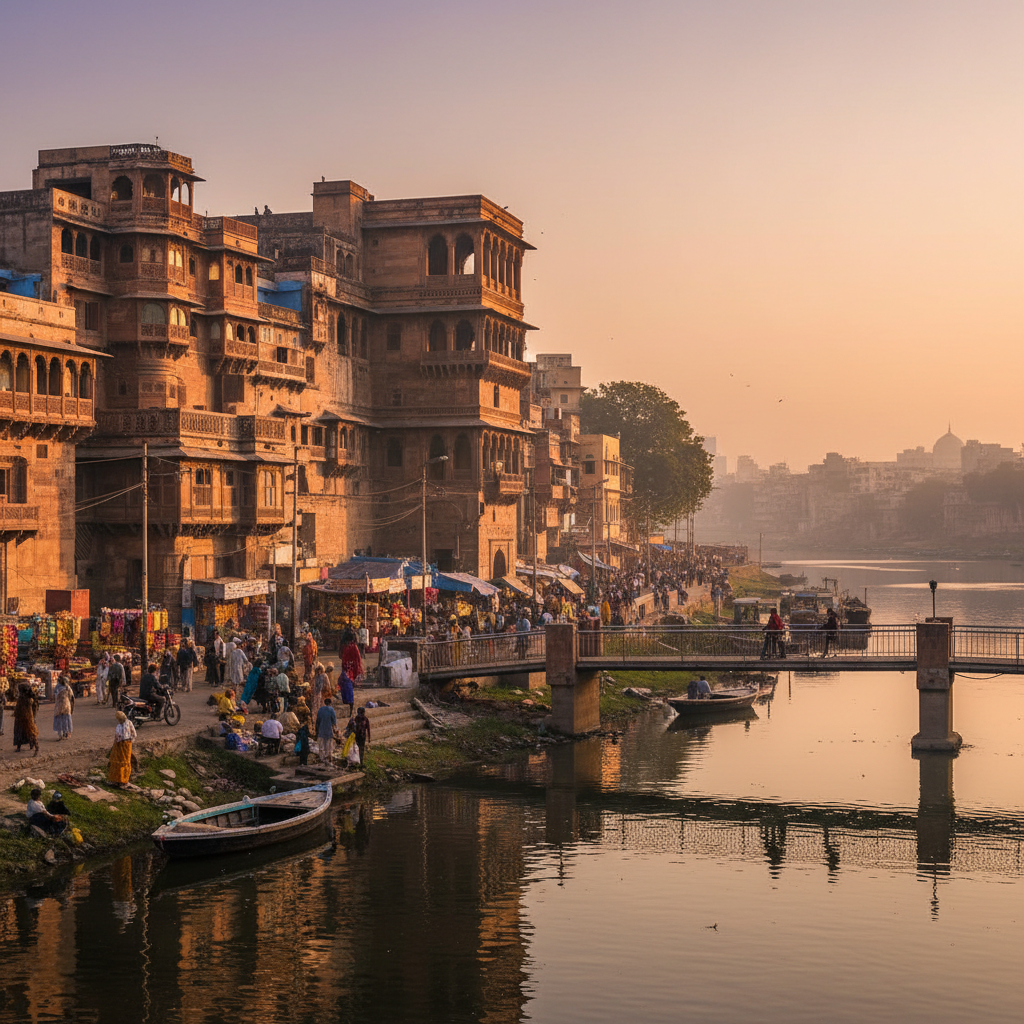
Ahmedabad was founded in 1411 by Sultan Ahmed Shah and is the largest city in Gujarat. It served as the base of Mahatma Gandhi's independence movement — his Sabarmati Ashram is one of India's most visited heritage sites. The city became India's first UNESCO World Heritage City in 2017, recognizing its extraordinary collection of Indo-Islamic and Hindu architecture, its pol (old neighbourhood) system, and its role as the center of India's textile trade.
Ahvaz
10Iran
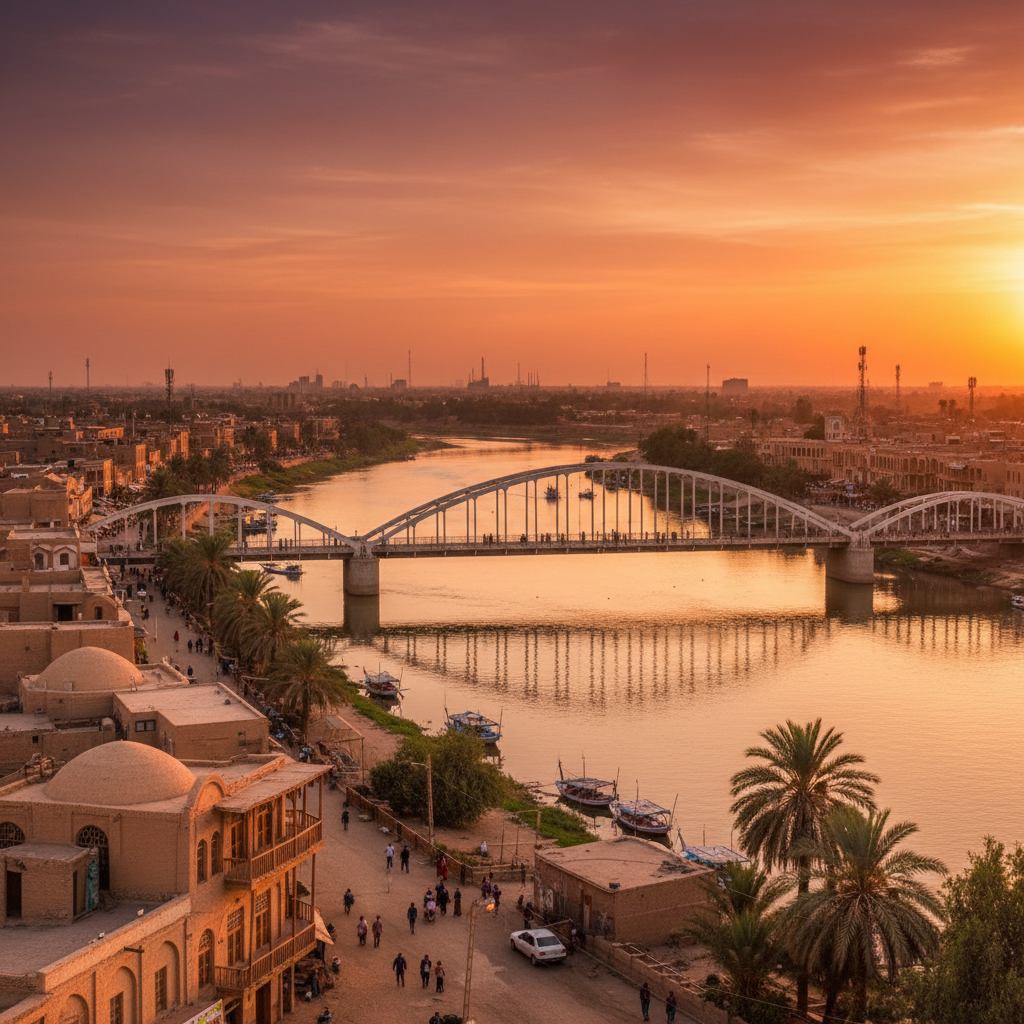
Ahvaz, founded over 2,500 years ago, served as a key city in the Persian Empire due to its strategic location along the Karun River. The city was significantly impacted by the Iran-Iraq War in the 1980s, which shaped its resilience and spirit. Today, it is known for its diverse ethnic communities, including Arabs, Persians, and Bakhtiaris.
Ailinglaplap
5Marshall Islands•2K
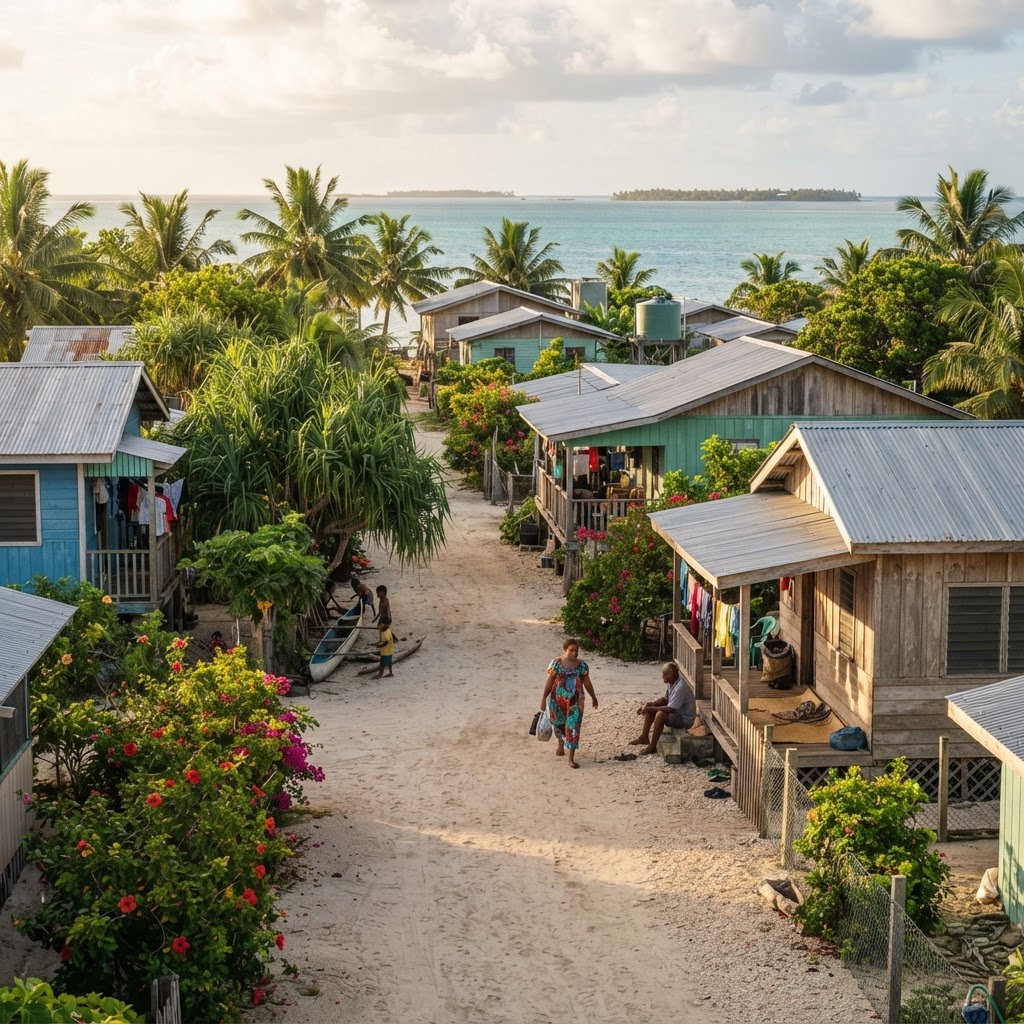
Ailinglaplap Atoll has long served as a center of Marshallese culture and traditional maritime navigation. Its strategic position within the Ralik Chain fostered early trade interactions, shaping the local social structure and governance patterns over centuries. While historically isolated, the atoll became a site of significant administrative transitions during the era of foreign colonial presence in the Pacific. Today, the community remains deeply connected to its ancestral heritage, maintaining traditional customs while adapting to the logistical realities of modern island life in the central Pacific.
Aimeliik
10Palau
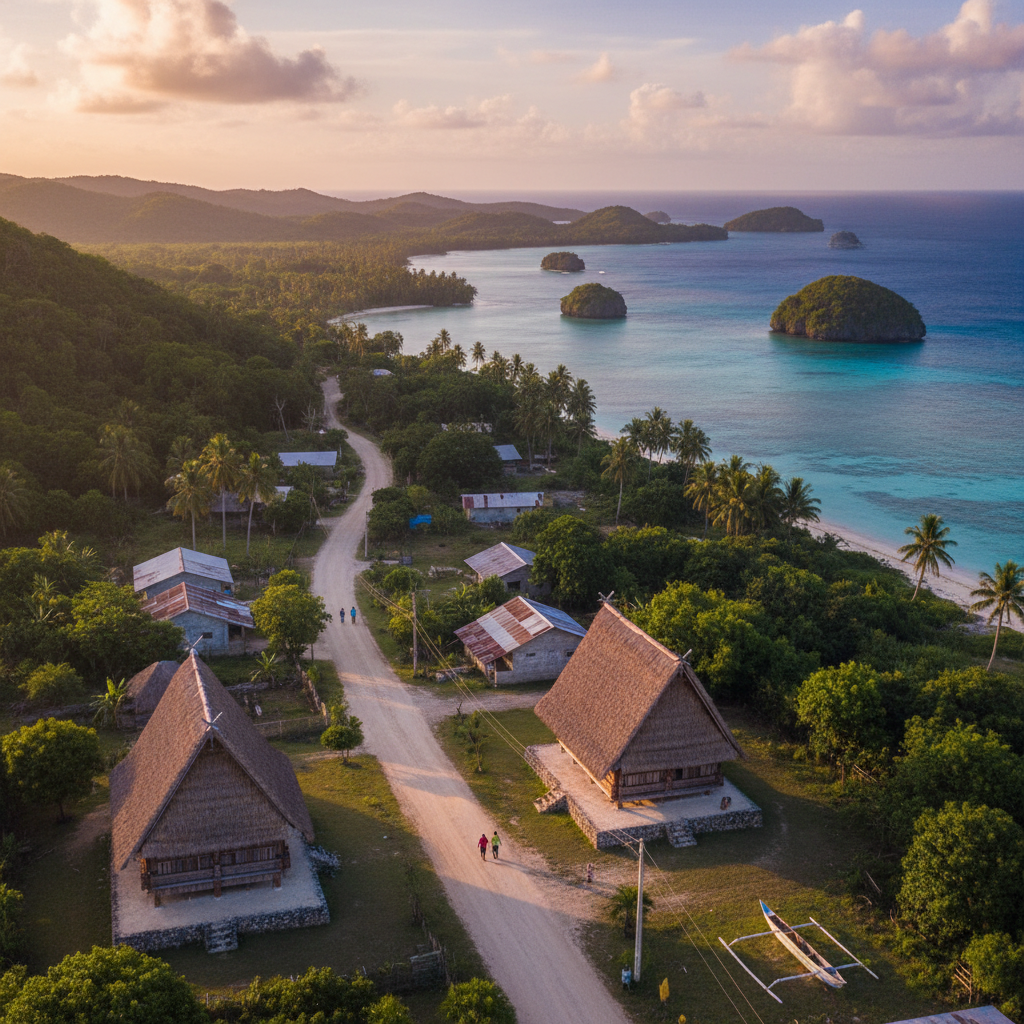
Aimeliik, historically a part of the larger Palauan Kingdom, has deep cultural roots that date back to the migration of Micronesian peoples. The region was also influenced by Japanese occupation during World War II, which has had lingering effects on local architecture and cultural practices. Today, the area is known for its preserved traditional practices and rich biodiversity.
Ainaro
6Timor-Leste (East Timor)
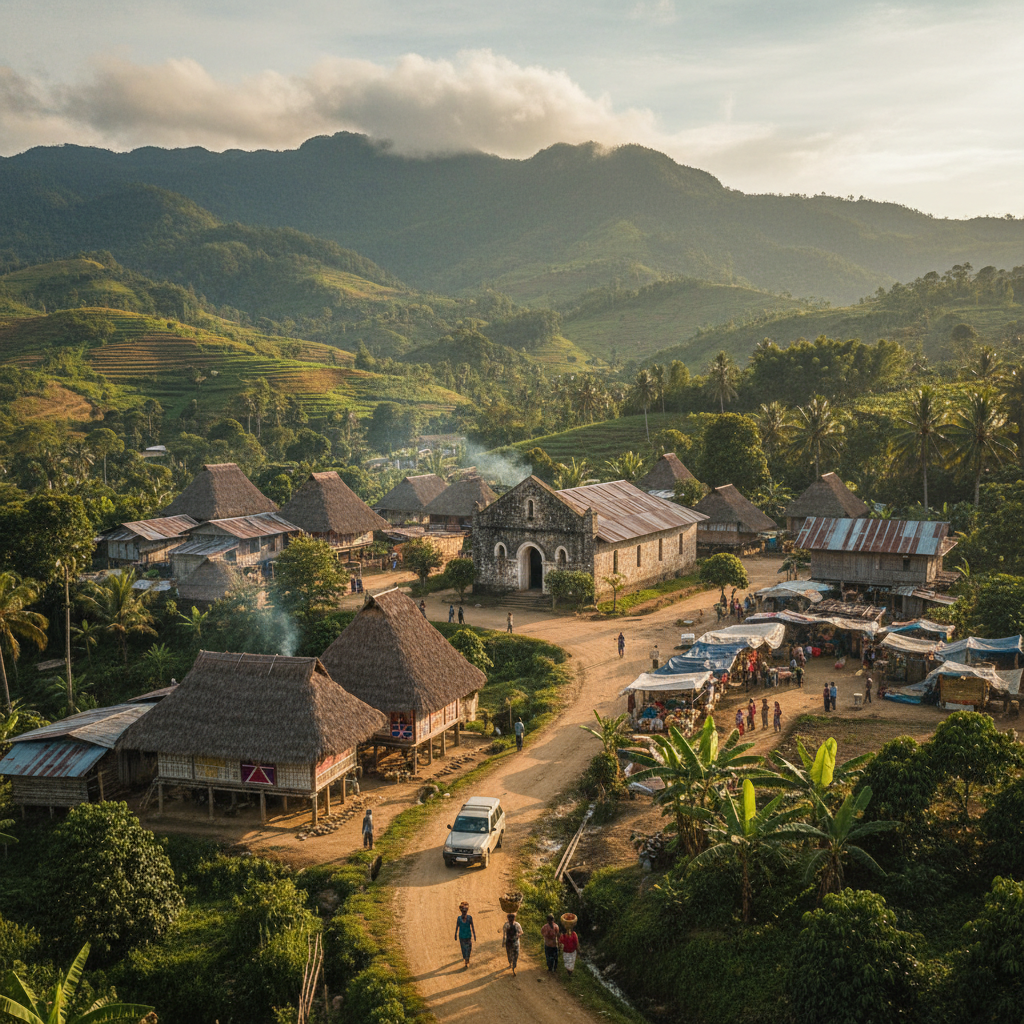
A stunning mountain town situated in the deep interior highlands, Ainaro is surrounded by soaring peaks and serves as the primary base for scaling Mount Ramelau.
Ainaži
5Latvia•700
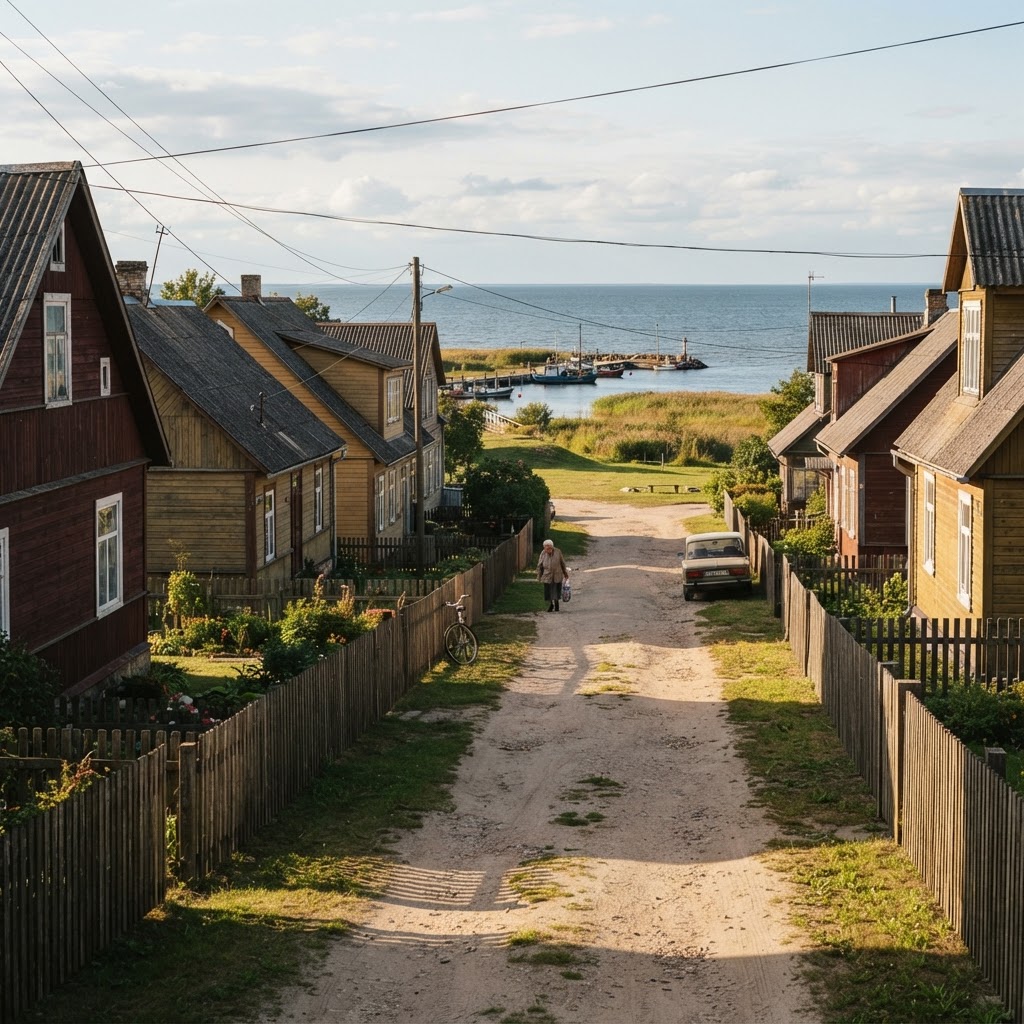
Historic Latvian-Estonian seafaring village on the Gulf of Riga.
Airai
10Palau
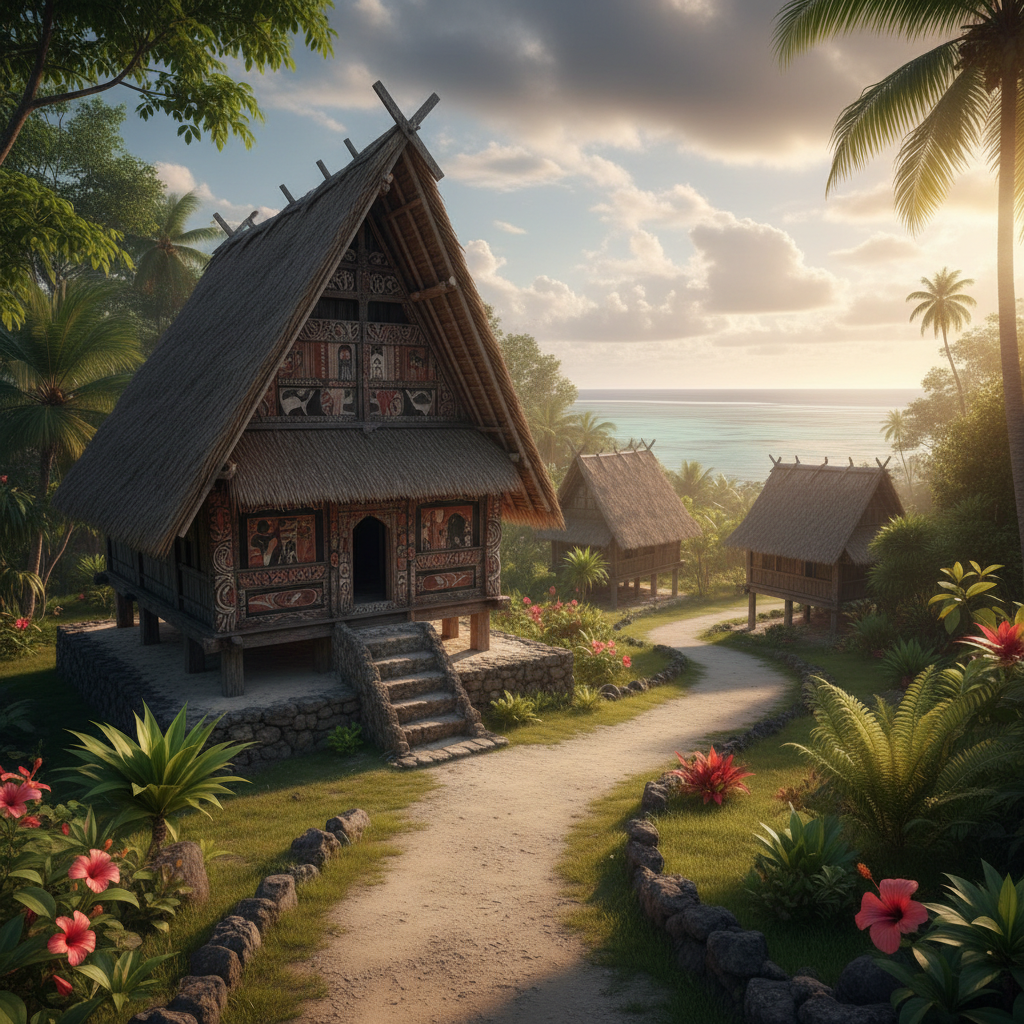
Airai is one of the oldest villages in Palau and was historically significant as a center for the traditional matrilineal society. It features ancient stone paths and ruins, showcasing the unique architecture and culture of the Palauan people. The village played a crucial role during World War II and has remnants of that era, including Japanese bunkers.
Aitutaki
5Cook Islands•2K
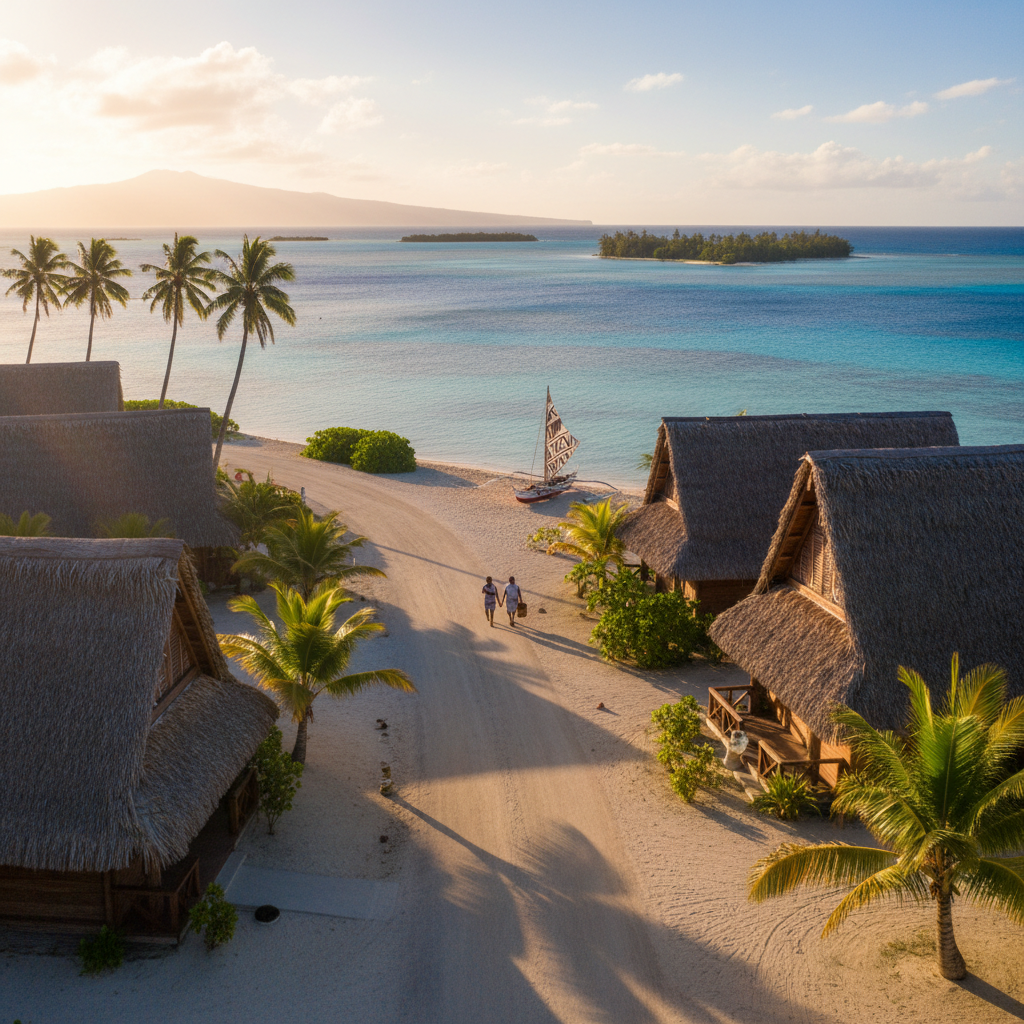
Aitutaki is an island located in the Cook Islands, famous for its turquoise lagoon and the accommodation and restaurant offerings.
Aiwo
4Nauru
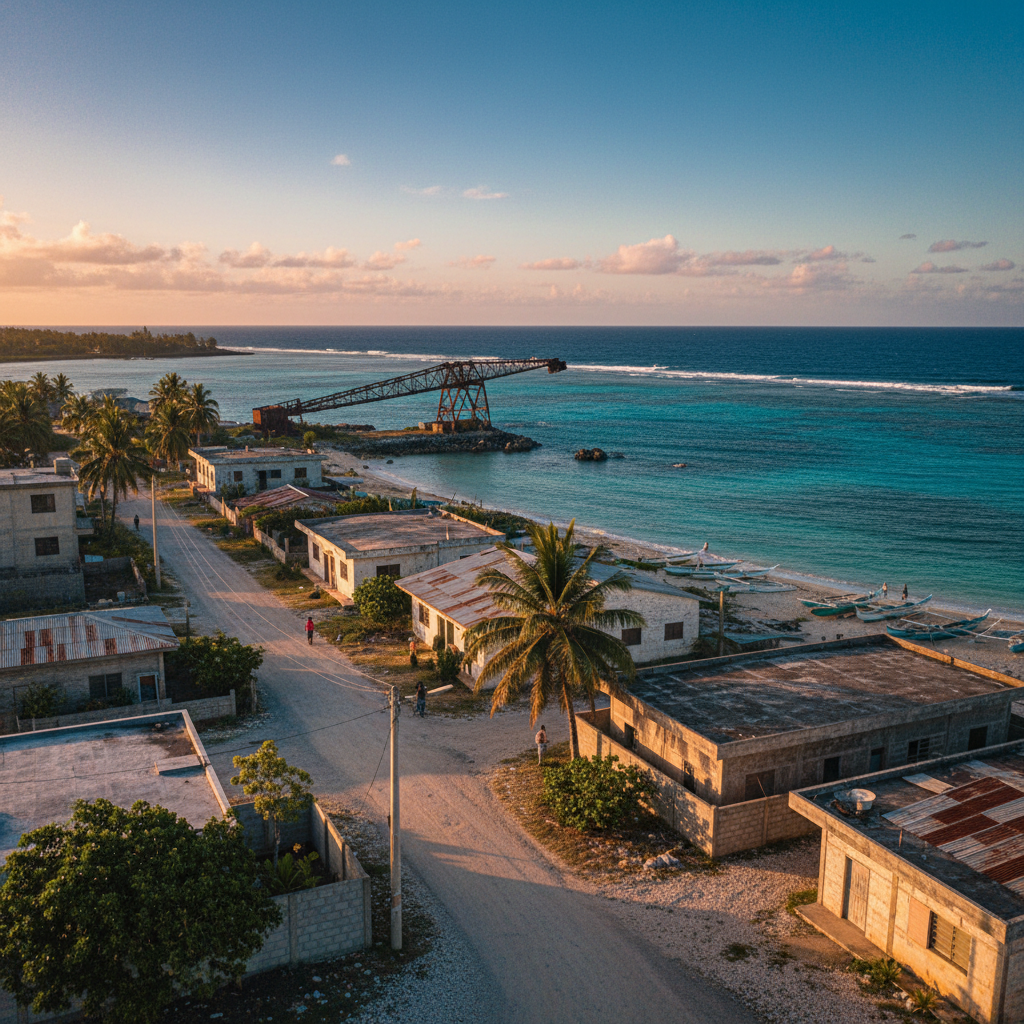
Aiwo is home to the capital of Nauru, Yaren, and has a rich history tied to phosphate mining that significantly shaped the island’s economy since the early 20th century. The area saw Japanese occupation during World War II, leaving historical sites that reflect this tumultuous period. Post-war, the region experienced an influx of wealth from mining, which has declined, impacting local development.
Ajman
8United Arab Emirates•500K
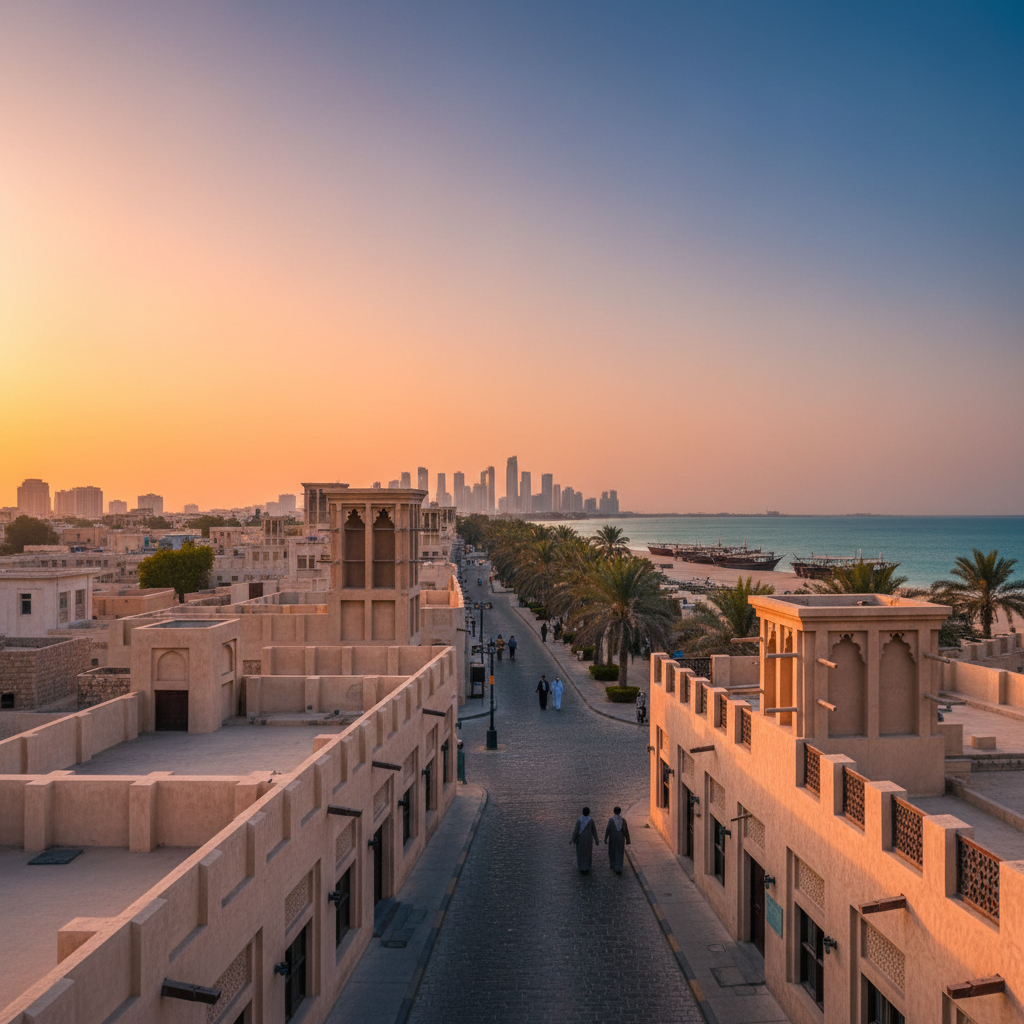
Ajman is the smallest of the seven emirates of the UAE, and its capital city sits on the Arabian Gulf coast just north of Dubai. It was historically a small pearling and fishing town ruled by the Al Nuaimi dynasty, and it joined the United Arab Emirates at its founding in 1971. Unlike its larger neighbours, Ajman retained a slower, more traditional character, and it has grown partly as a residential extension of the Dubai metropolitan area. Today Ajman is known for its old fort, now a national museum, its creek, and a more relaxed pace of life than the larger emirates.
Akhaltsikhe
8Georgia
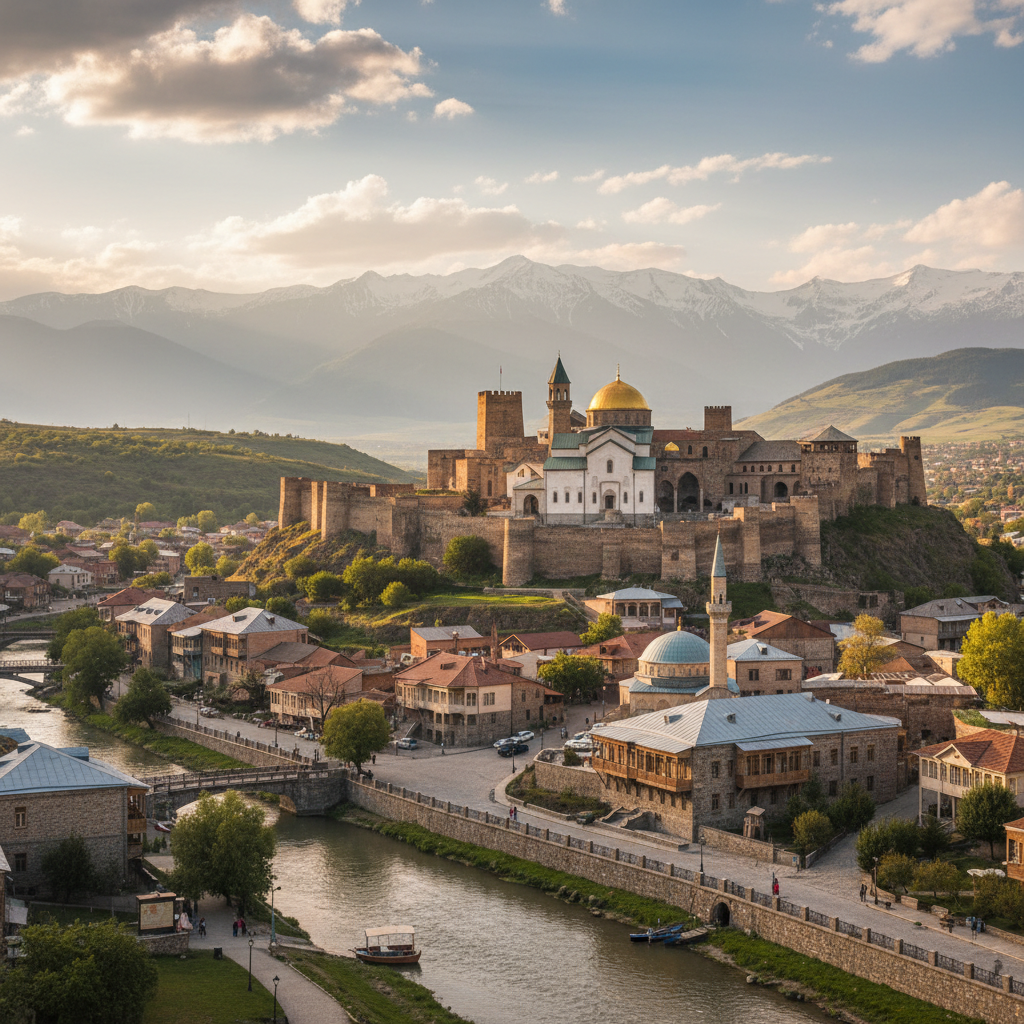
Akhaltsikhe, known for its Rabati Fortress, has a rich history dating back to the 9th century when it served as an important military and administrative center. The fortress has undergone multiple phases of reconstruction and was a critical site during Georgia's medieval period. The city reflects a unique blend of Georgian, Ottoman, and Persian influences in its architecture and culture.
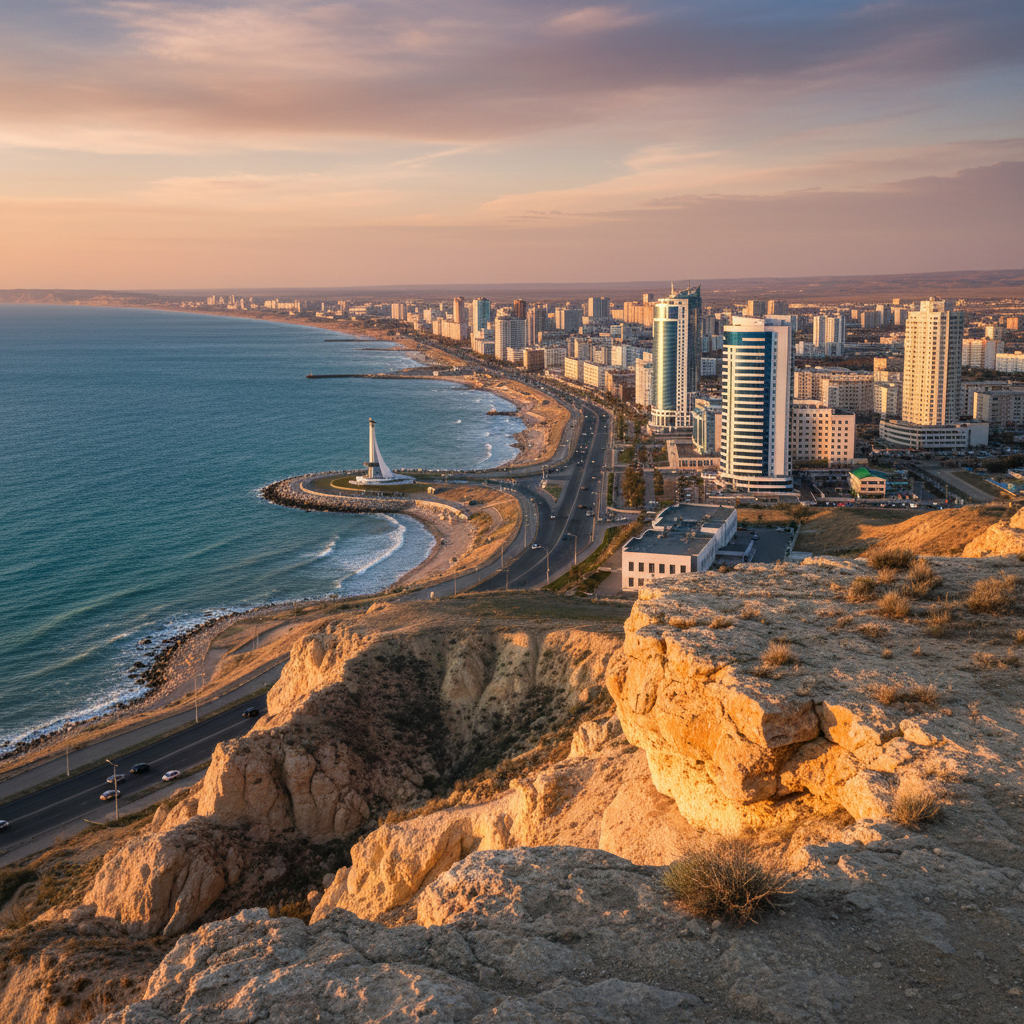
Aktau
10Kazakhstan
Aktau is a major city on the coast of the Caspian Sea in the west of Kazakhstan, the only port city of the country, and the centre of the surrounding oil region. The city was founded in the 1960s as a Soviet port and industrial city, and it grew from a small fishing village into a bustling port city on the Caspian, built on a grid of streets named by numbers. The city is known for its port, its oil industry, and the nearby coast and the desert of the Mangystau region. Today Aktau is the port city of Kazakhstan on the Caspian Sea, a centre of the oil industry of the country.
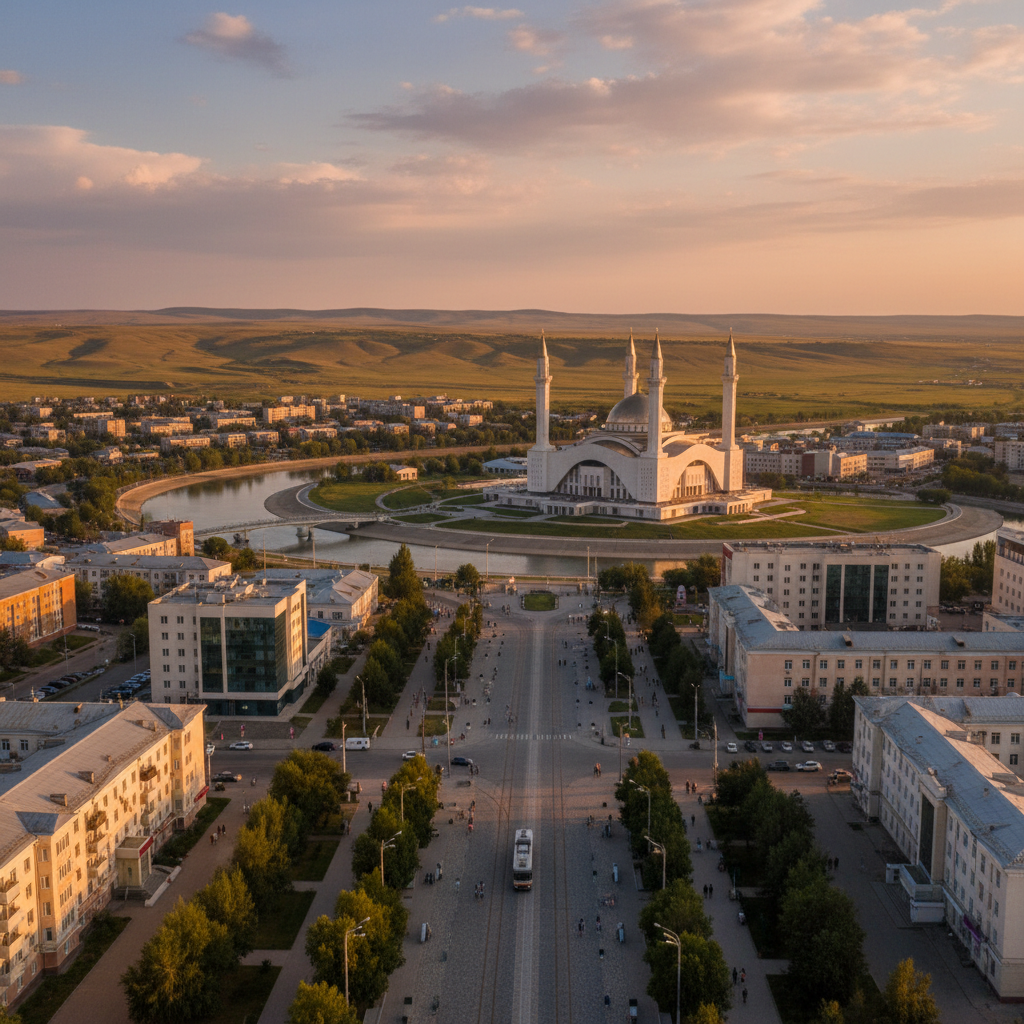
Aktobe
10Kazakhstan
Aktobe is a major city in the northwest of Kazakhstan, on the Ilek River, and the centre of the surrounding oil and mining region. The city was founded in the 19th century as a Russian fort, and it grew as a railway and industrial centre, and then as a centre of the oil and mining industry of the region. The city is known for its oil and mining industry, its cultural institutions, and the nearby steppe and the oil fields of the surrounding region. Today Aktobe is a major city in the northwest of Kazakhstan, a centre of the oil and mining industry of the country.
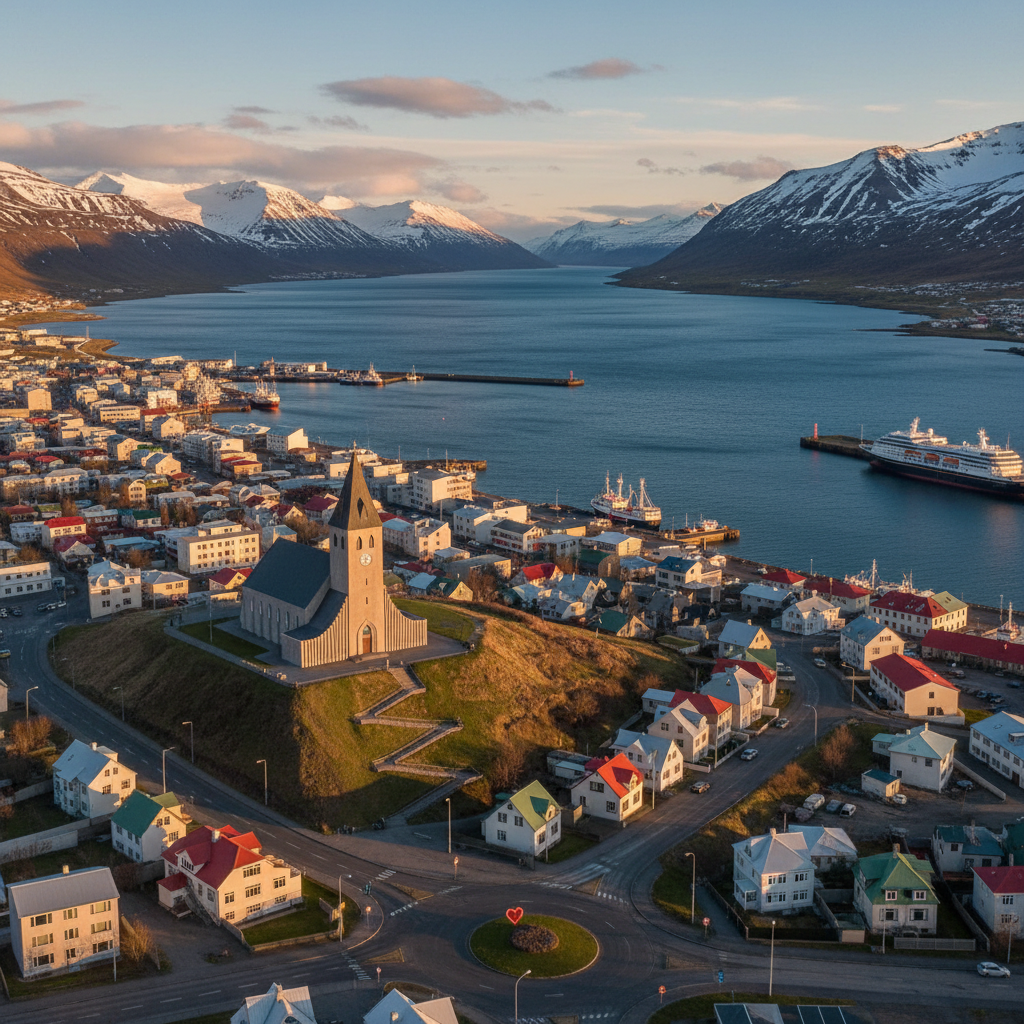
Akureyri
10Iceland
Founded in the 16th century, Akureyri is often referred to as the 'Capital of North Iceland.' It played a significant role during World War II as a strategic location for both Allied and Axis forces. The city has a rich cultural heritage, evident in its museums and historical architecture.
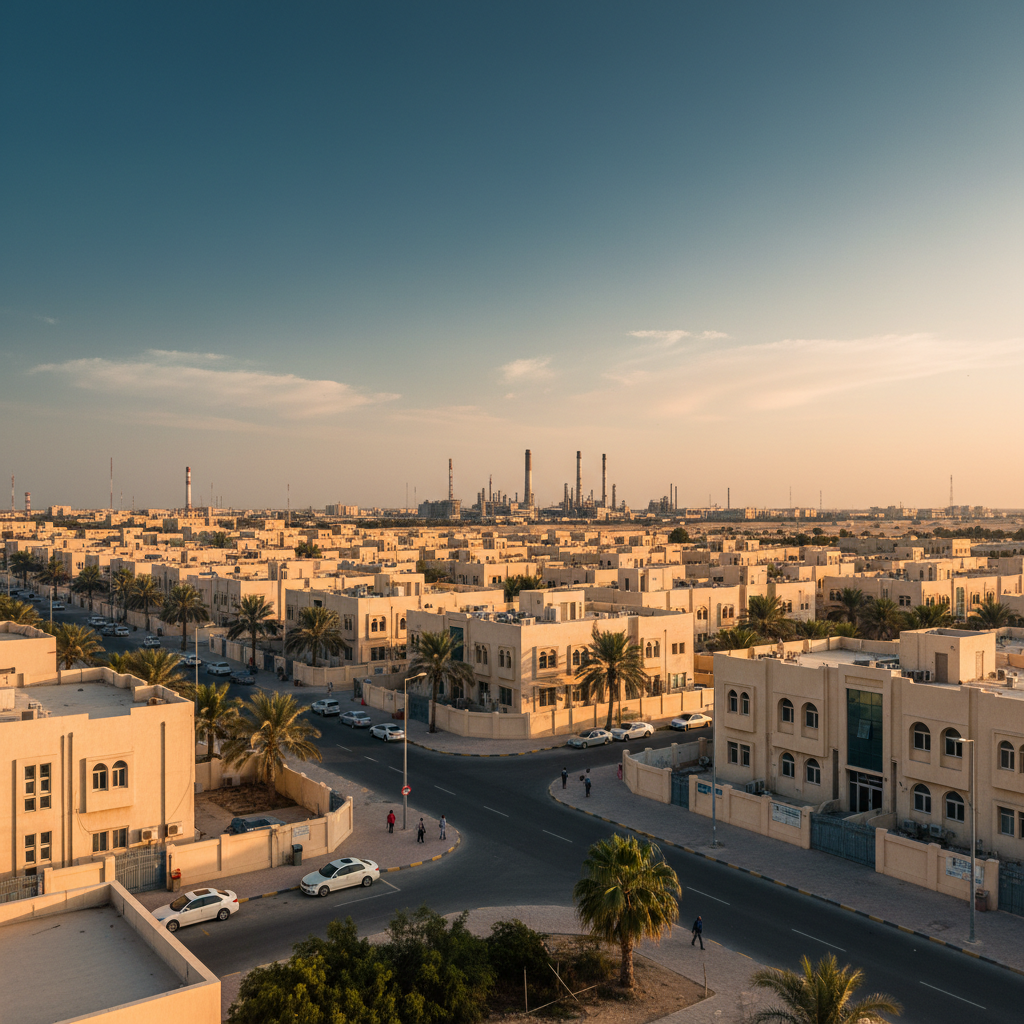
Al Ahmadi
10Kuwait
Al Ahmadi is a major city in the south of Kuwait, in the Ahmadi governorate, and the centre of the oil industry of the country. The city was founded in the early 20th century, after the discovery of oil in the region in 1938, and it grew as the headquarters of the Kuwait Oil Company, the national oil company. The city is known for its oil industry, its history as the headquarters of the Kuwait Oil Company, and the nearby oil fields and the coast of the Persian Gulf. Today Al Ahmadi is the oil city of Kuwait, the centre of the petroleum industry that is the main source of the country's wealth.
Al Ain
7United Arab Emirates•766K
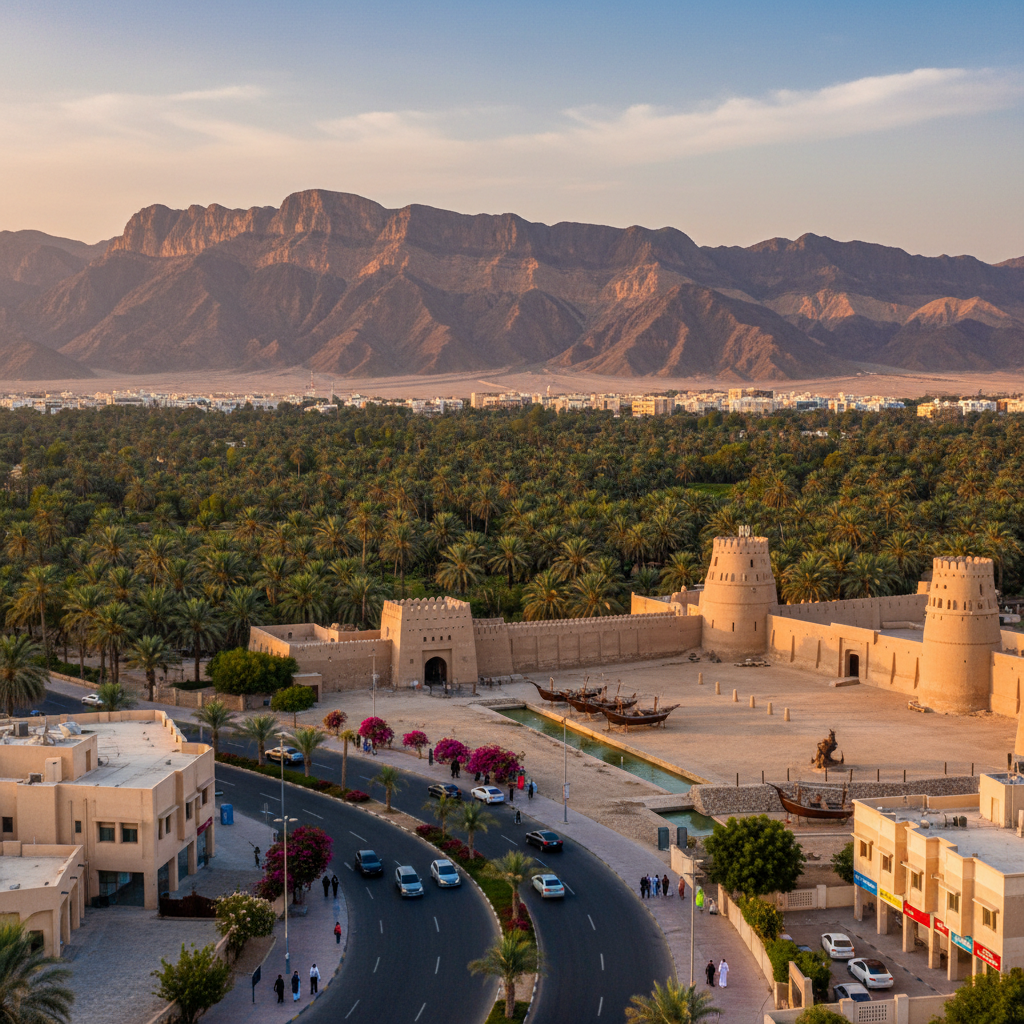
Al Ain is a historic oasis city in the interior of the Emirate of Abu Dhabi, known as 'the Garden City' for its greenery and natural springs. It has been continuously inhabited for over four thousand years, and its falaj irrigation system and the nearby Bronze Age tombs at Hili are a UNESCO World Heritage Site. It was the birthplace of the UAE's founding president, Sheikh Zayed, and remains a centre of Emirati heritage and culture, with a more traditional character than the coastal cities. Today Al Ain is the fourth-largest city in the UAE, a centre of agriculture and education, and a living record of the country's pre-oil past.
Al Khor
5Qatar
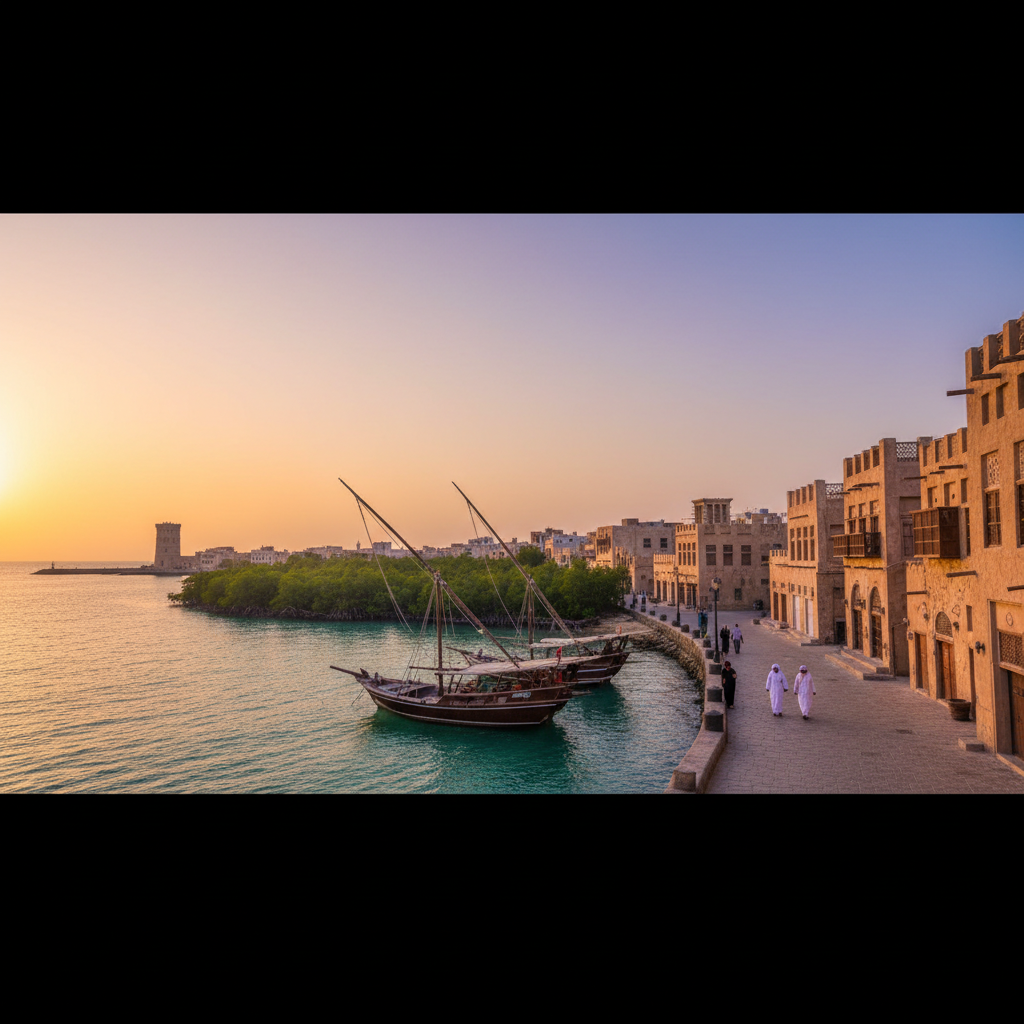
Located on Qatar's northeastern coast, Al Khor is a historic industrial and maritime center known for its rich fishing heritage, nearby mangrove forests, and purple dye archaeological sites.
Al Khums
5Libya•100K
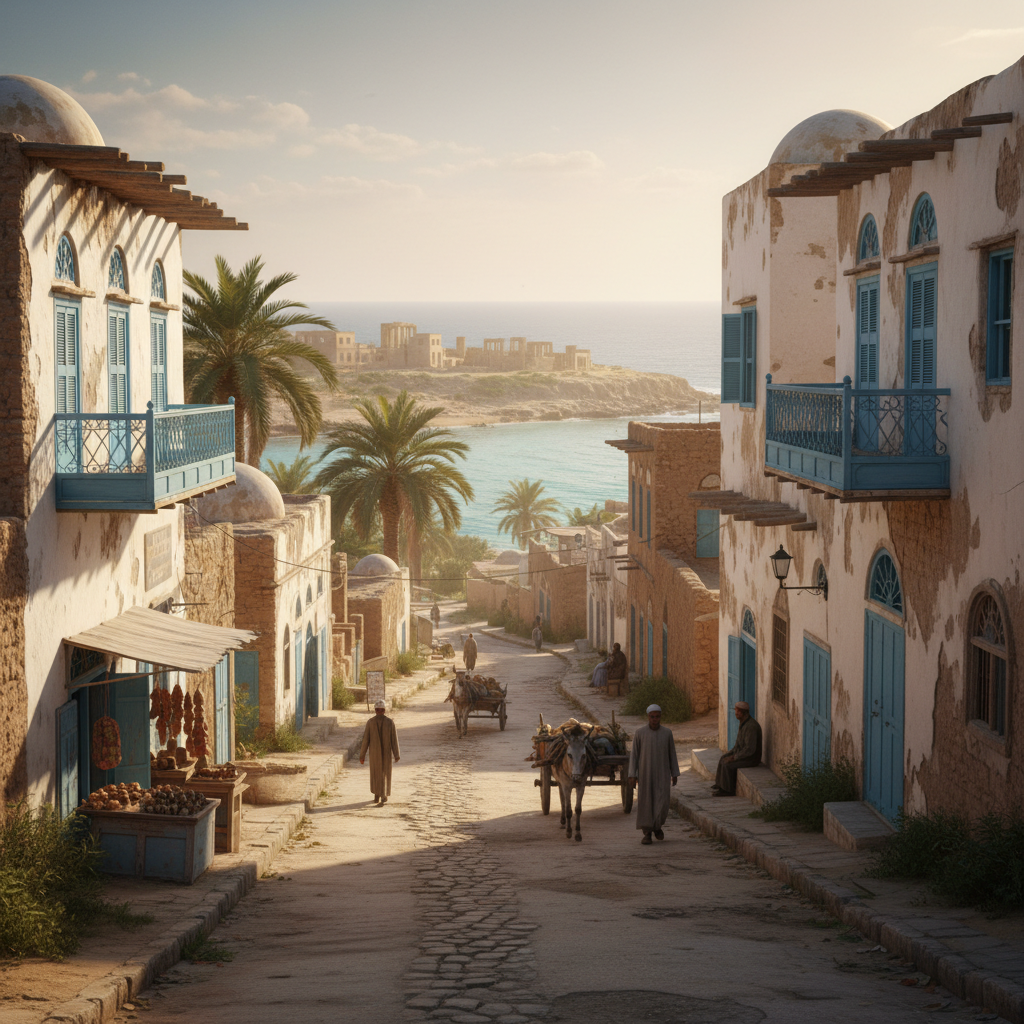
Al Khums is a major city on the Mediterranean coast of Libya, between Tripoli and Sirte, and the centre of the surrounding agricultural region. The city grew as a market and trading town, and it is the gateway to the nearby ruins of Leptis Magna, one of the best-preserved Roman cities in the Mediterranean and a UNESCO World Heritage Site. Leptis Magna was the birthplace of the Roman emperor Septimius Severus, who built the city into one of the most beautiful cities of the Roman Empire. Today Al Khums is the base for visitors to Leptis Magna and a commercial centre on the Libyan coast.
Al Quwain
8United Arab Emirates•30K
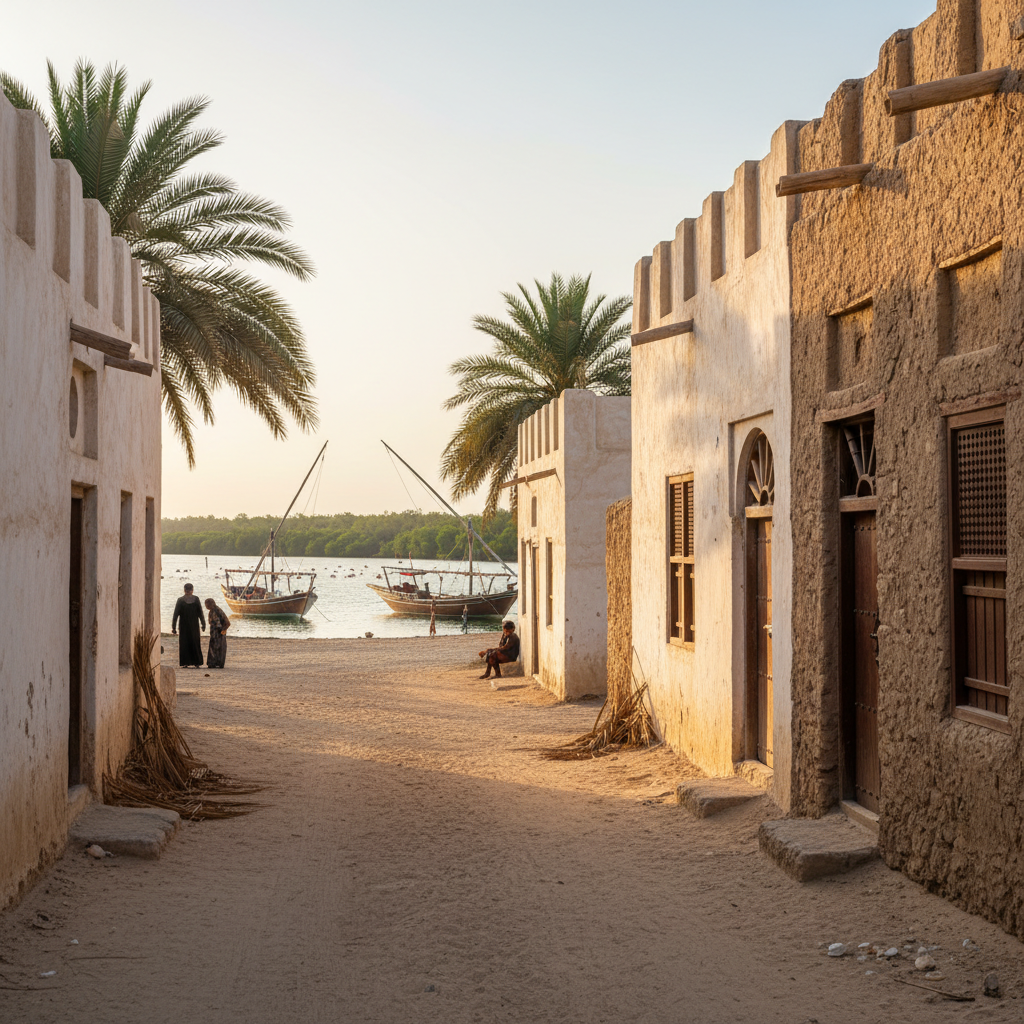
Umm Al Quwain is the capital of the emirate of the same name in the United Arab Emirates, one of the least developed and least populated of the seven emirates. The town grew as a fishing and trading settlement on the coast of the Persian Gulf, and it was one of the Trucial States that became the United Arab Emirates in 1971. The town is known for its old fort, its traditional dhow harbour, and the nearby mangrove islands and wildlife reserve, and it has kept much of the character of the pre-oil Gulf. Today Umm Al Quwain is a quiet coastal town, a contrast to the modern cities of the other emirates.
Al Rayyan
5Qatar
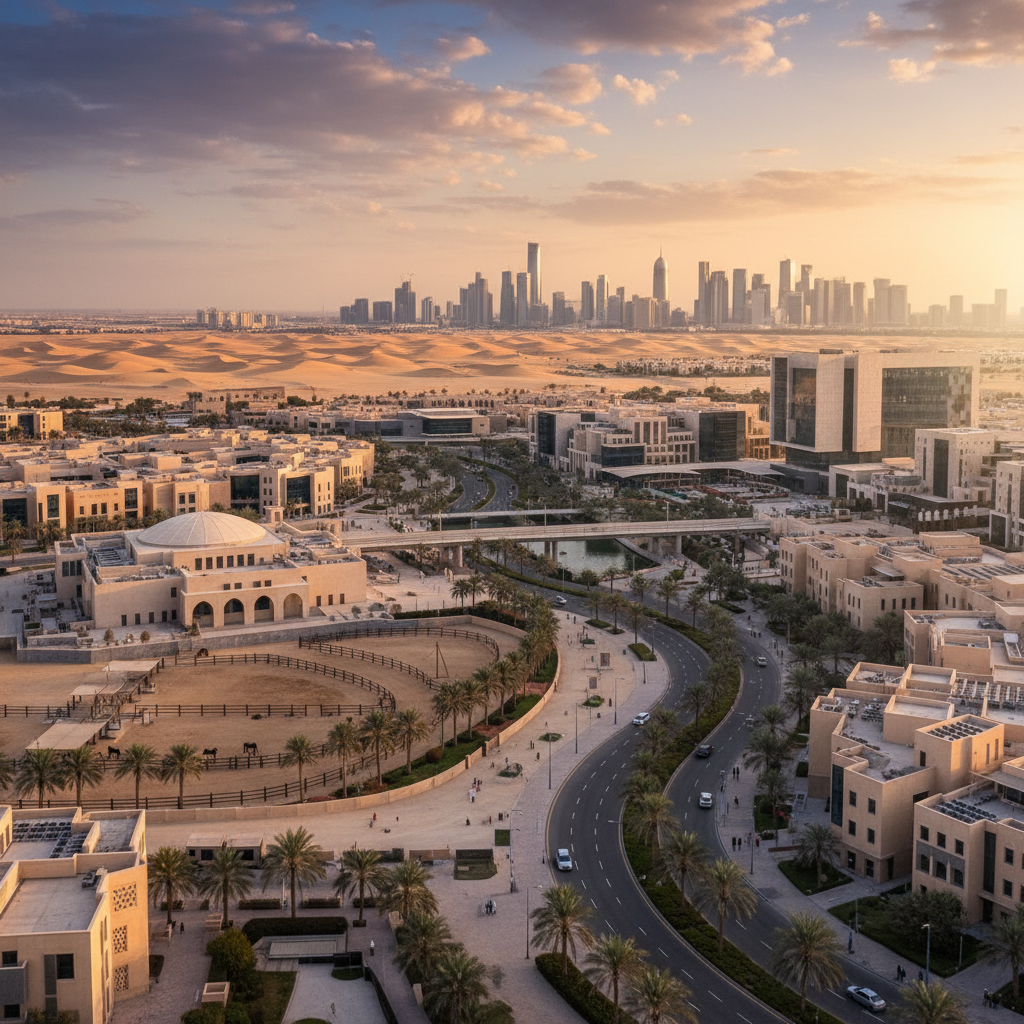
The second-largest municipality in Qatar, Al Rayyan is a massive inland urban corridor that houses the nation’s premier educational institutions, equestrian facilities, and modern sporting arenas.
Al Wakrah
5Qatar
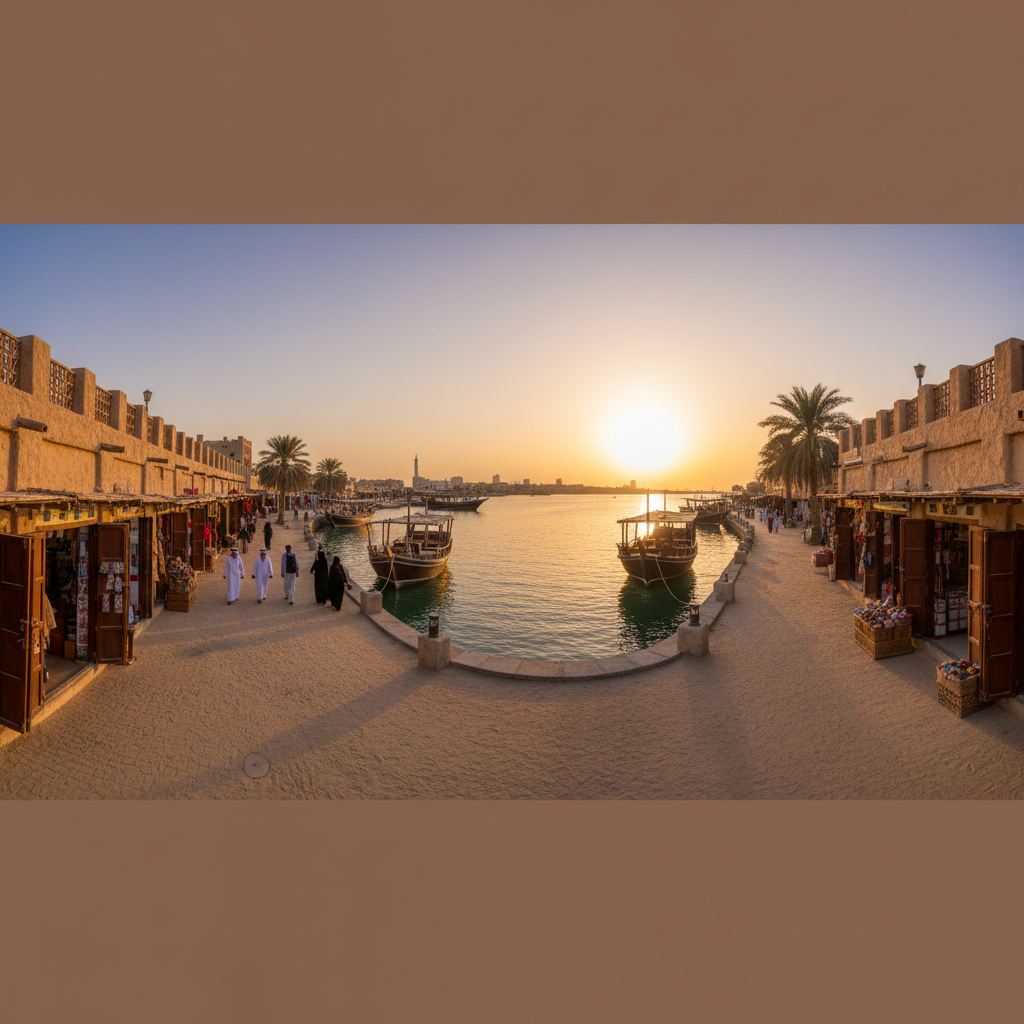
A historic coastal city just south of Doha that has transformed from a sleepy pearling and fishing village into a thriving modern metropolis.
Al-Ahsa
10Saudi Arabia
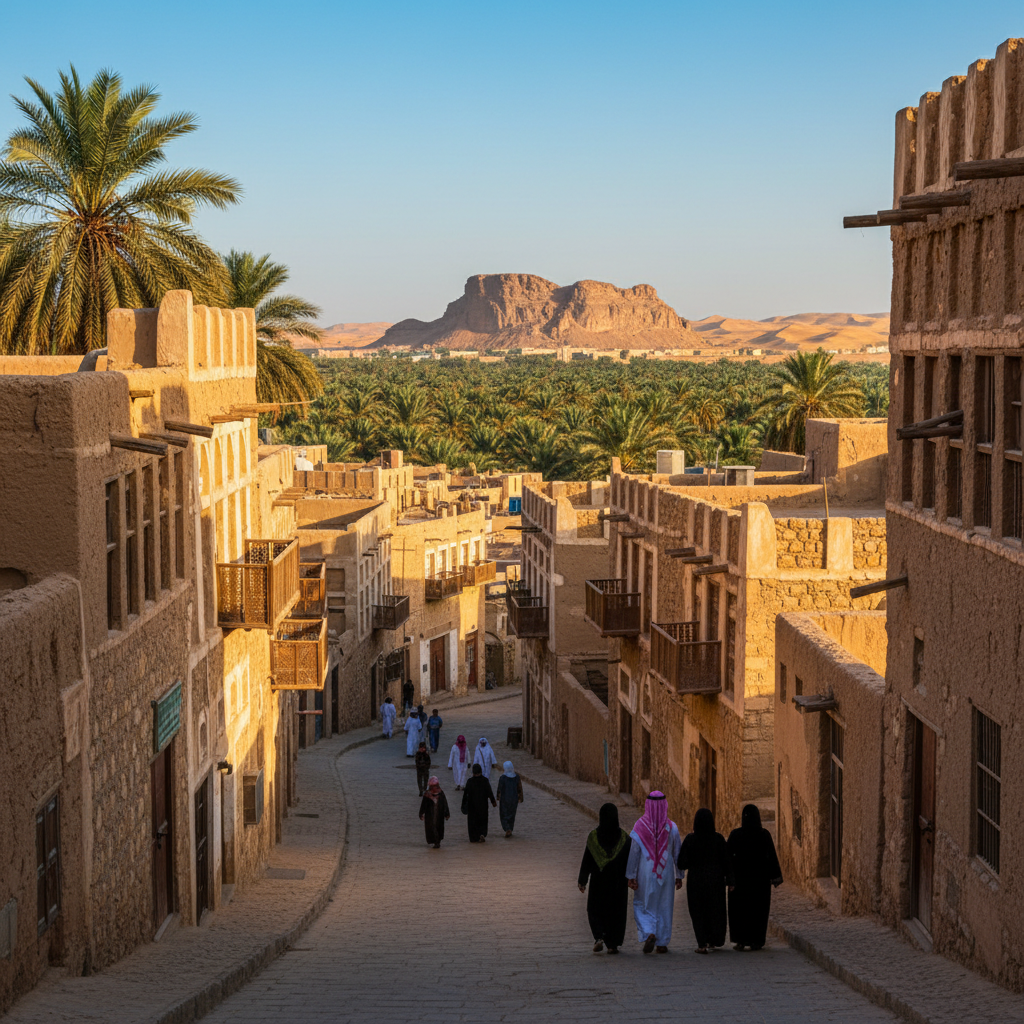
Al-Ahsa is one of the oldest inhabited regions in Saudi Arabia, with a rich history dating back to ancient times, often associated with trade routes and agriculture. It was recognized as a UNESCO World Heritage site in 2018 due to its oases, which have been a source of water and life for centuries. The region has been influenced by various civilizations, making it a mosaic of cultural heritage.
Al-Hasakah
10Syria
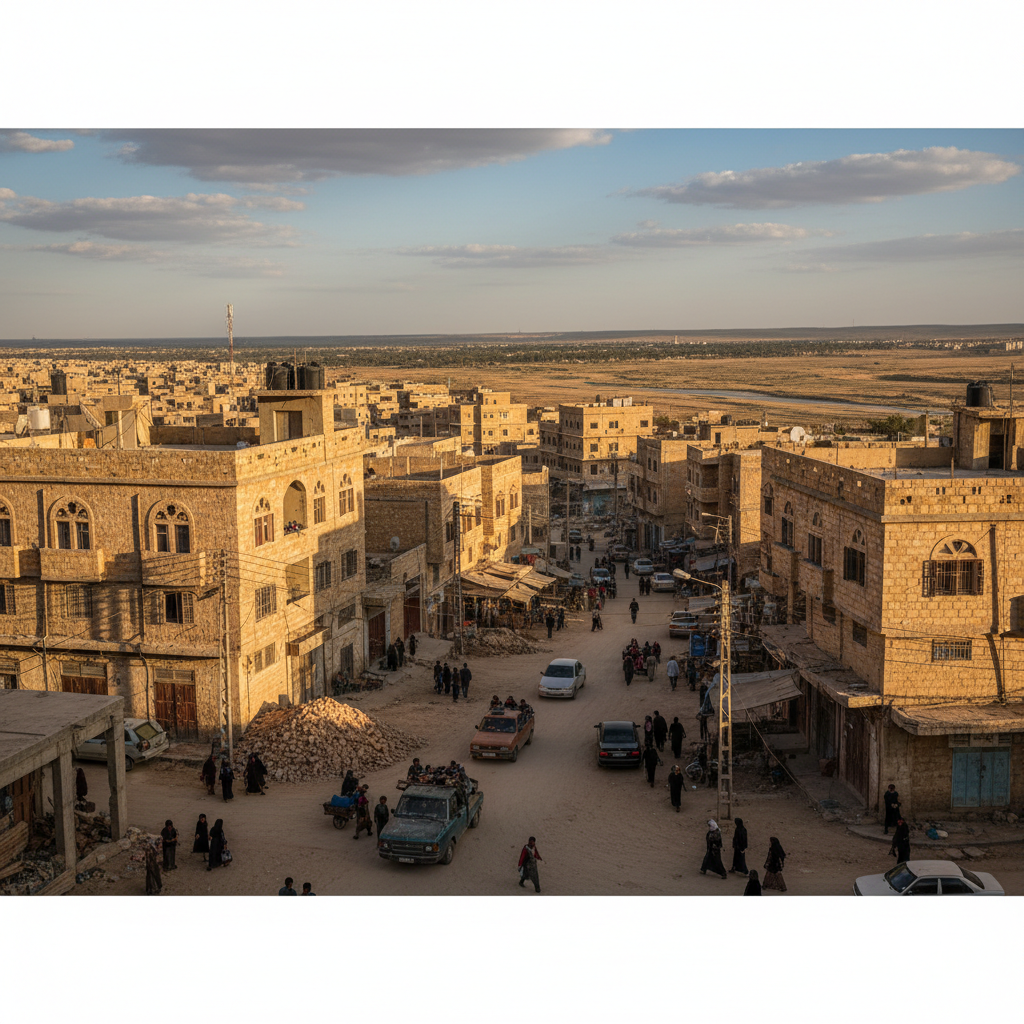
The capital of the fertile Al-Hasakah Governorate, known as Syria's breadbasket due to its vast wheat fields and diverse mix of Arab, Kurdish, and Assyrian cultures.
Al-Khobar
10Saudi Arabia
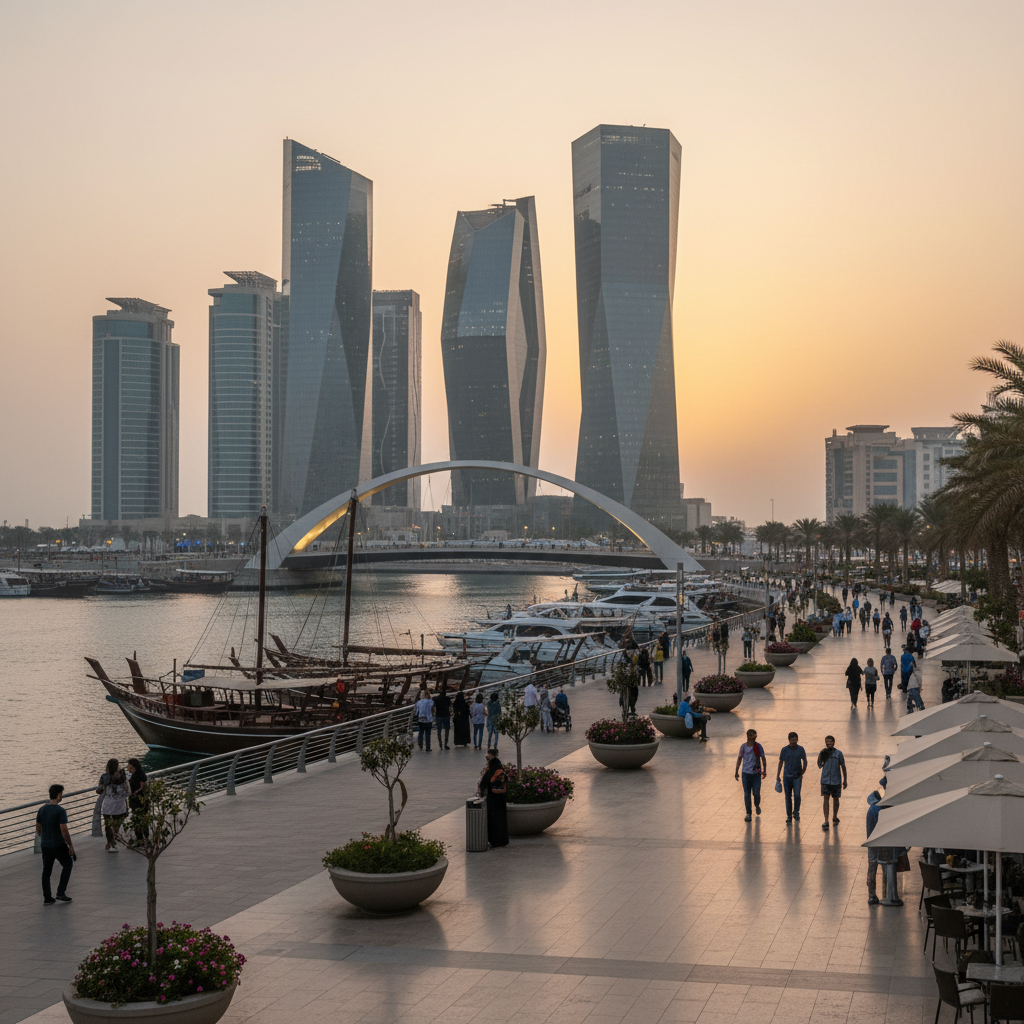
Al-Khobar has a rich history linked to the oil boom of the 20th century when it evolved from a small fishing village into a major urban center. The city's proximity to the Eastern Province's oil fields facilitated its growth, and today it serves as a hub for international business and trade. The waterfront Corniche showcases modern development juxtaposed with historical landmarks.
AlUla
5Saudi Arabia•5K
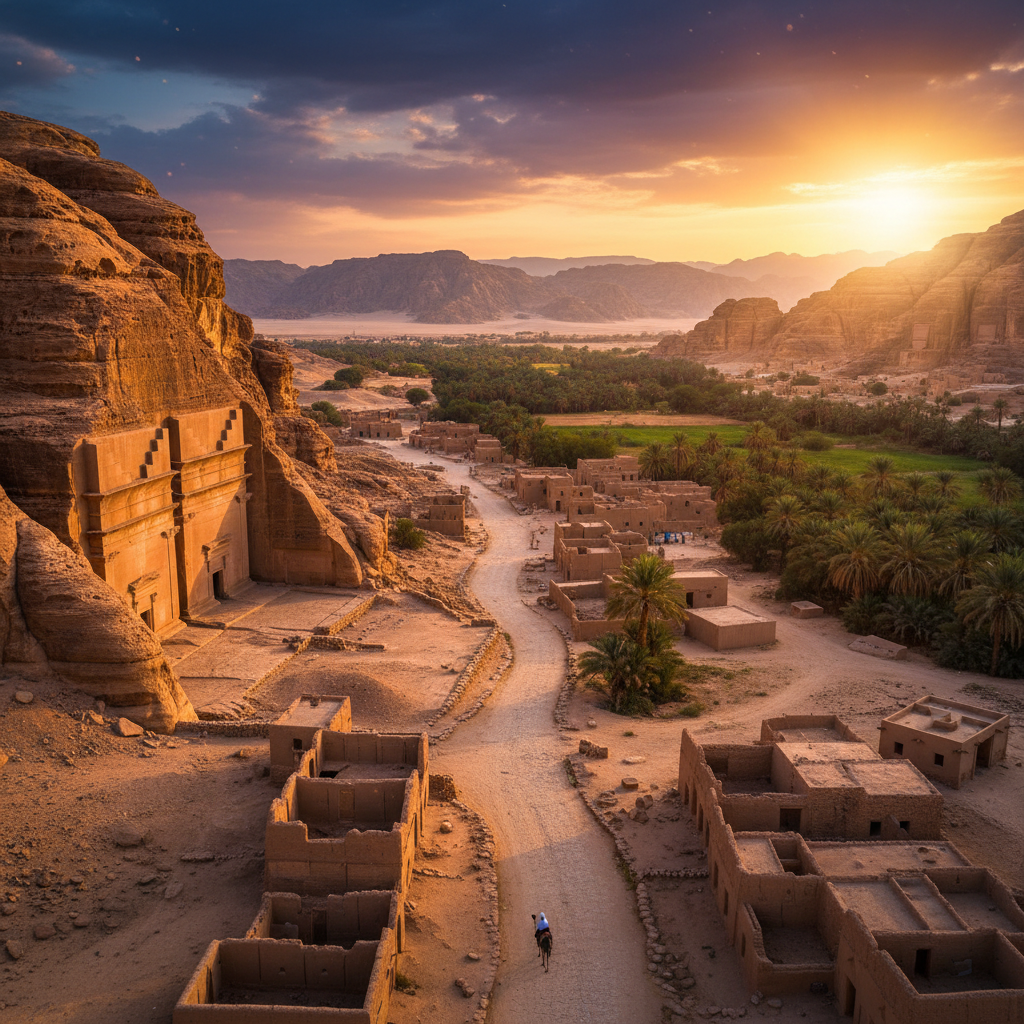
AlUla has been inhabited for over 200,000 years and was once a vital stop on the incense trade route. The site is home to the UNESCO World Heritage Site of Madain Salih, which features well-preserved Nabatean tombs. AlUla's rich history intertwines with various civilizations, including the Lihyanites and Romans, making it a significant archaeological treasure.
Alapi
5Tuvalu
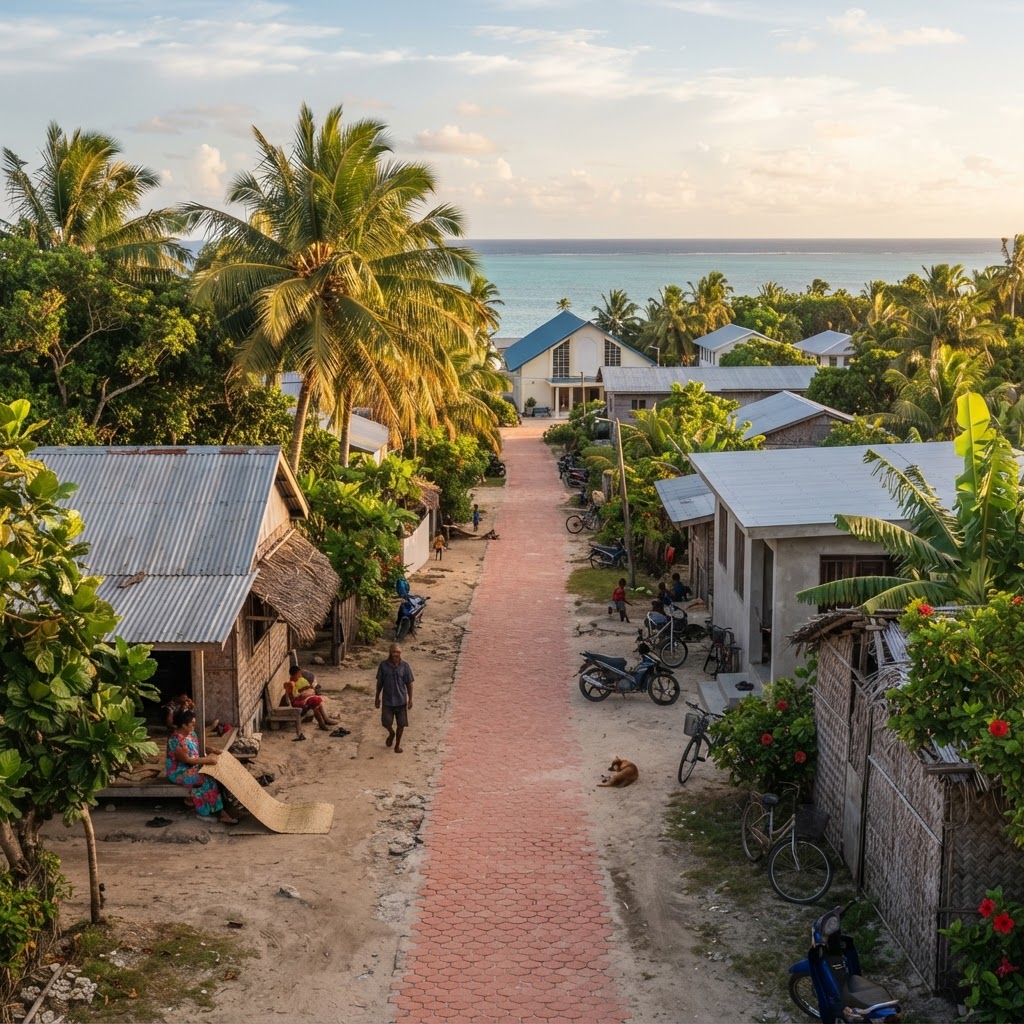
Alapi is one of the traditional village neighborhoods on Fogafale islet in Funafuti atoll, the capital of Tuvalu. Like all Tuvaluan settlements, it is built on narrow coral land barely a few meters above sea level, with a deep Polynesian cultural heritage dating back over a thousand years. The village is centered around its maneapa (community meeting house), the heart of Tuvaluan social and political life where the fatele — communal feasts with singing and dancing — take place. Traditional skills such as outrigger canoe carving and kilikiti (Polynesian cricket) remain part of daily life. Rising sea levels pose an existential threat to the entire nation.
Alaverdi
6Armenia•13K
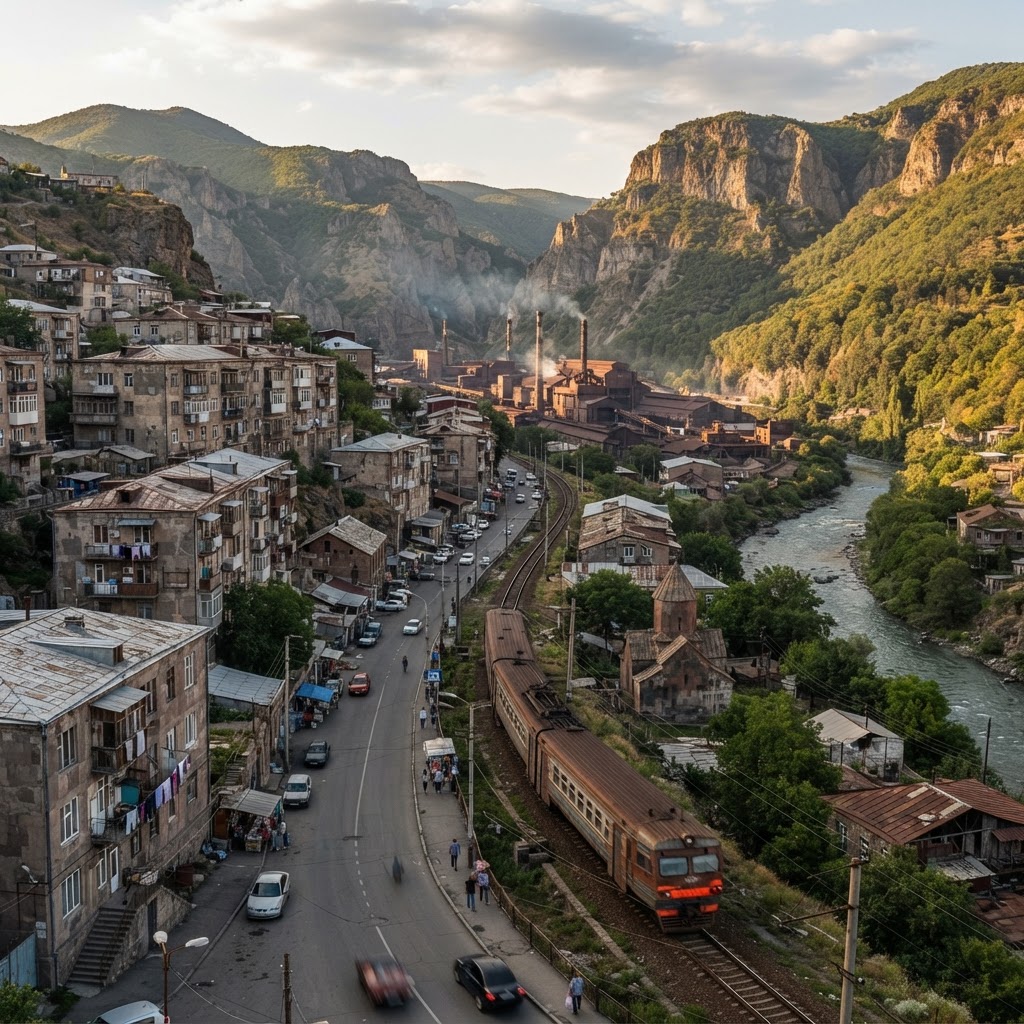
The city is famous for its copper mining history that dates back to the 18th century. It is the gateway to the UNESCO World Heritage site of Haghpat and Sanahin monasteries.
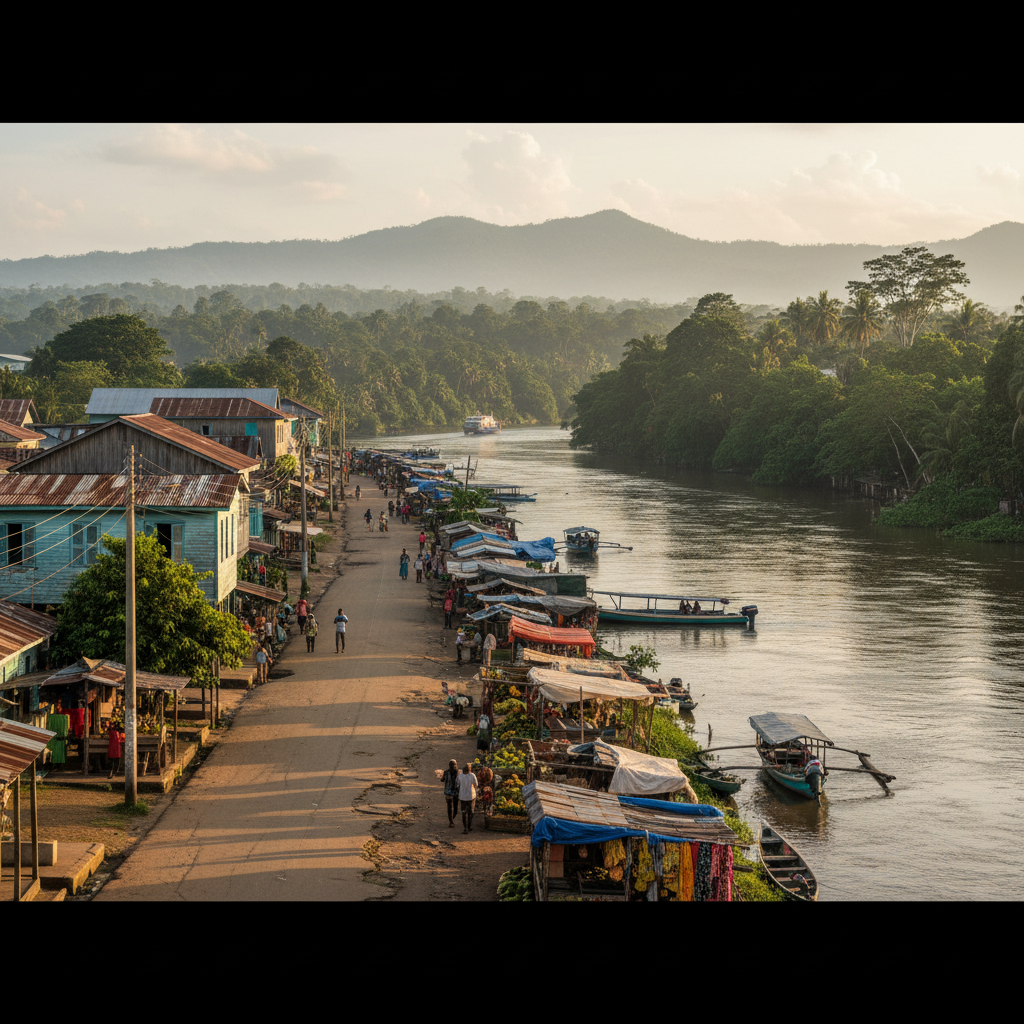
Albina
8Suriname
Facing French Guiana across the wide Marowijne River, this lively border post is populated by indigenous Carib people and Maroon traders.
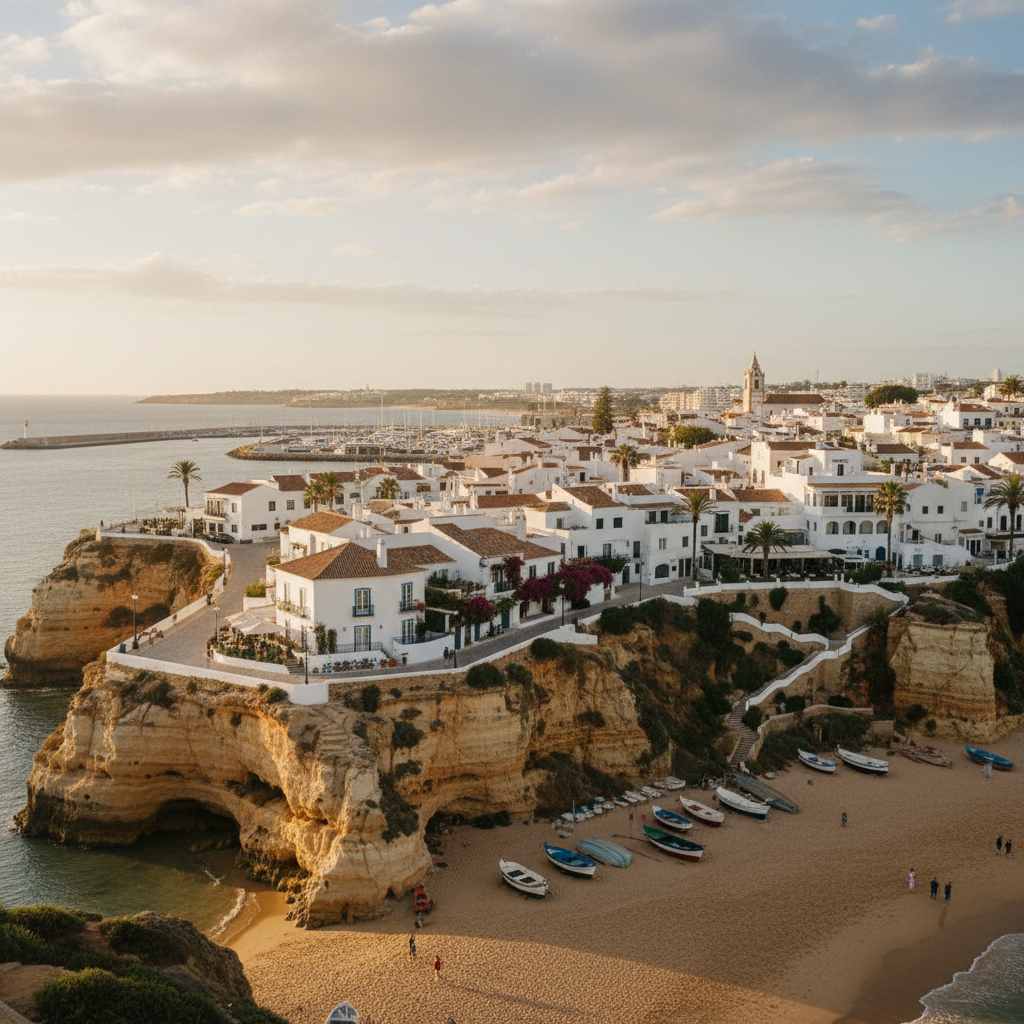
Albufeira
8Portugal
The bustling epicenter of tourism in the central Algarve, Albufeira balances a charming, whitewashed historic old town with a high-energy, neon-lit resort strip.
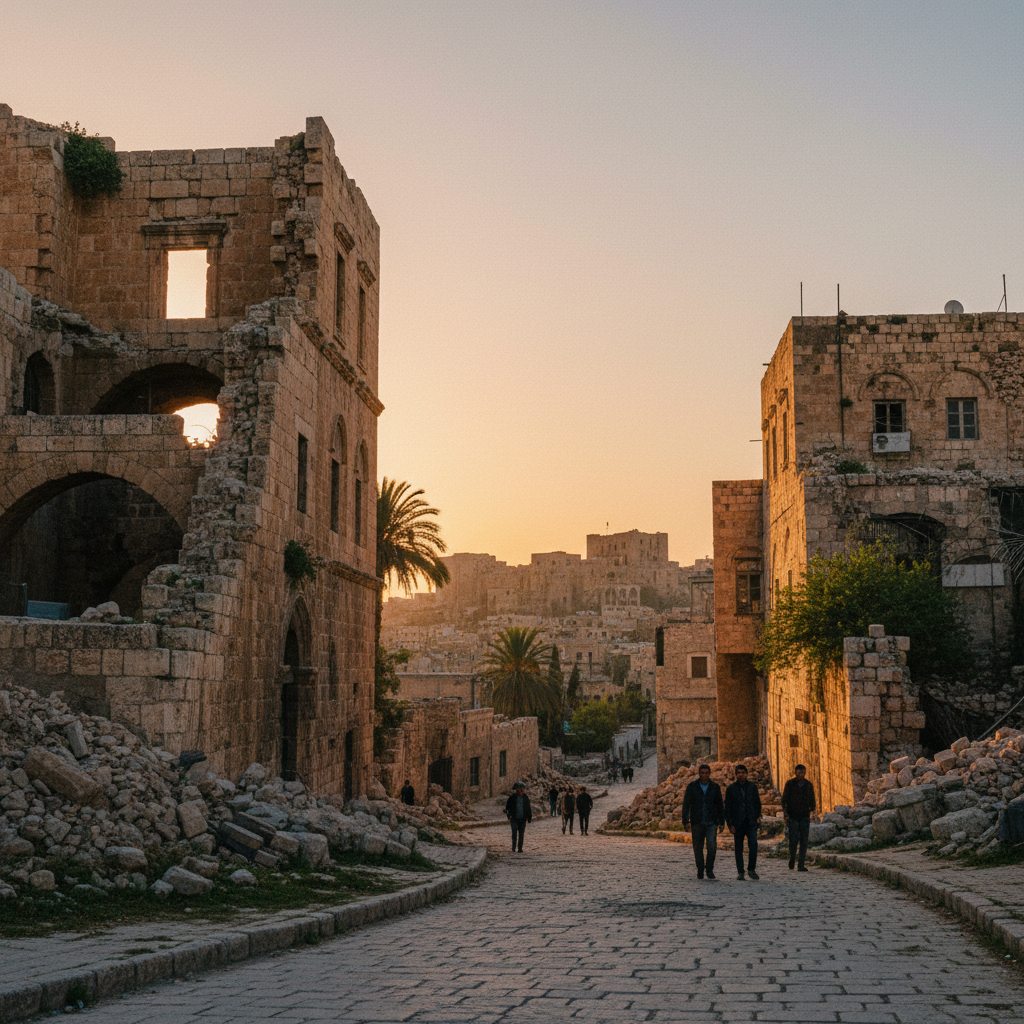
Aleppo
10Syria
Historically Syria's industrial and commercial powerhouse, Aleppo is defined by its massive limestone Citadel and thousands of years of trade heritage. The city is gradually restoring its iconic historic quarters after extensive conflict damage.
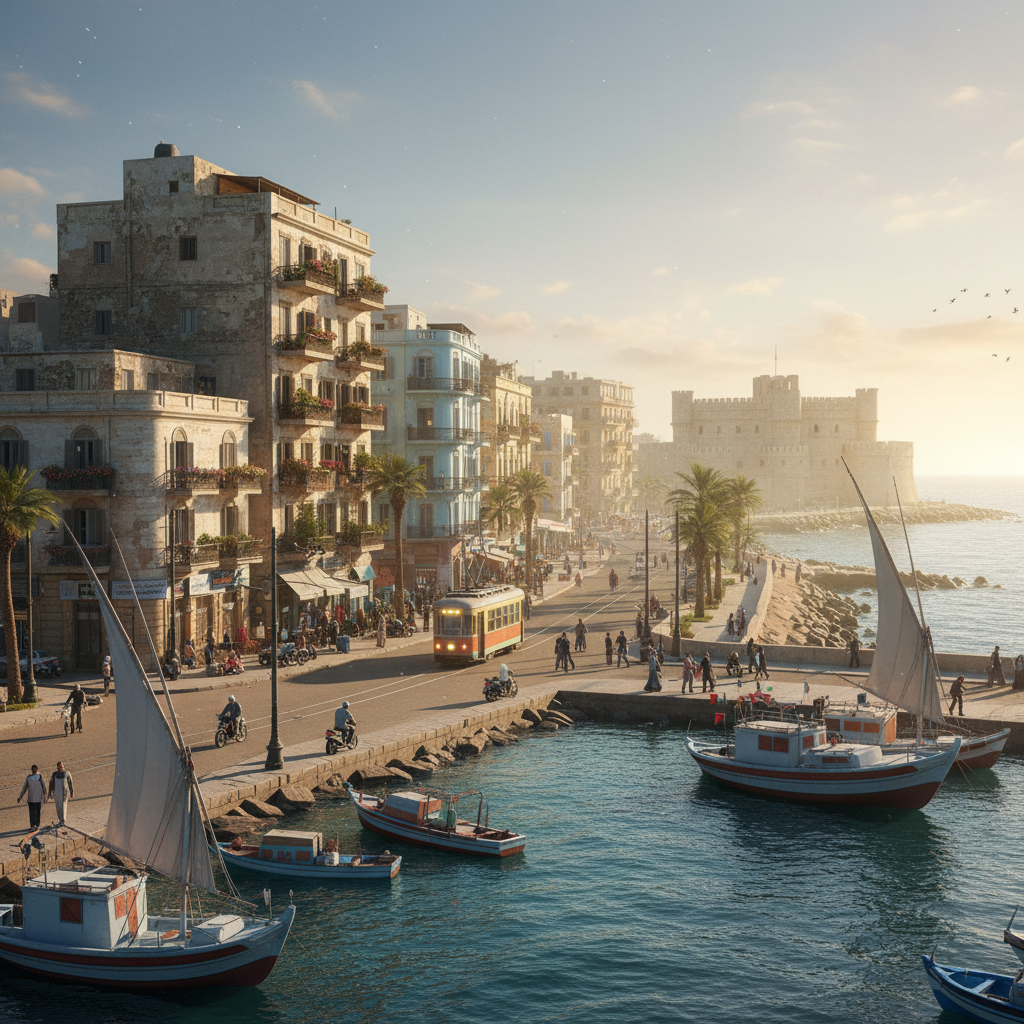
Alexandria
15Egypt•5.2M
The historic 'Pearl of the Mediterranean' founded by Alexander the Great, visited for its legendary library, Roman catacombs, and waterfront.
Algarve
8Portugal•450K
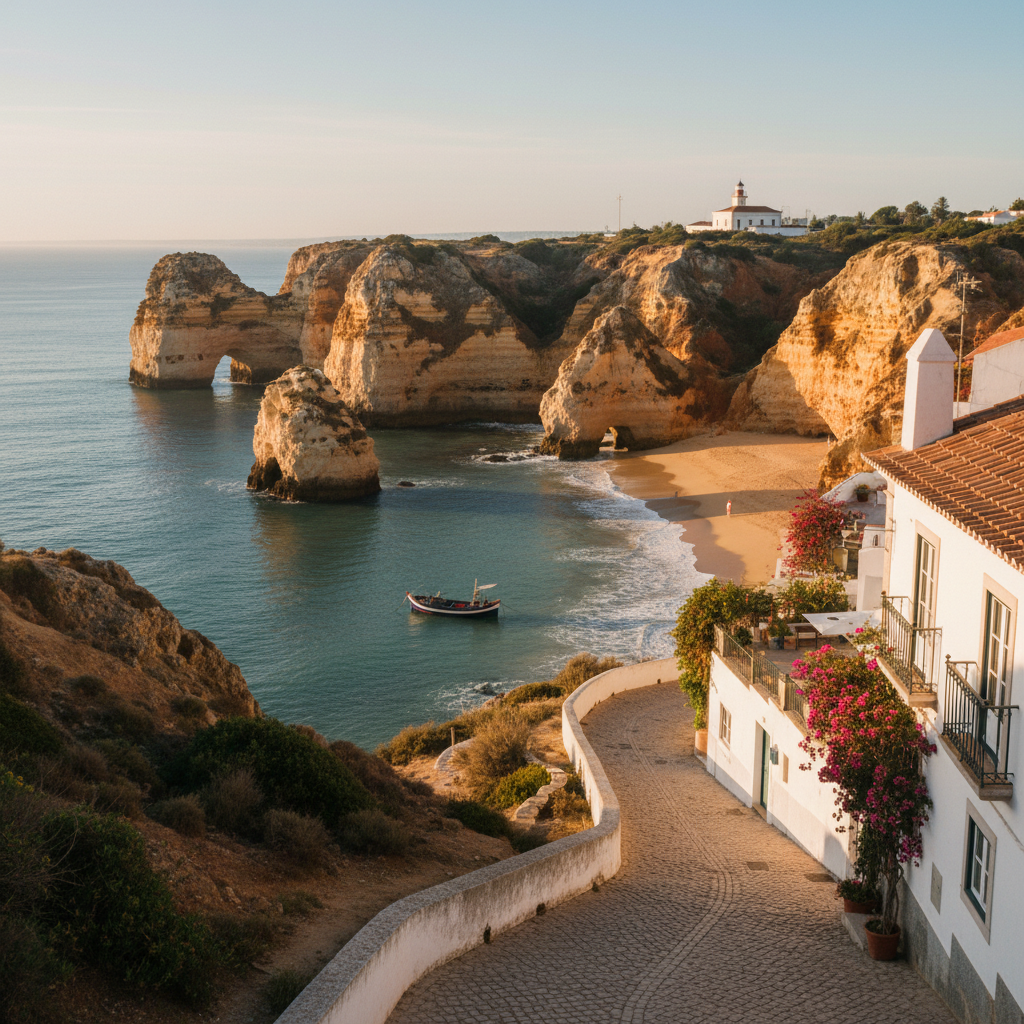
The Algarve has a rich history influenced by various cultures, including the Romans, Moors, and more recently, Portuguese explorers. The region was a key trading hub during the Age of Discoveries in the 15th century, which contributed significantly to its development and architectural charm. Notable historical sites include the Moorish Castle in Silves and the Roman remains in Lagos.
Algiers
12Algeria•3.9M
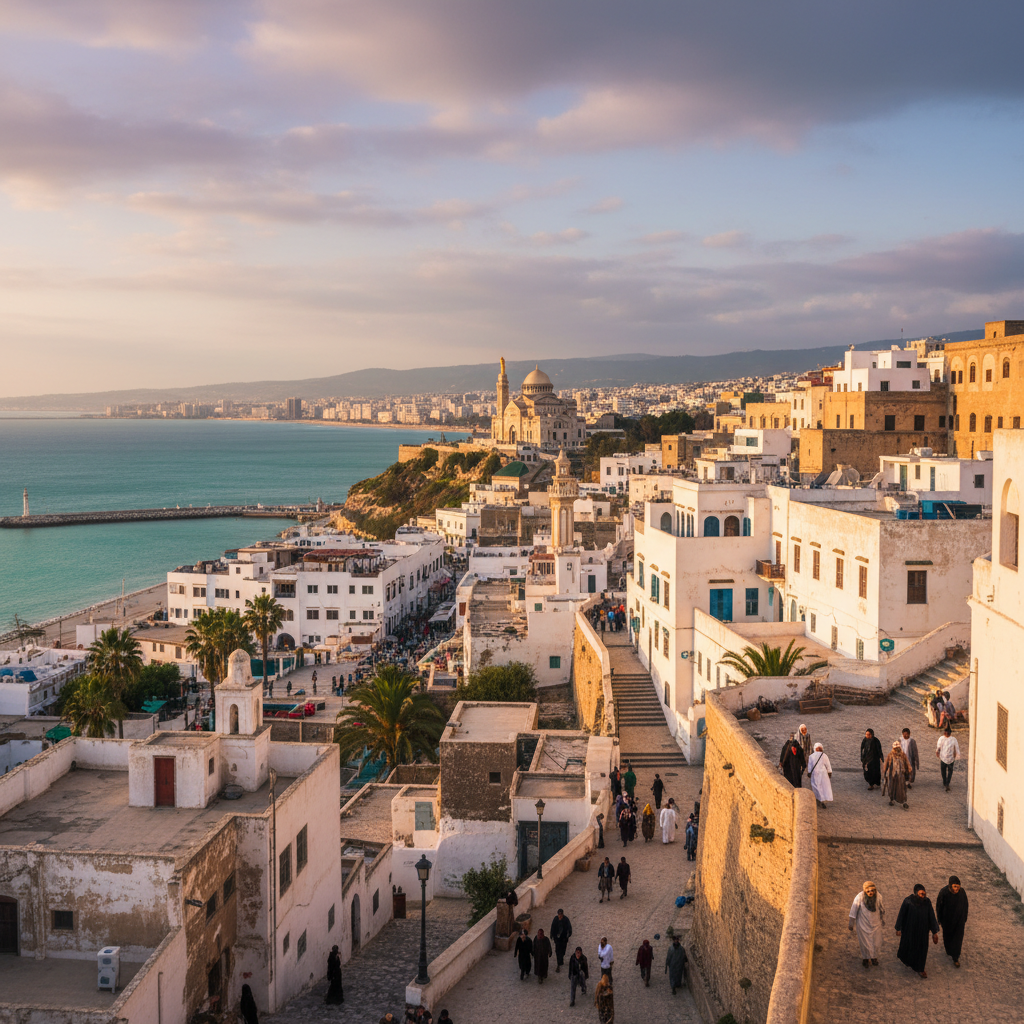
Algiers (El Djazaïr in Arabic) is the capital and largest city of Algeria, a whitewashed Mediterranean metropolis rising in tiers above the Bay of Algiers. It is a city of contrasts: Ottoman-era Casbah alleyways meet French colonial boulevards, and ancient mosques stand beside modernist structures. Founded by Berber tribes and later occupied by Phoenicians, Romans, and Arabs before the Ottoman Empire made it a key base from the 16th century, Algiers became the capital of French Algeria in 1830 and was transformed with wide Haussmmann-style boulevards. Algeria gained independence in 1962 after a brutal eight-year war. Today Algiers is the political, cultural, and economic heart of the country.
Ali Sabieh
13Djibouti•40K
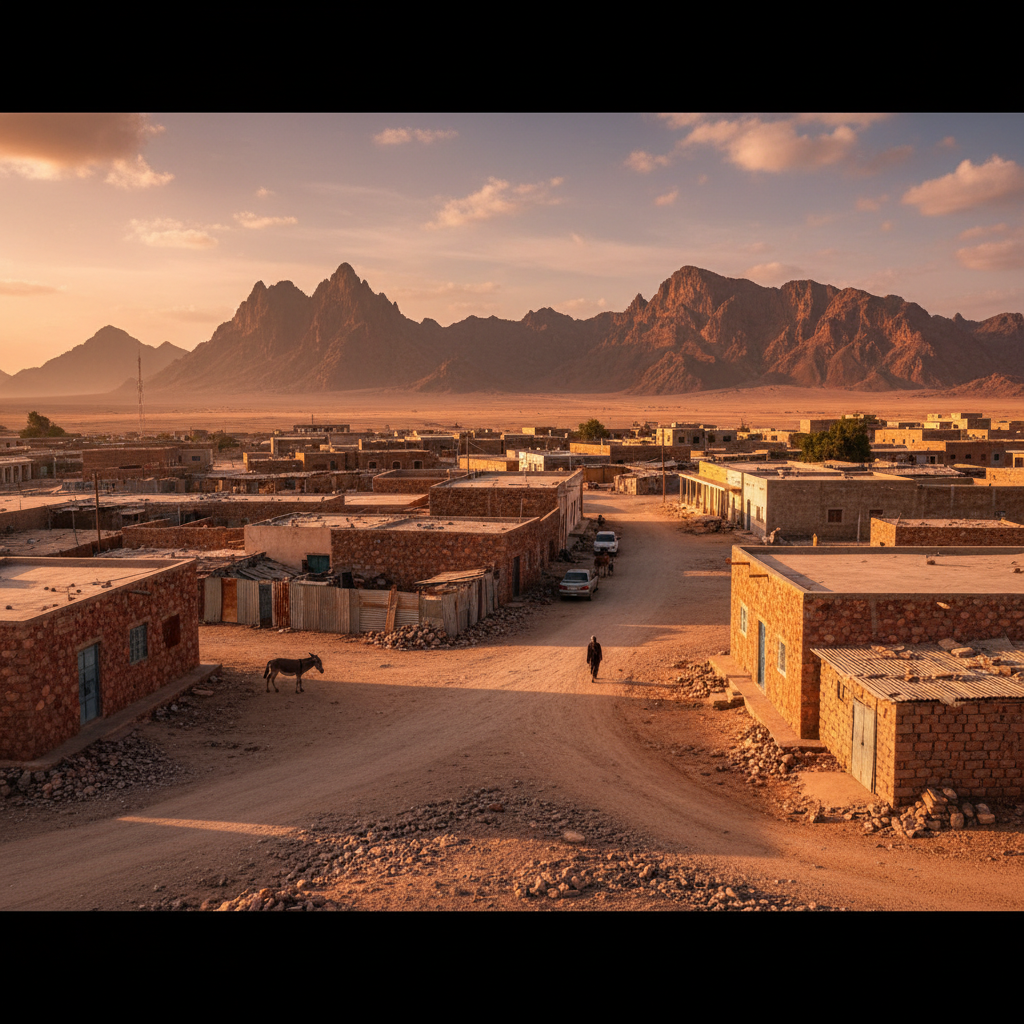
Ali Sabieh is the principal town of southern Djibouti, positioned in rugged mountain landscapes near the Ethiopian border. The town grew around the Franco-Ethiopian Railway (completed 1917), which connected Addis Ababa to the Port of Djibouti — a engineering marvel that traversed some of the world's most challenging terrain. The railway station and colonial-era buildings remain as testaments to this era. Ali Sabieh serves as the gateway to the Grand Bara, a massive flat clay plain that was historically used for land wind-sailing experiments and now hosts occasional desert festivals.
Almaty
10Kazakhstan•1.9M
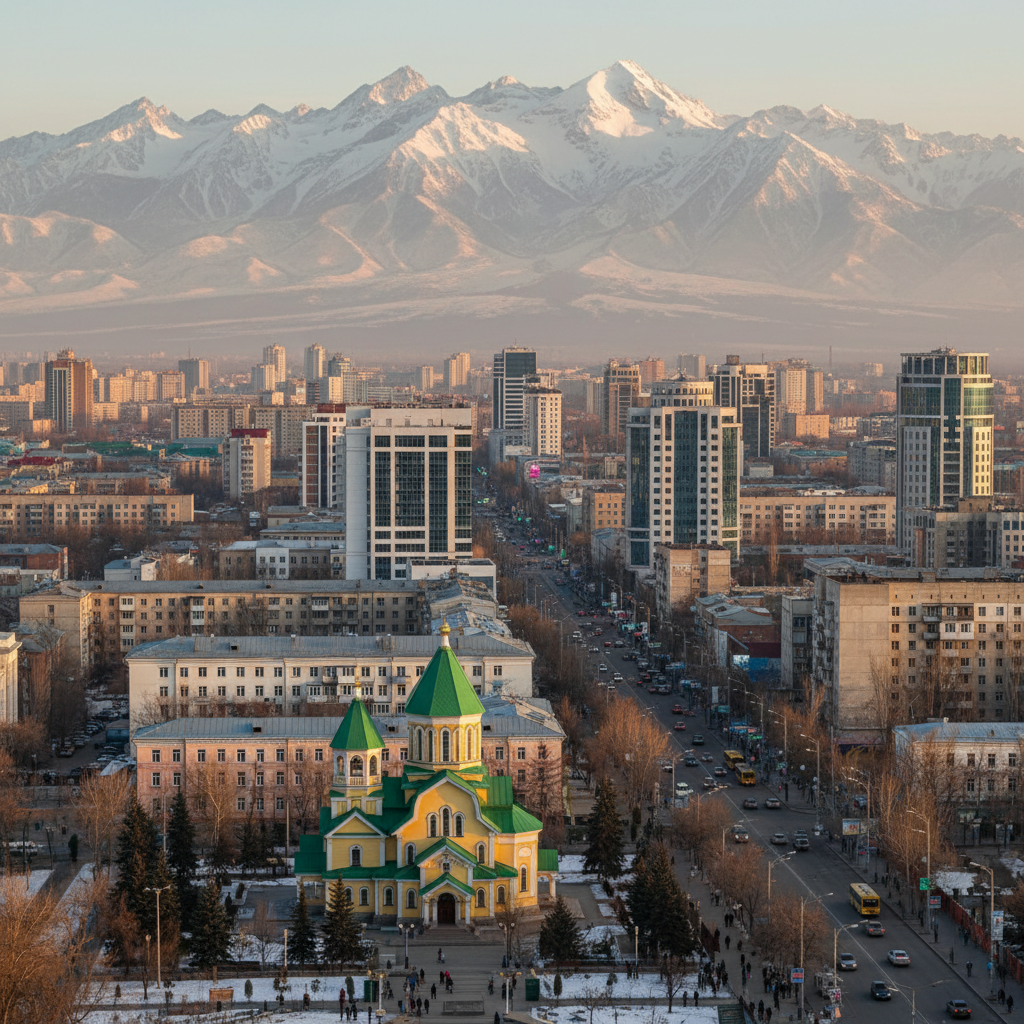
Founded in the mid-19th century, Almaty served as the capital of Kazakhstan until 1997 and reflects a rich blend of Soviet and Kazakh architectural influences. The city was originally a trading post on the Silk Road and has seen significant changes in governance and culture throughout its history. Following the dissolution of the Soviet Union, Almaty became a focal point for Kazakhstan's transition to independence.
Almere
10Netherlands
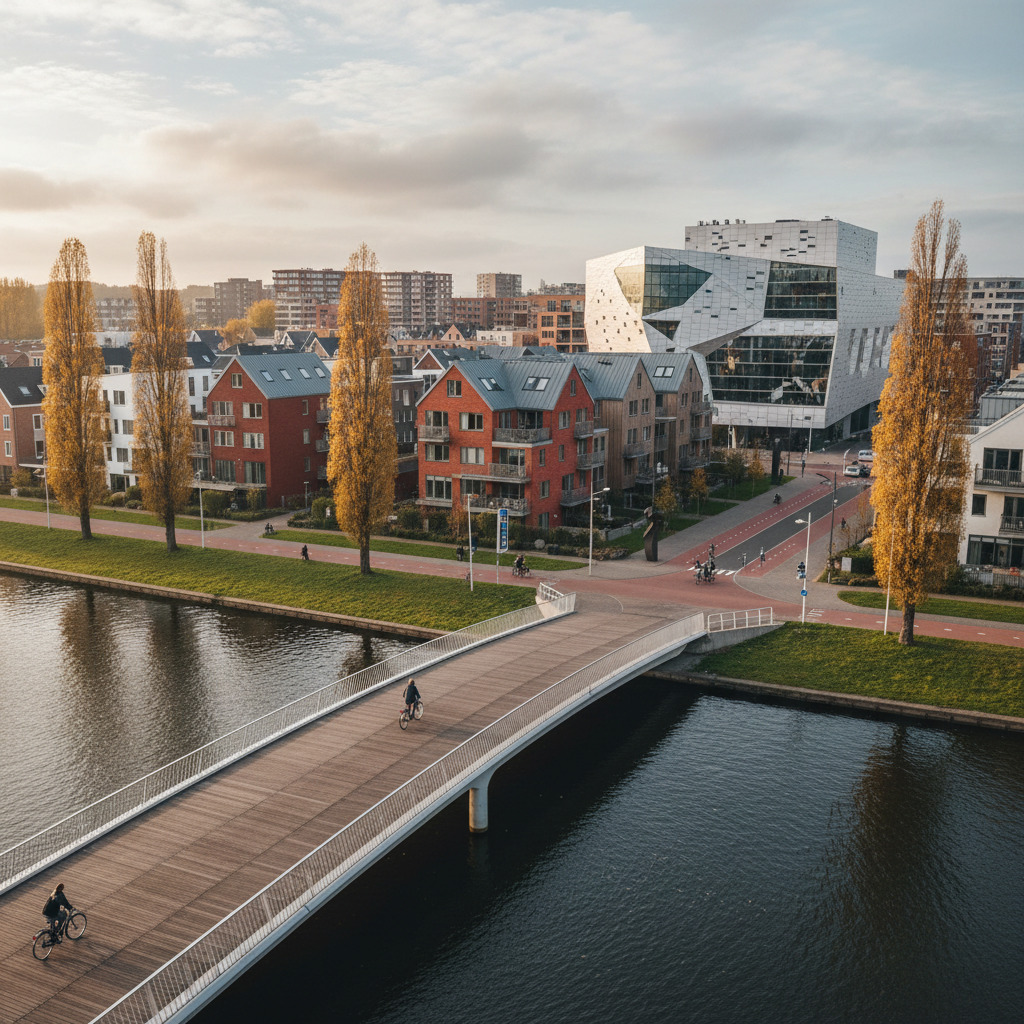
Founded in the 1970s, Almere was developed as part of the Flevoland polder project, which involved reclaiming land from the IJsselmeer Sea. The city is notable for its modern architecture and urban planning, aiming to accommodate a growing population in a sustainable environment. Almere's roots as a young city contribute to its vibrant cultural scene and unique city layout.
Alotau
13Papua New Guinea
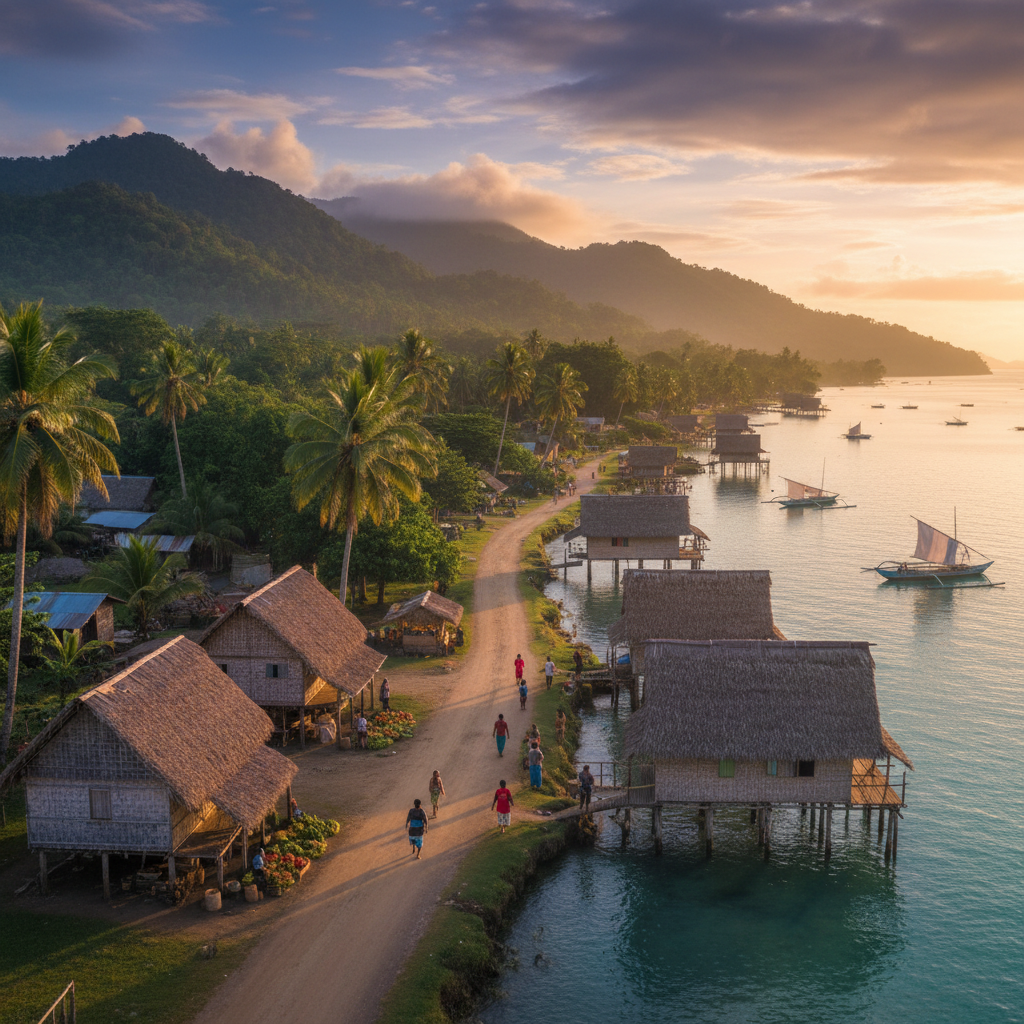
Situated on the tranquil shores of Milne Bay, Alotau is a peaceful maritime town and gateway to some of the world's most pristine coral reefs and rich oceanic cultures.
Alytus
9Lithuania•55K
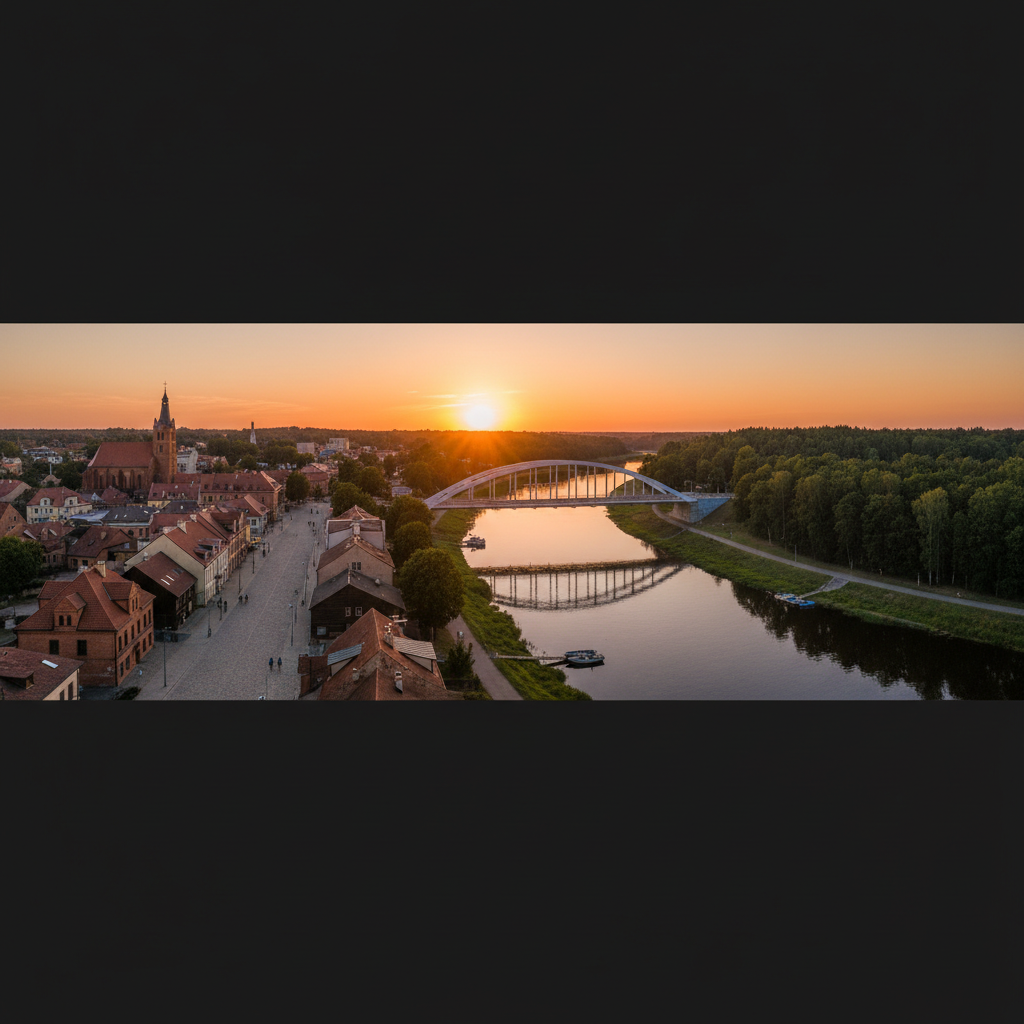
Alytus is the sixth-largest city in Lithuania, on the Nemunas River in the south of the country, and the historical centre of the Dzūkija region. The city was first mentioned in the 14th century and grew as a trading and administrative centre, and it was the site of the Battle of Alytus in 1919, a major engagement of the Lithuanian wars of independence. The city was heavily damaged in both world wars and rebuilt as an industrial city in the Soviet period. Today Alytus is the industrial and cultural centre of southern Lithuania, the largest city in the Dzūkija region.
Am Timan
11Chad•45K
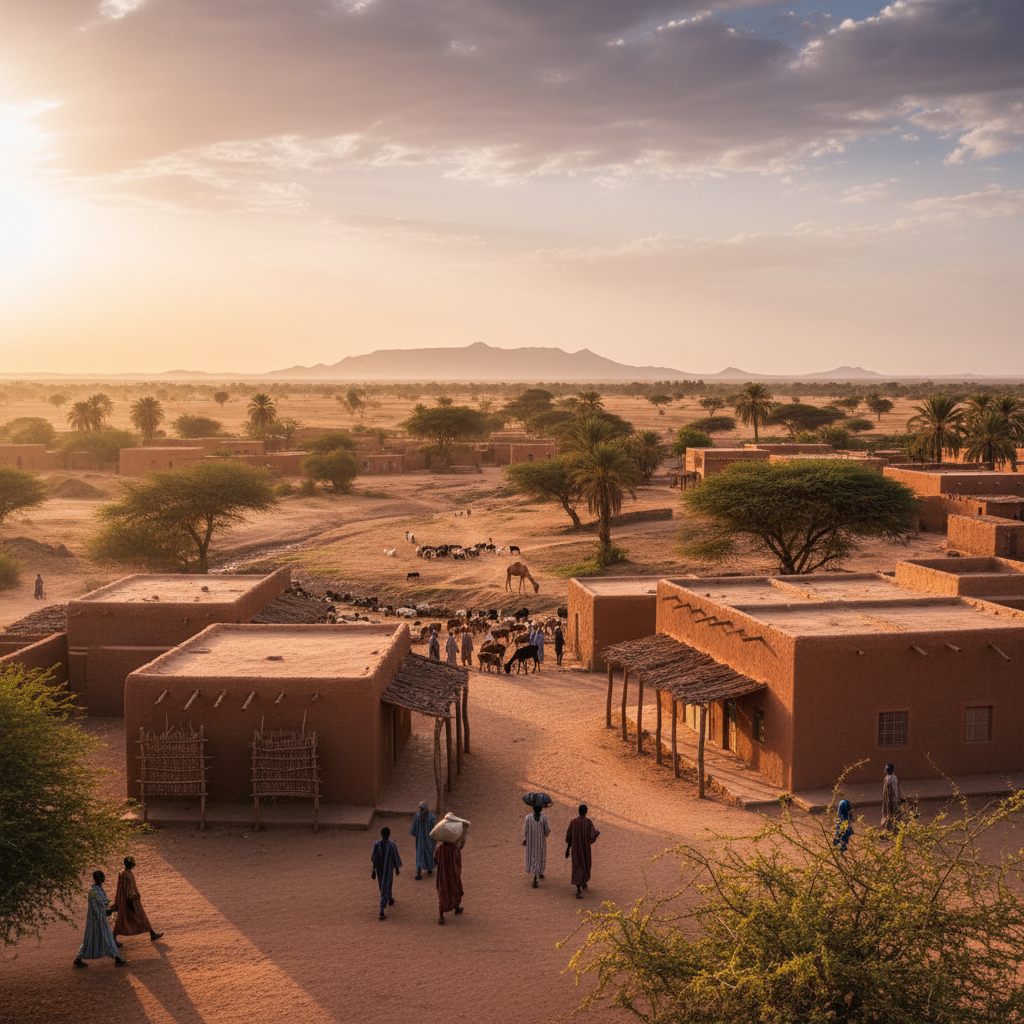
Am Timan is a dusty, tropical market town on the banks of the seasonal Bahr Salamat River in Chad's deep south, serving as the primary gateway to Zakouma National Park — one of Africa's most remarkable conservation success stories. The Salamat region has been inhabited by Salamat Arab pastoralists and Sara agricultural communities for centuries, with the river providing a vital seasonal lifeline in the harsh Sahelian environment. Zakouma itself was established as a national park in 1963 but suffered catastrophic poaching losses during the civil war years, losing over 90% of its elephant population to Sudanese poachers between 2002 and 2010. Since African Parks took over management in 2010, it has achieved one of the most dramatic wildlife recoveries on the continent. Am Timan today exists almost entirely to service the park's conservation operations and the growing number of intrepid safari visitors.
Amalfi Coast
5Italy•5K
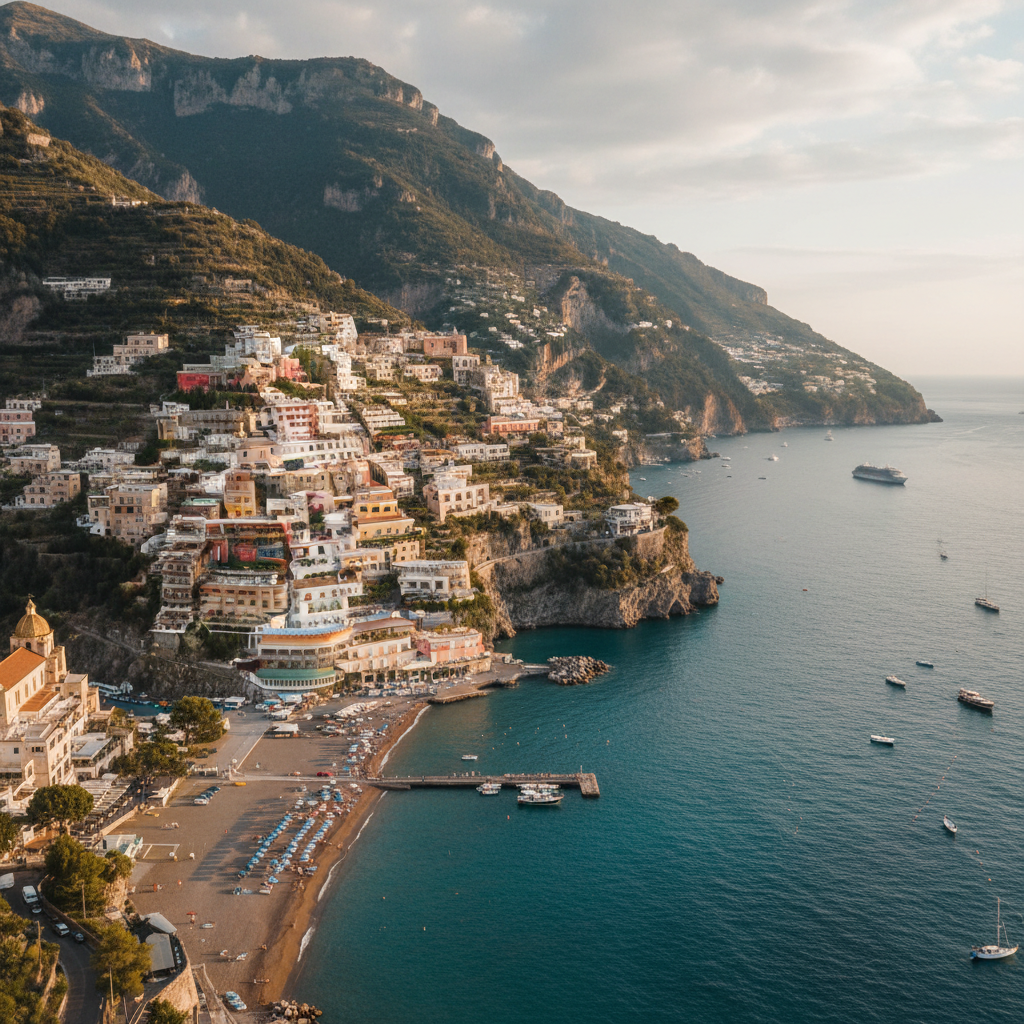
The Amalfi Coast has a rich maritime history, with Amalfi being one of the four Maritime Republics of Italy from the 9th to the 11th century. The Cathedral of Sant'Andrea in Amalfi reflects its historical significance, showcasing intricate details from various architectural influences. The region's historical significance as a trading hub with the Byzantine Empire paved the way for its unique blend of culture and commerce.
Ambon
10Indonesia
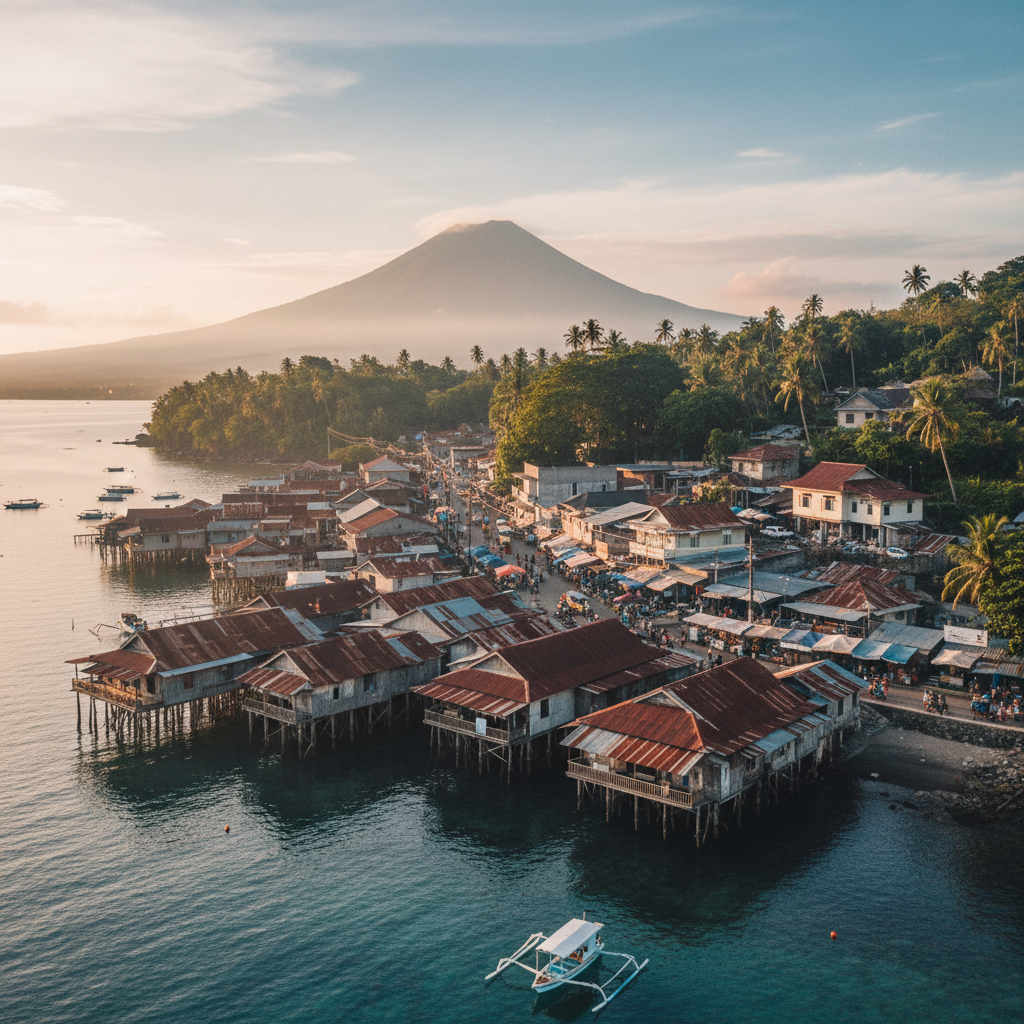
Ambon played a significant role during the colonial era, particularly known for the spice trade and its historical context in the Maluku Islands. The island was notably influenced by Dutch colonial rule, leading to a unique blend of cultural and religious identities. More recently, the region went through a period of conflict in the late 1990s, shaping its current sociopolitical landscape.
Ambositra
13Madagascar•35K
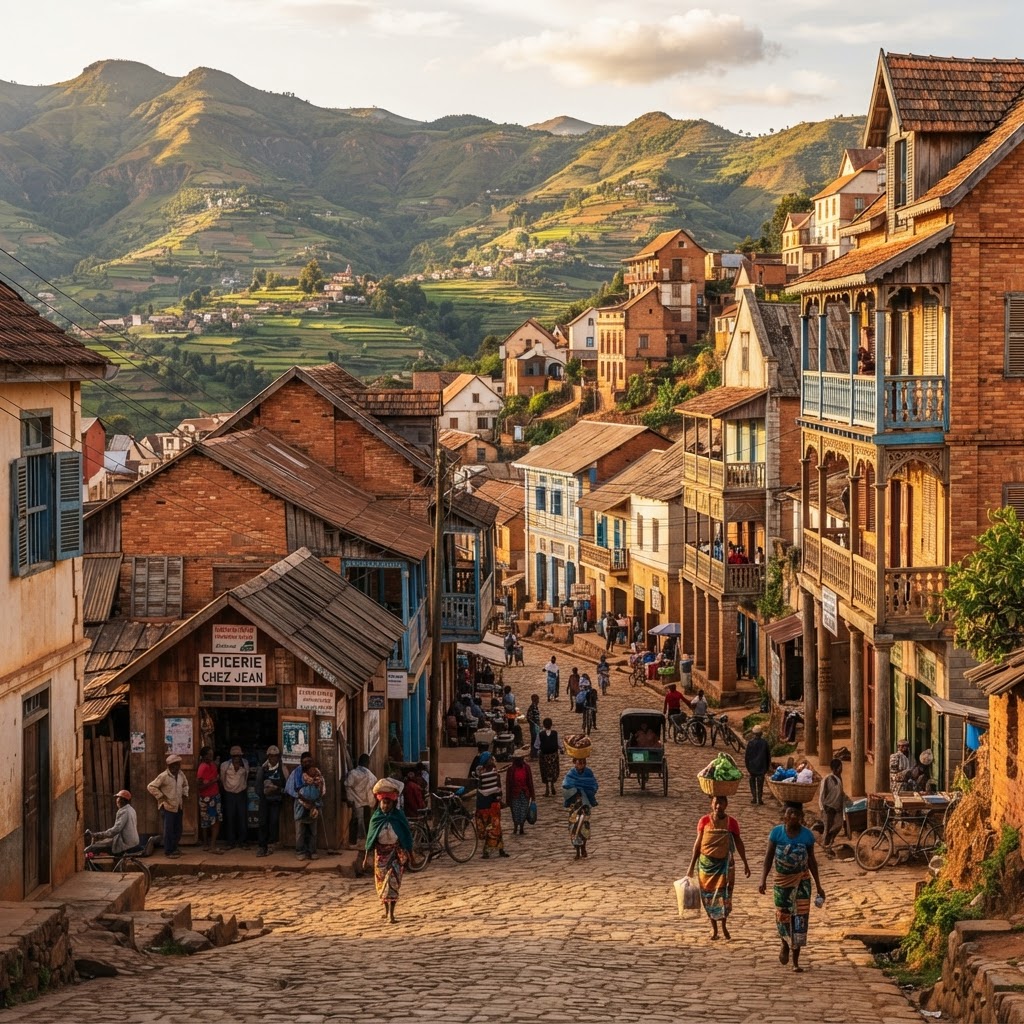
Center of Madagascar's wood-carving Zafimaniry culture.
Amman
10Jordan•4.0M
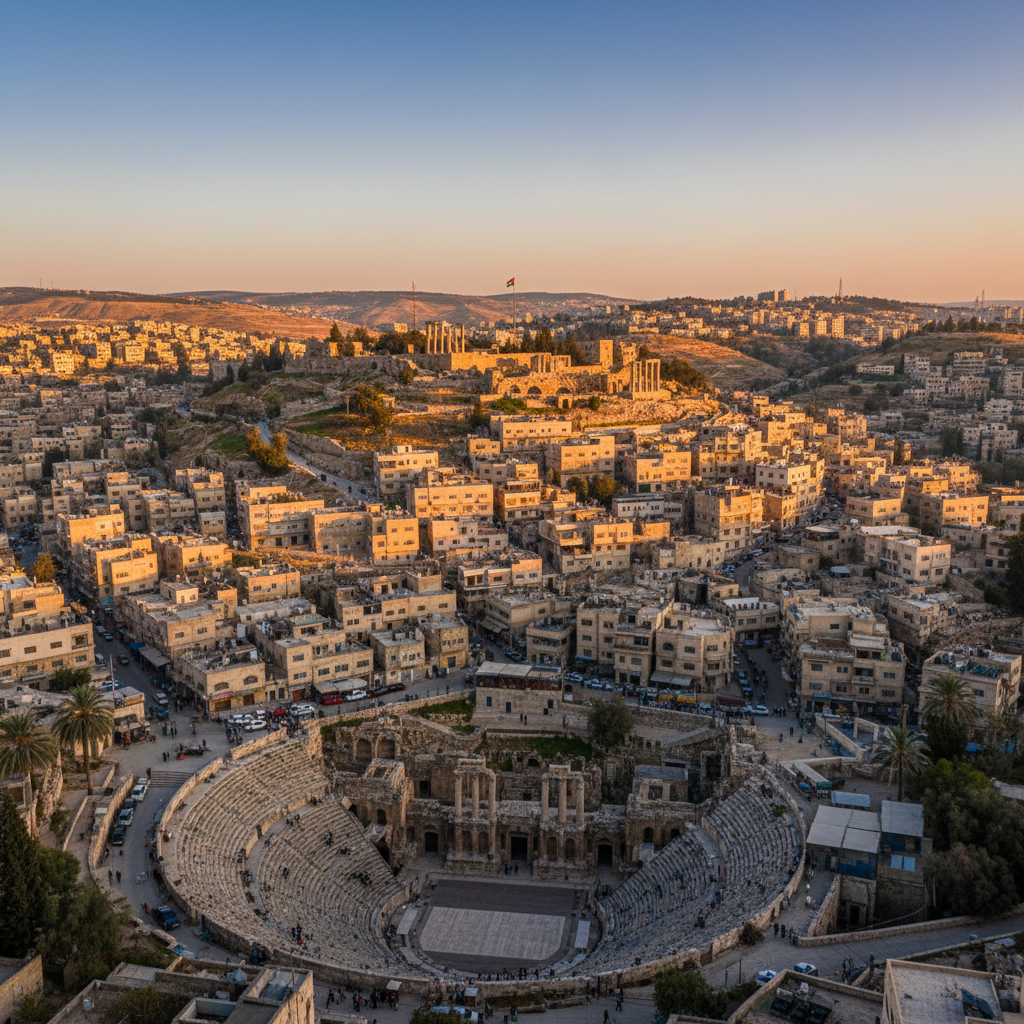
Amman has a rich history dating back over 9,000 years, known as Philadelphia in ancient times, part of the Greco-Roman Decapolis. It served as a crucial trade route and military outpost during various empires, including the Roman and Ottoman. Today, remnants of this history can be seen in sites like the Roman Theatre and the Citadel.
Ampuan
14Brunei•15K
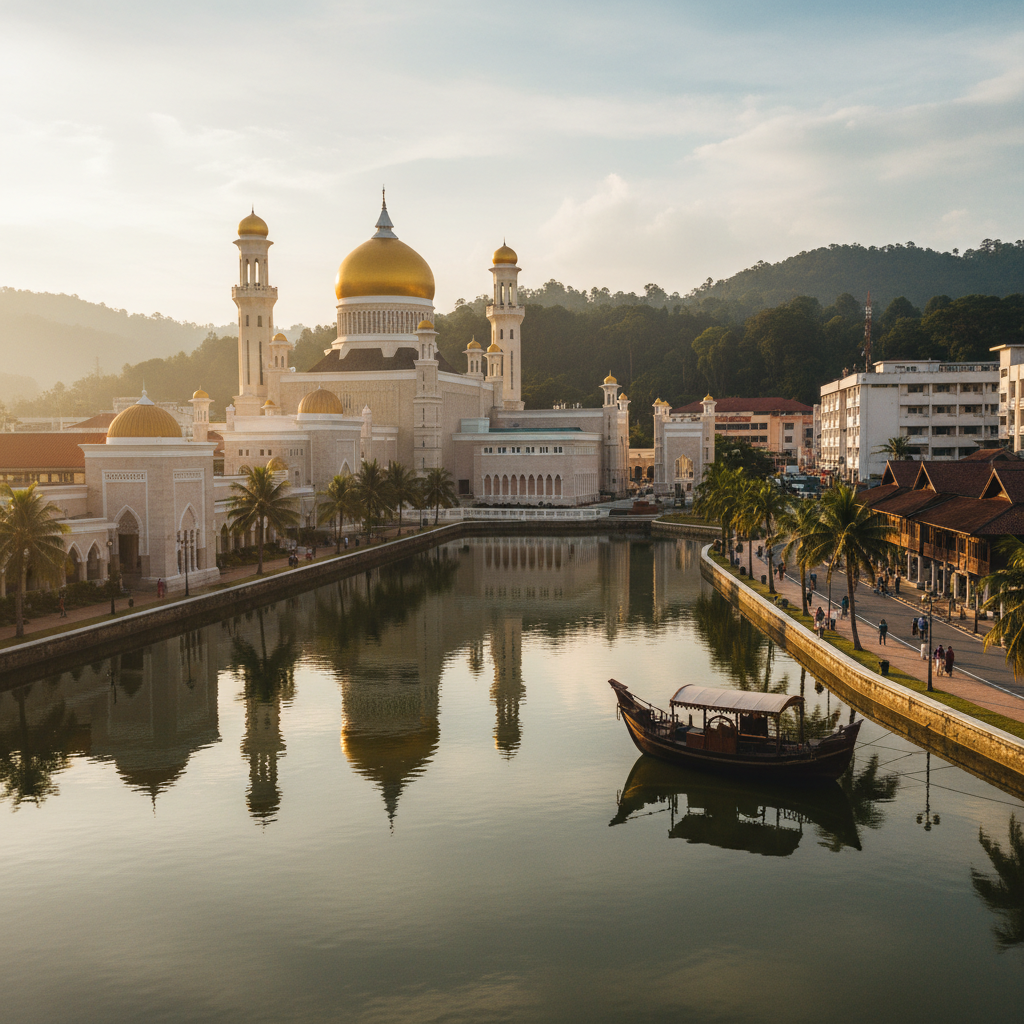
Ampuan is a small district in the Brunei-Muara district of Brunei, a residential and community area on the outskirts of the capital. The district grew as a residential area, and it is known for its parks, its community areas, and the quiet residential streets of the region. The district is a serene area with green spaces and community facilities, a contrast to the busier areas of the capital. Today Ampuan is a small residential district in the Brunei-Muara district of Brunei, a quiet area of parks and community spaces.
Amritsar
10India
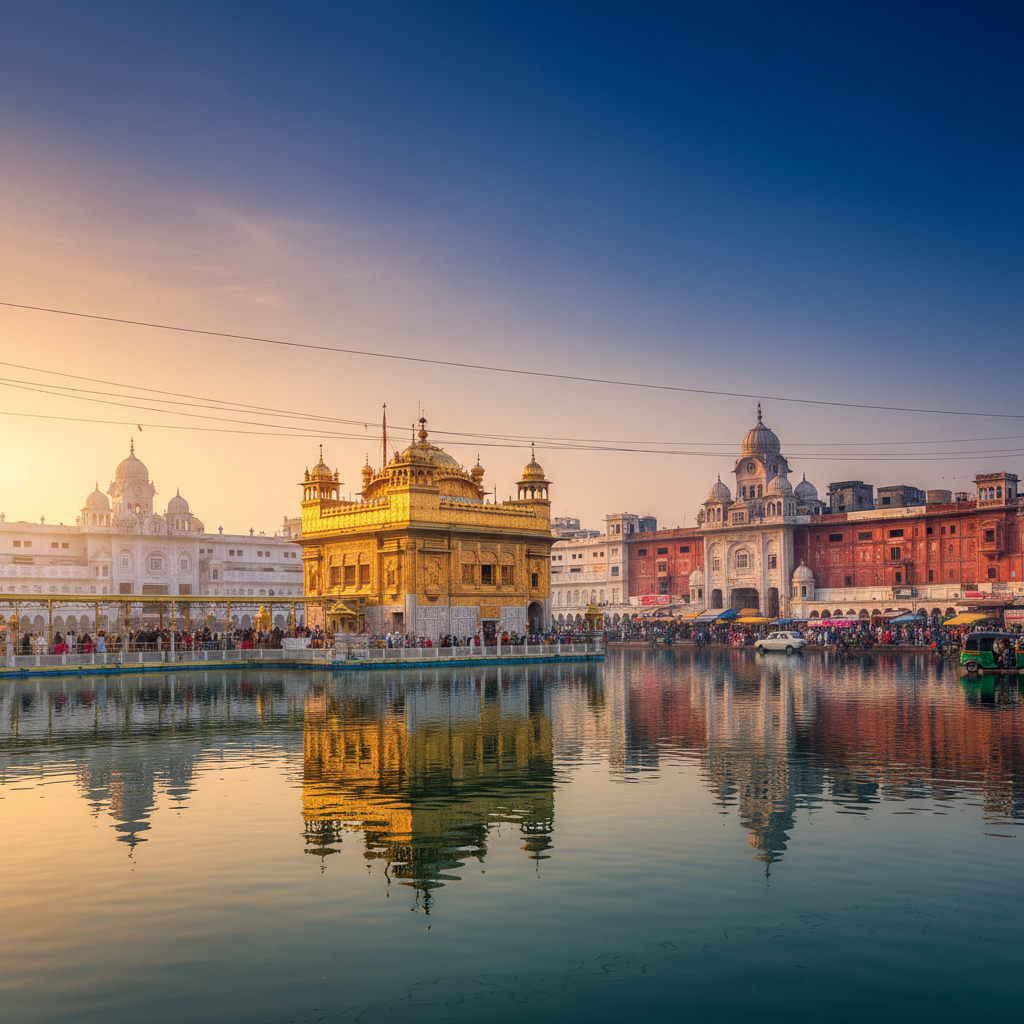
Founded in the 16th century by Guru Ram Das, Amritsar is significant for its establishment of the Golden Temple, the spiritual center of Sikhism. The city witnessed the Jallianwala Bagh massacre in 1919, a pivotal event in Indian history that fueled the struggle for independence. Today, it embodies a rich tapestry of spiritual and historical significance.
Amsterdam
11Netherlands•872K
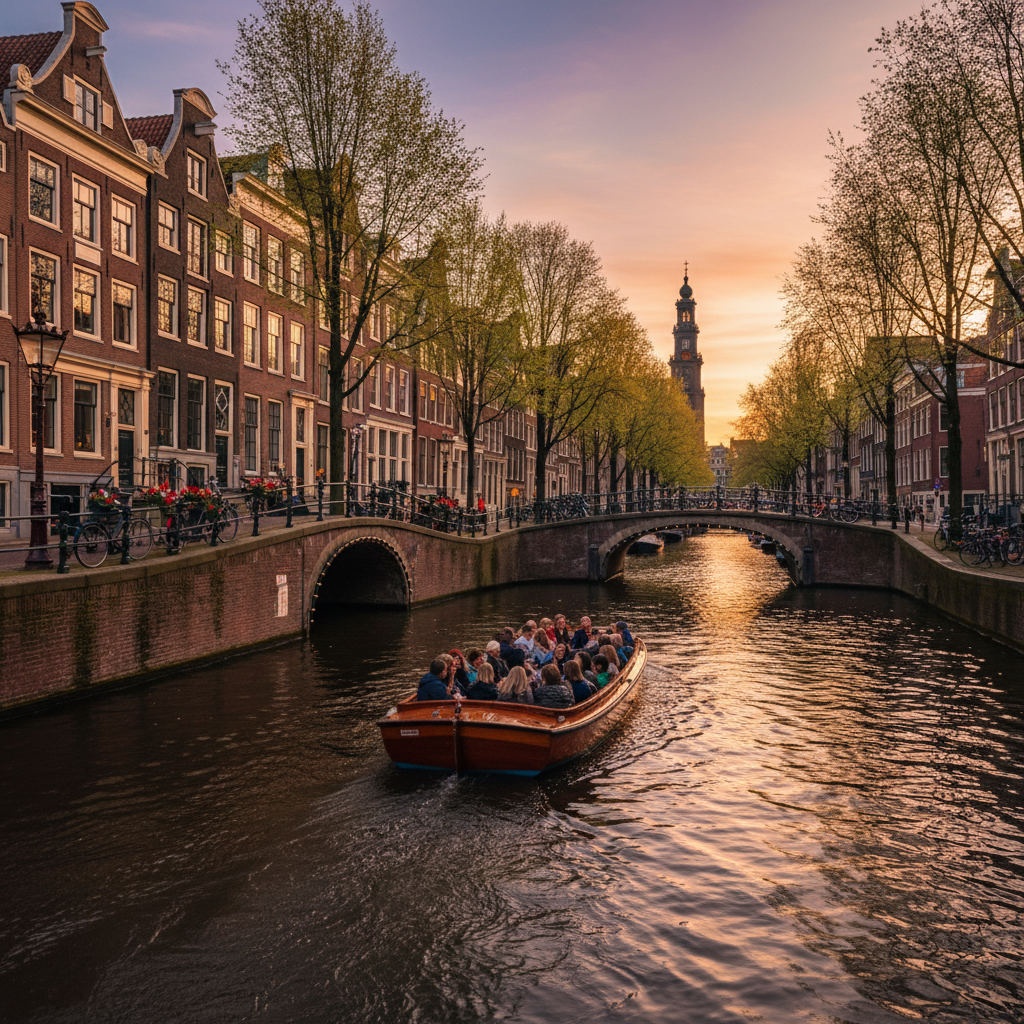
Amsterdam grew from a medieval settlement by a dam on the Amstel into a major global trading and financial center during the Dutch Golden Age. Its seventeenth-century canal ring is UNESCO-listed, while later expansion, migration, social housing, and cultural institutions created today’s diverse metropolitan city.
Amwaj Islands
10Bahrain•15K
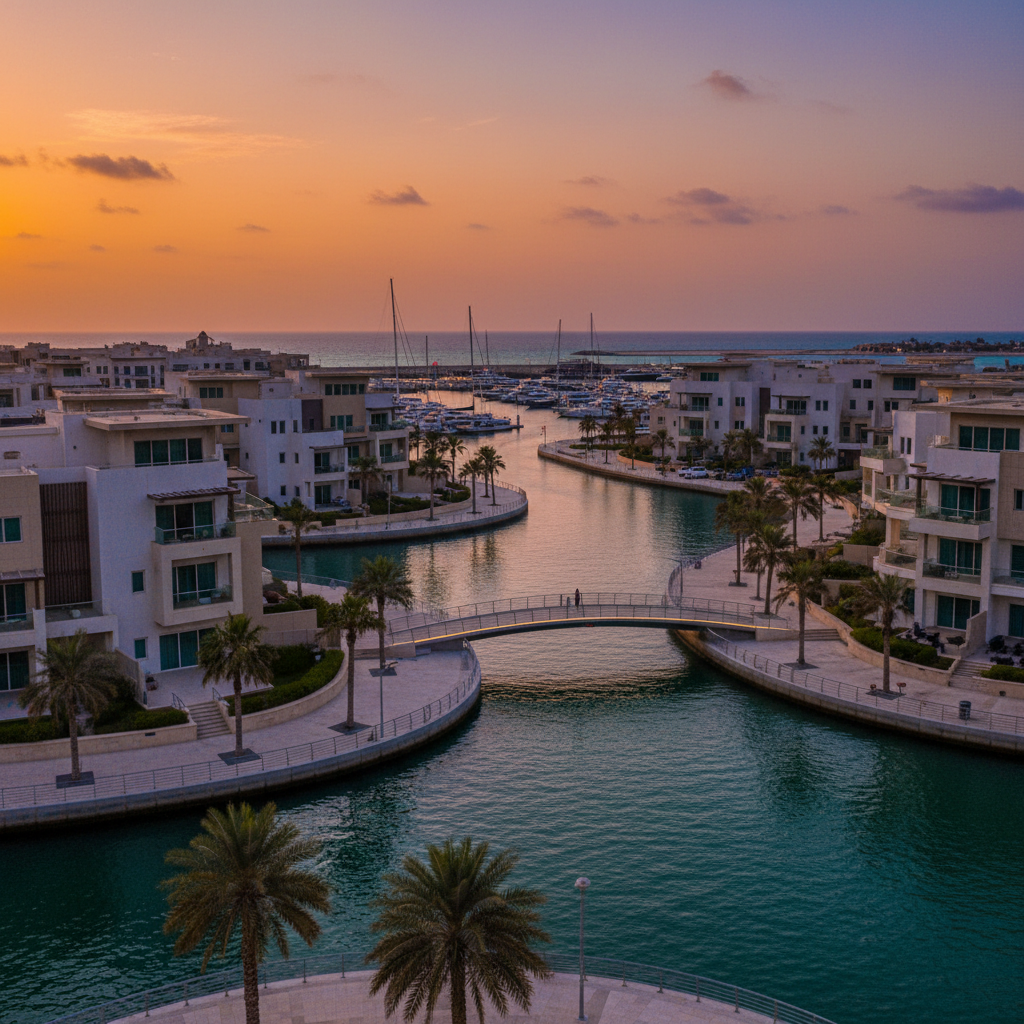
Amwaj Islands was developed in the early 2000s as a reclaimed island luxury development. It is connected to Muharraq by a causeway. The islands have become one of the most sought-after addresses in Bahrain, attracting wealthy expatriates and Bahraini professionals.
Anau
8Turkmenistan
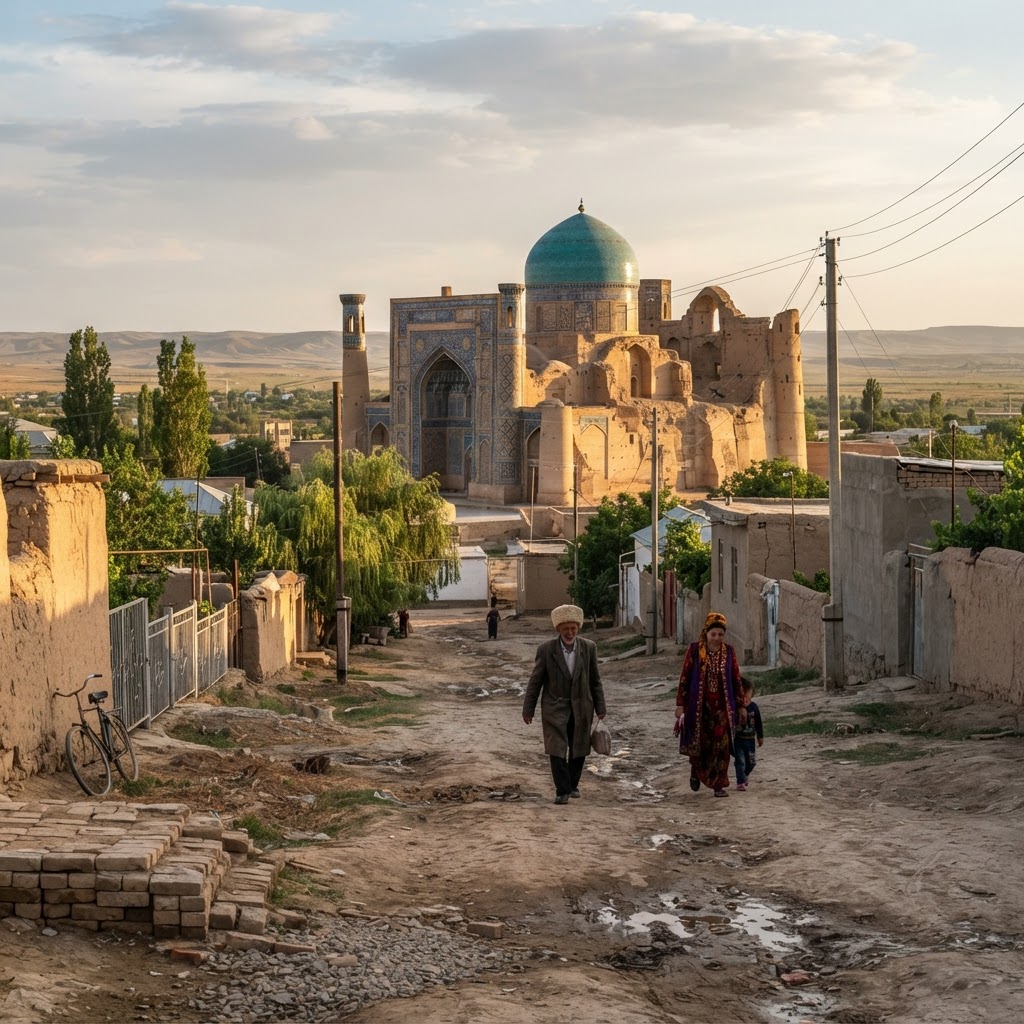
Anau is an ancient settlement east of Ashgabat, inhabited since the Neolithic period — the nearby Anau IA and IB mounds are among Central Asia's oldest archaeological sites, dating to around 4500 BCE. It is famous for the ruined 15th-century Seyit Jamal ad-Din Mosque, whose portal featured unique mosaic dragons, a rare motif in Islamic architecture. The mosque was heavily damaged in the 1948 Ashgabat earthquake. Today Anau serves as the administrative capital of Ahal Province and is closely tied to Ashgabat. The surrounding area is home to Akhal-Teke horse breeding, Turkmenistan's prized national breed.
Andijan
9Uzbekistan•380K
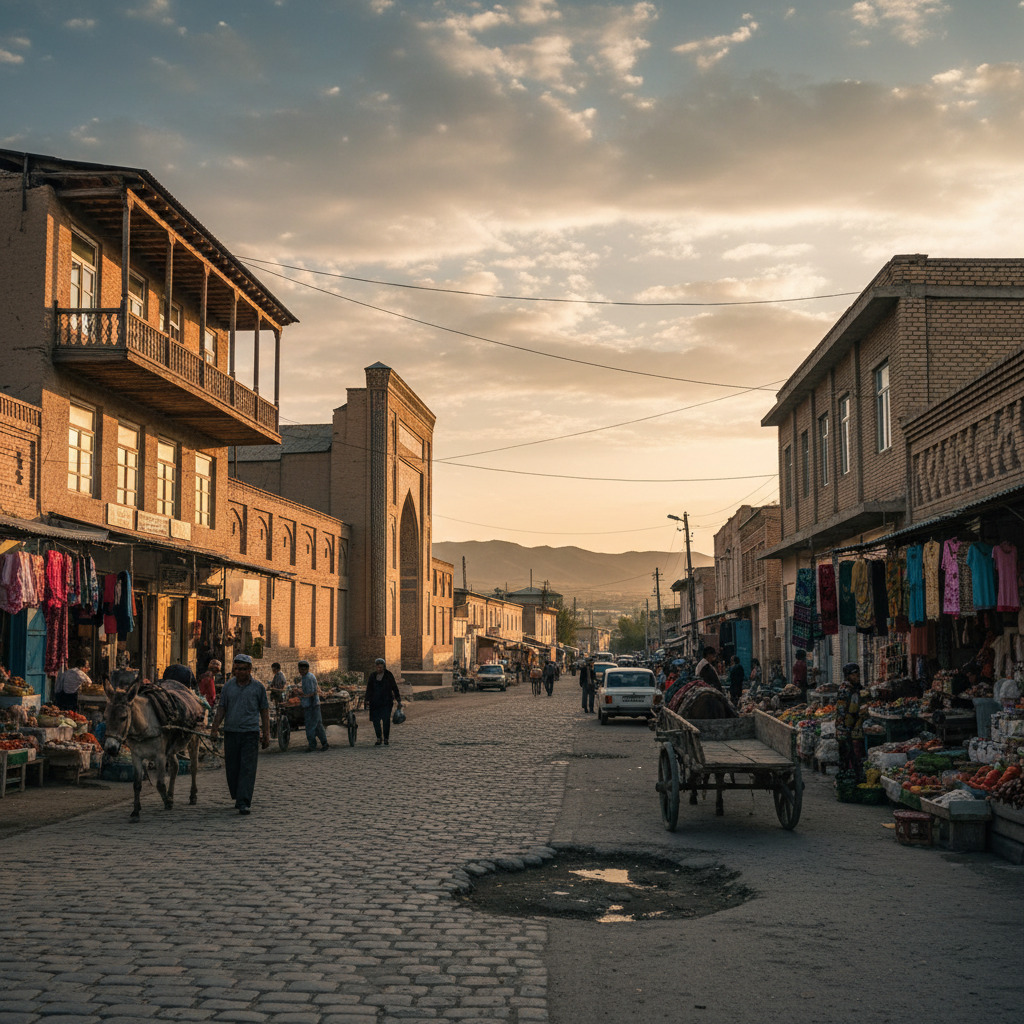
Andijan is the oldest city in the Fergana Valley with over 2,000 years of history. It is most famous as the birthplace of Zahir-ud-din Muhammad Babur (1483) — who went on to found the Mughal Empire in India, one of the world's greatest dynasties. The city's tragic modern history includes the 2005 Andijan massacre when security forces fired on protesters, killing estimates of 200-1,000+ people — an event that isolated Uzbekistan internationally for years.
Andorra la Vella
13Andorra•22K
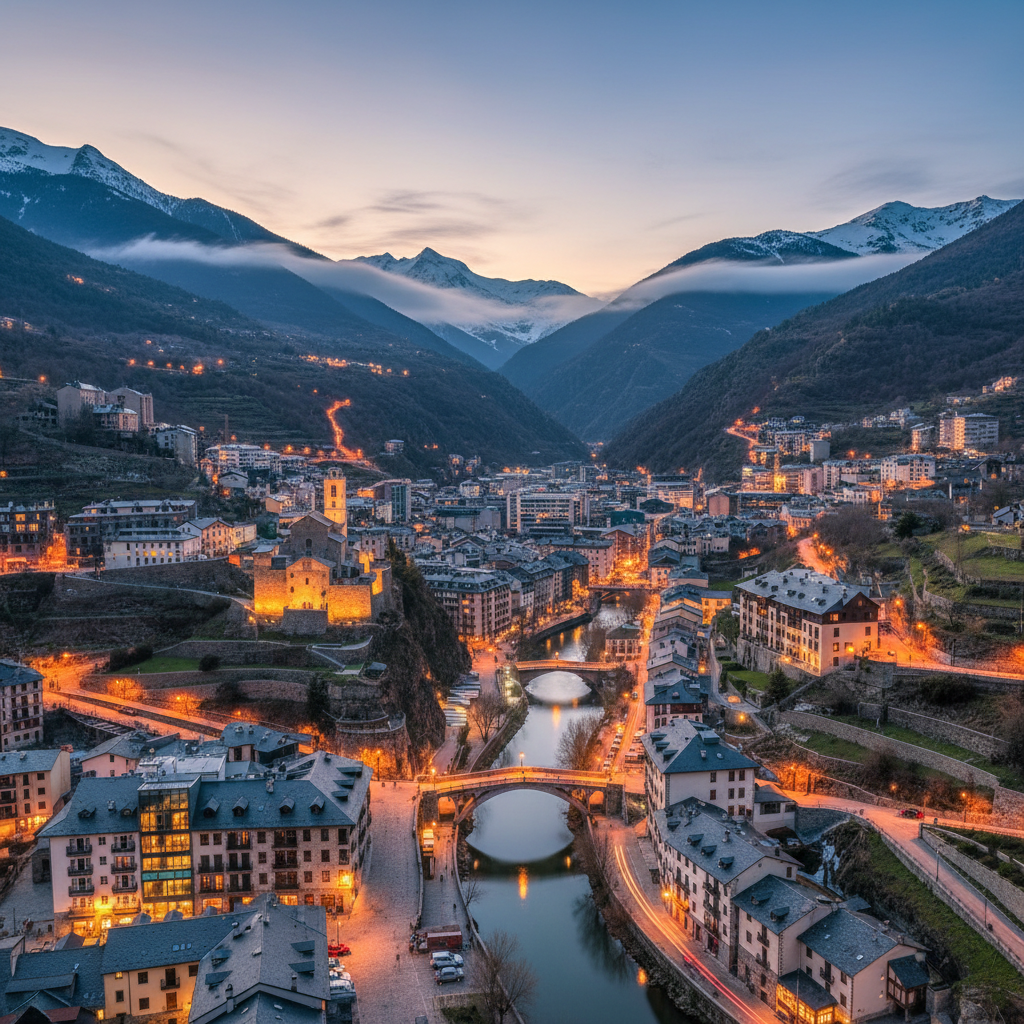
Andorra la Vella (Old Andorra) has been the capital of the Co-Principality of Andorra since the signing of the Pareatge in 1278, which established the unique dual sovereignty of the Spanish Bishop of Urgell and the French Count of Foix (now the French President). This medieval arrangement has made Andorra one of Europe's oldest surviving states. The city sits at 1,023 meters in the Pyrenees — the highest capital in Europe. Its status as a tax-free principality has made it a major commercial hub, while its mountain setting attracts skiers and hikers. The Barri Antic (old quarter) preserves the historic stone buildings of the medieval settlement.
Andros
10Bahamas•8K
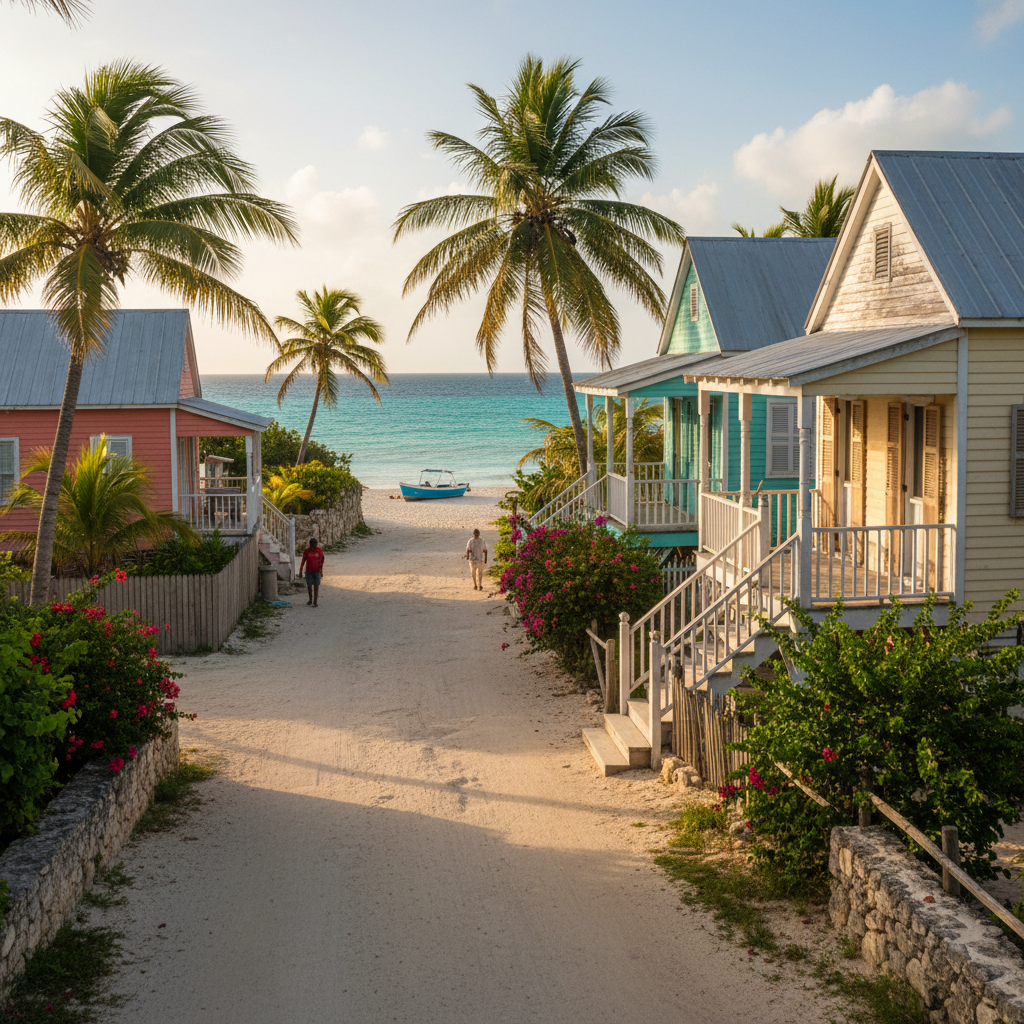
Andros is home to the Andros Barrier Reef — the third largest barrier reef in the world. The island's famous blue holes (underwater sinkholes) are among the deepest in the world and attract cave divers globally. The indigenous Chickcharney — a mythical bird creature of Androssian folklore — is said to inhabit the forests. The island produces authentic Androsia batik fabric, a distinctive hand-painted craft.
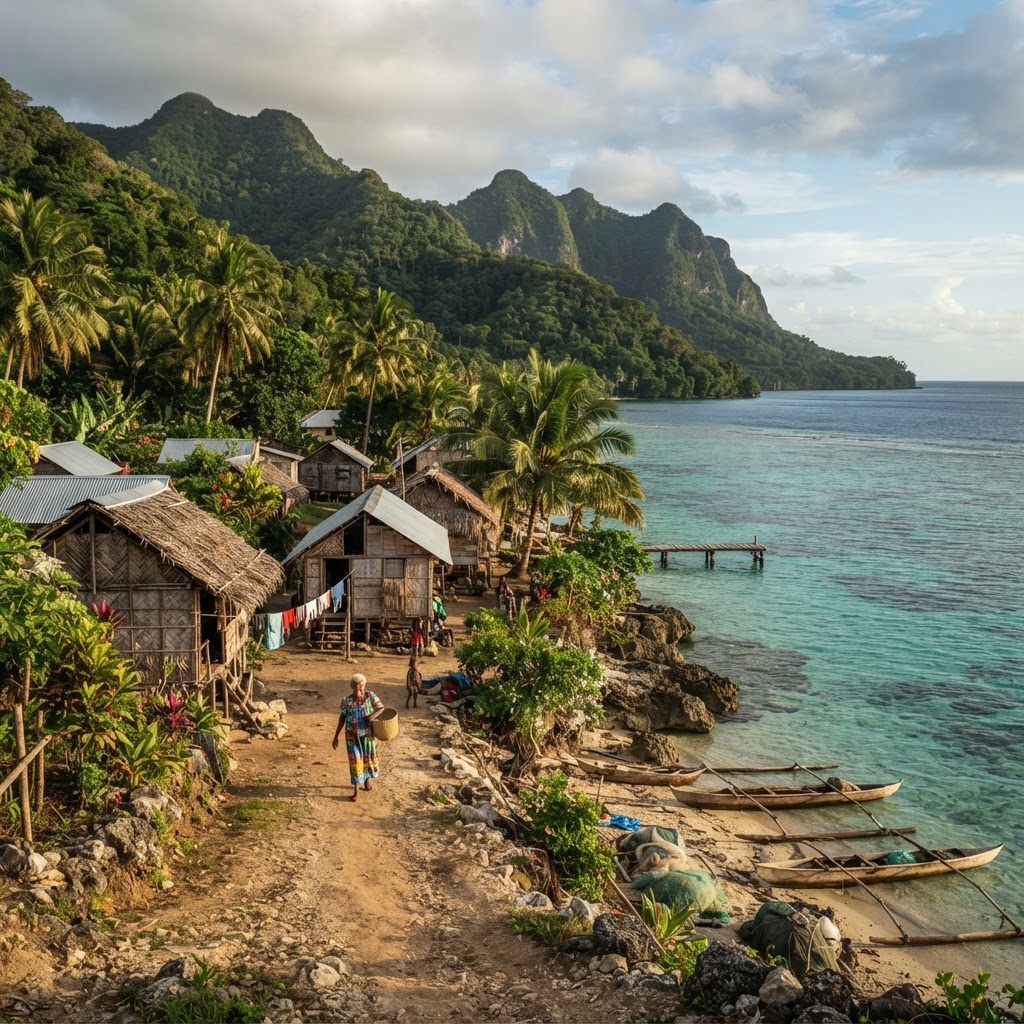
Aneityum
5Vanuatu•900
Southernmost island, home to Mount InreragAtim and coral reefs.
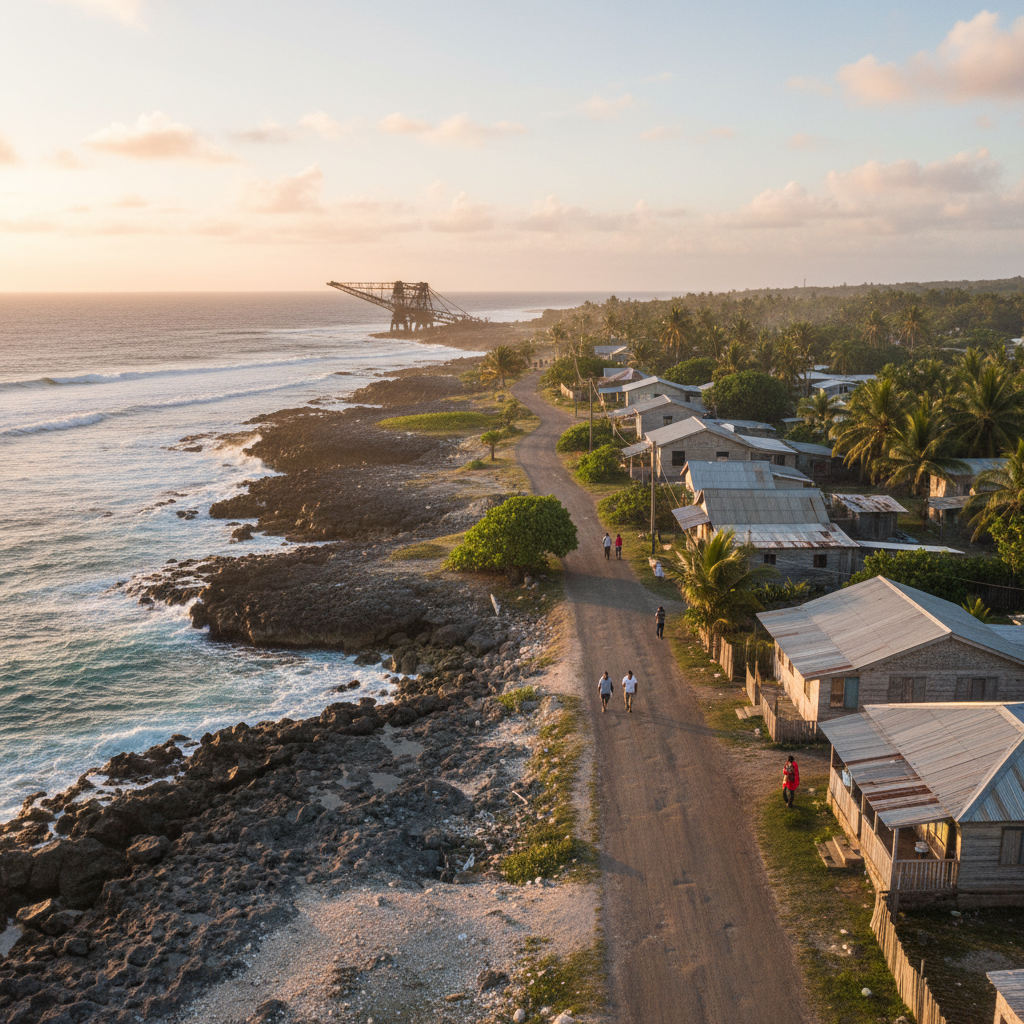
Anetan
2Nauru
Anetan is known for being located near the capital, Yaren District, on the southeast coast of Nauru. The island has a rich history linked to phosphate mining, which significantly shaped its economy and social structure during the 20th century. This small district holds cultural significance, including traditional Nauruan customs and practices.
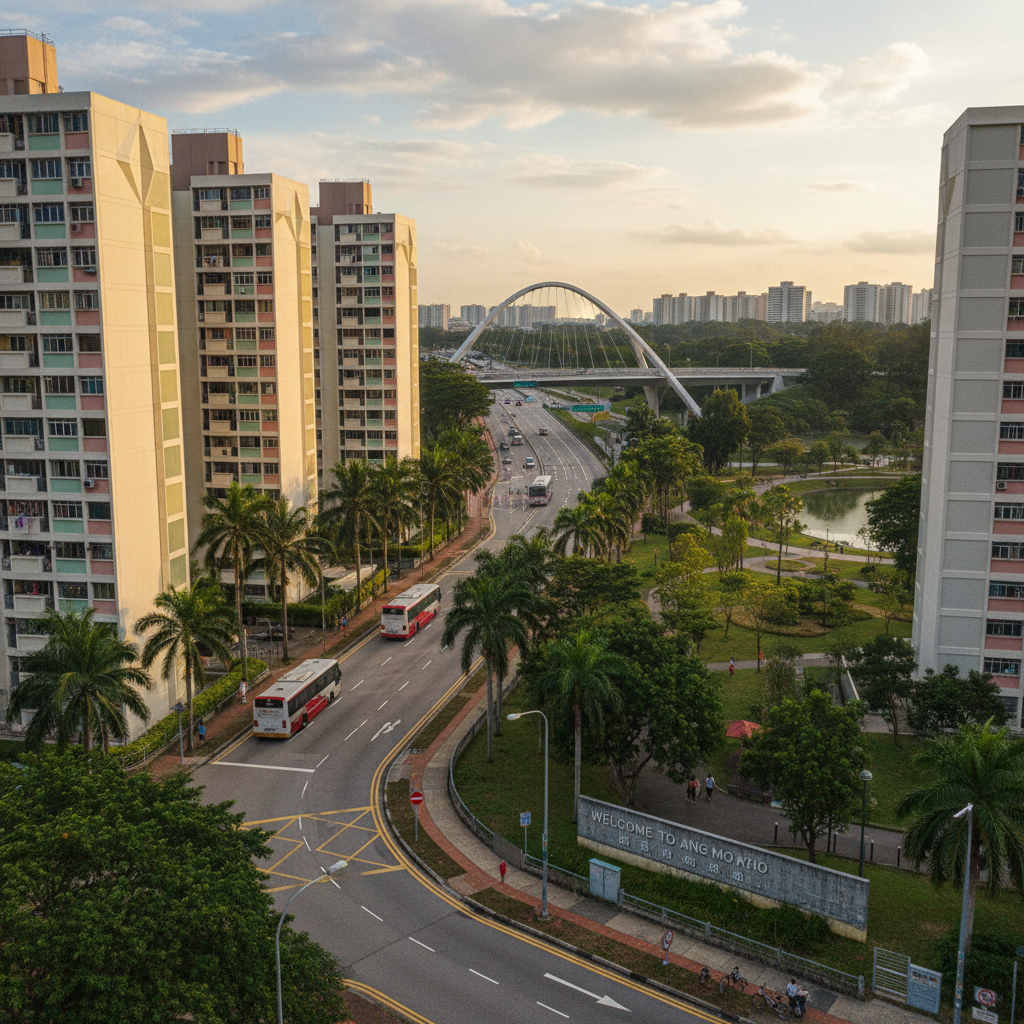
Ang Mo Kio
16Singapore
Established in the 1970s, Ang Mo Kio is one of the newer residential towns in Singapore, developed to provide housing for the growing population.
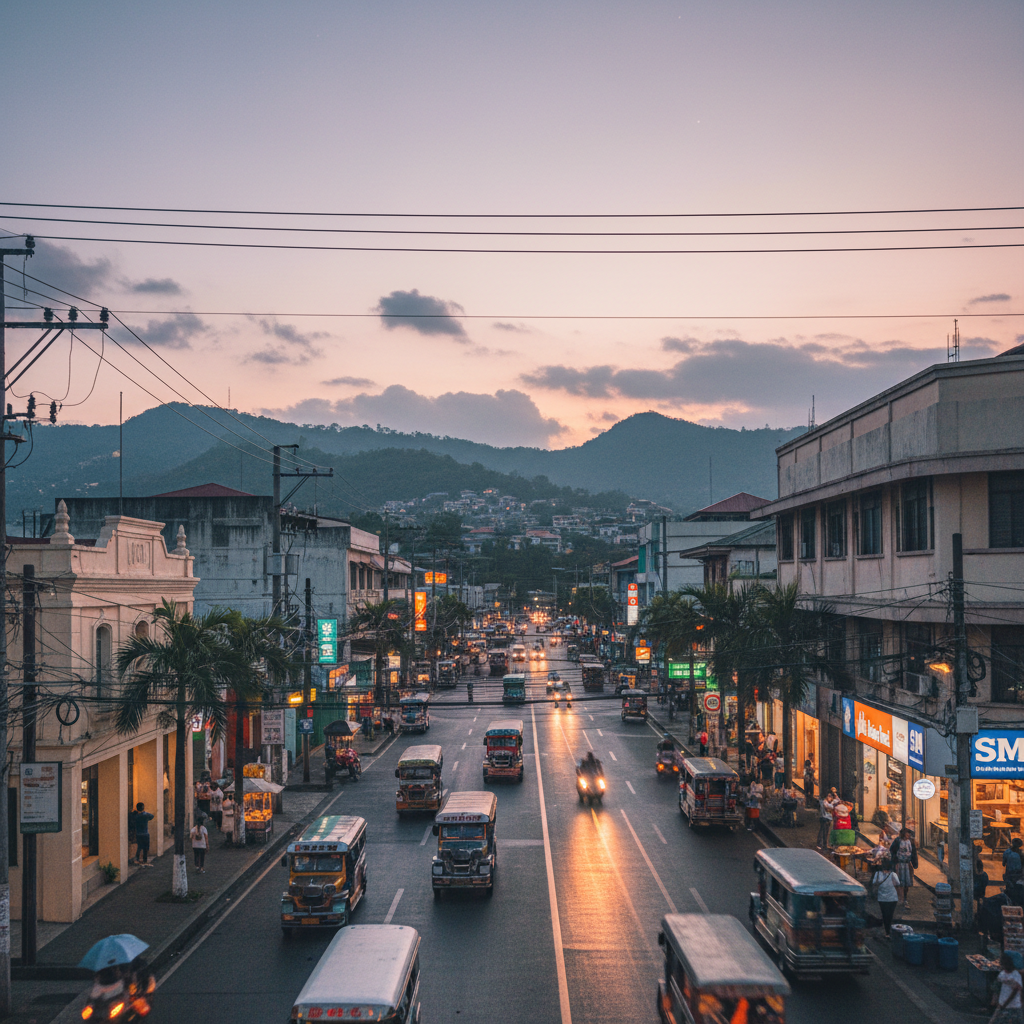
Angeles City
11Philippines
Located in Central Luzon, transformed from an old military base town into a booming commercial culinary center, lifestyle destination, and flight hub.
Anibare
3Nauru
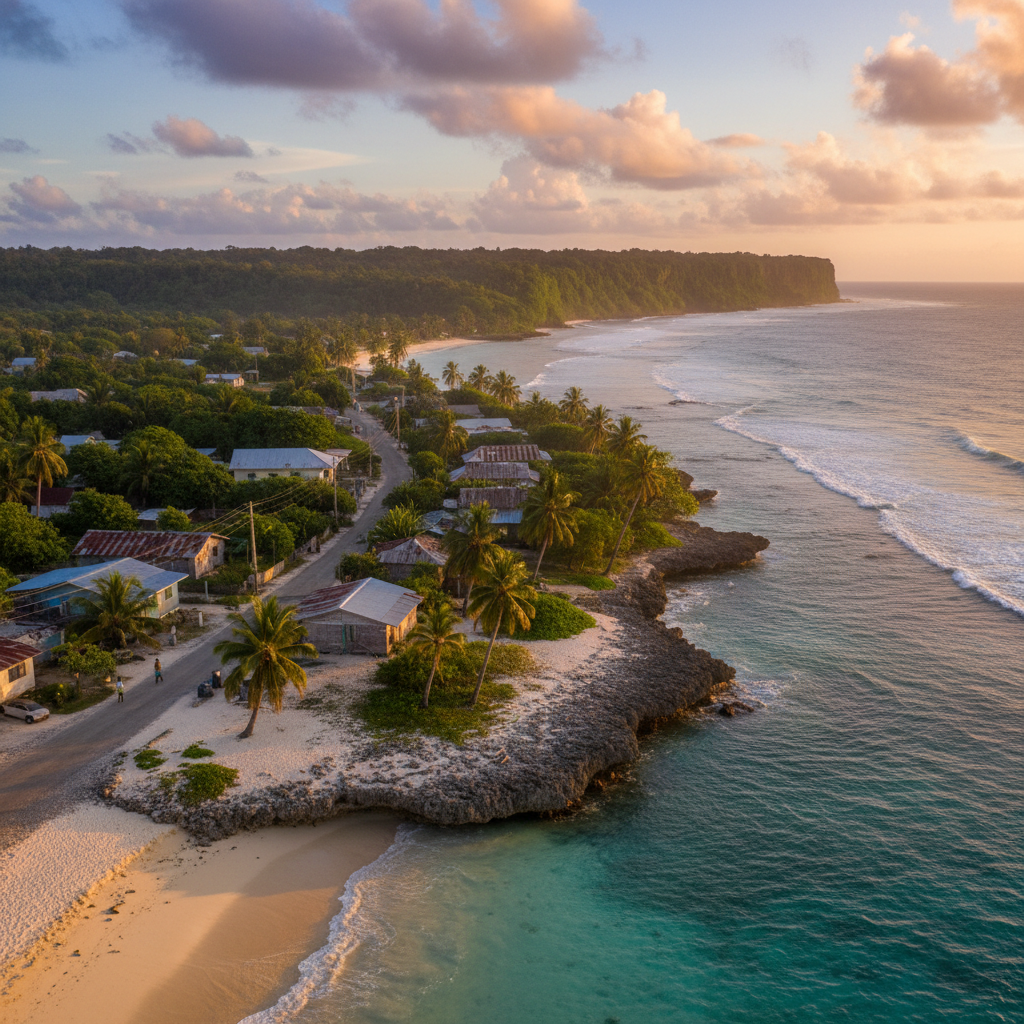
Anibare has a rich history tied to World War II, where it served as a site for Japanese military installations. The area is also known for its phosphate mining history, which significantly impacted Nauru's economy and landscape. Today, remnants of this past are visible in the surrounding areas, creating a unique historical context.
Ankara
20Turkey•5.3M
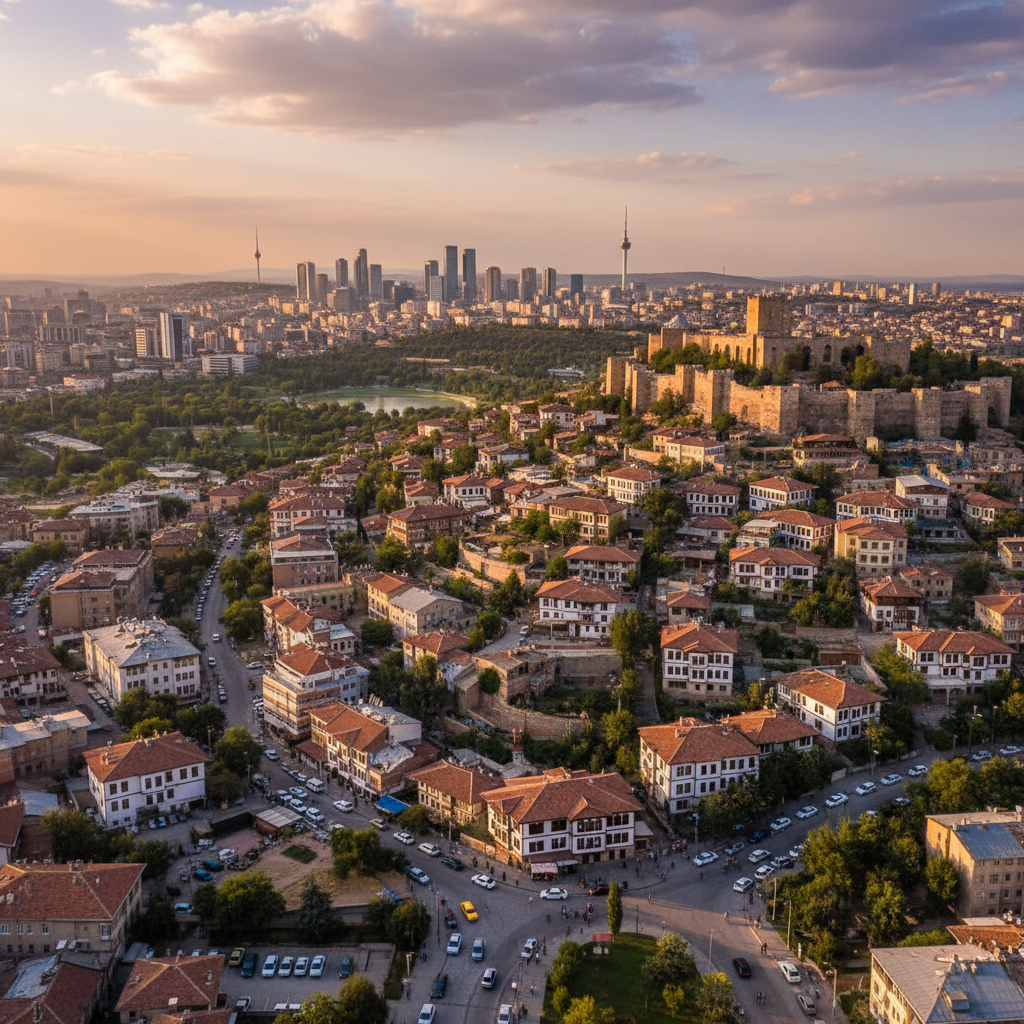
Turkey's purpose-built capital is a city of broad boulevards, embassies, and grand republican monuments that replaced Istanbul as the seat of government when Atatürk founded the modern Turkish state in 1923. While often overlooked by tourists in favour of Istanbul, Ankara offers the world's finest museum of Anatolian civilisations, the magnificent hilltop Atatürk Mausoleum (Anıtkabir), and a sophisticated university city culture that is in many ways more authentically Turkish than cosmopolitan Istanbul.
Alaska
1 city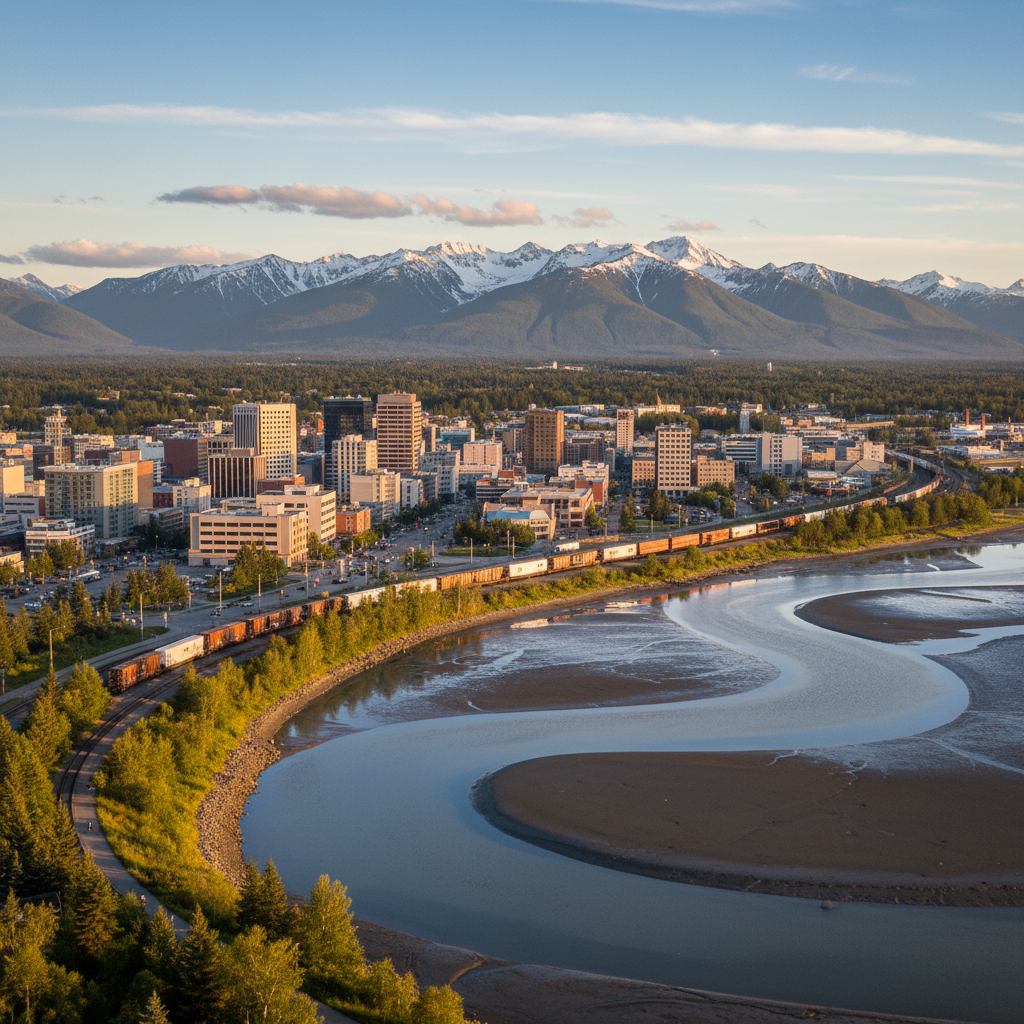
Anchorage
11United States•291K
Anchorage was established in 1914 as a railroad depot and quickly grew in importance during World War II as a strategic military base. After the war, it transitioned into a city and became the largest in Alaska, serving as a hub for shipping and transportation. The Great Alaska Earthquake in 1964 significantly shaped its infrastructure and development.
California
1 city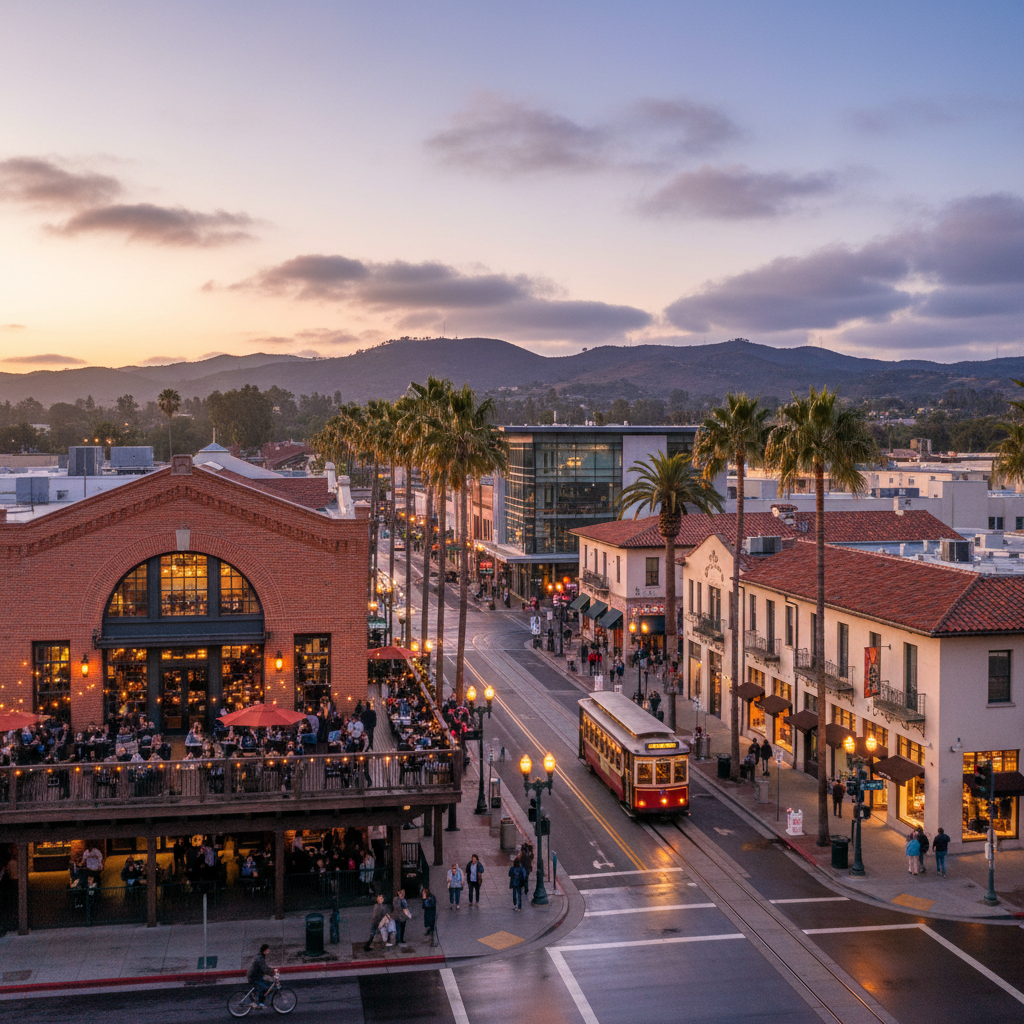
Anaheim
4United States
Anaheim was founded in 1857, originally as a small colony of German settlers. The city is well-known for the establishment of Disneyland in 1955, which transformed it into one of the foremost tourism centers in the United States, significantly influencing its development and economy.
District of Columbia
1 city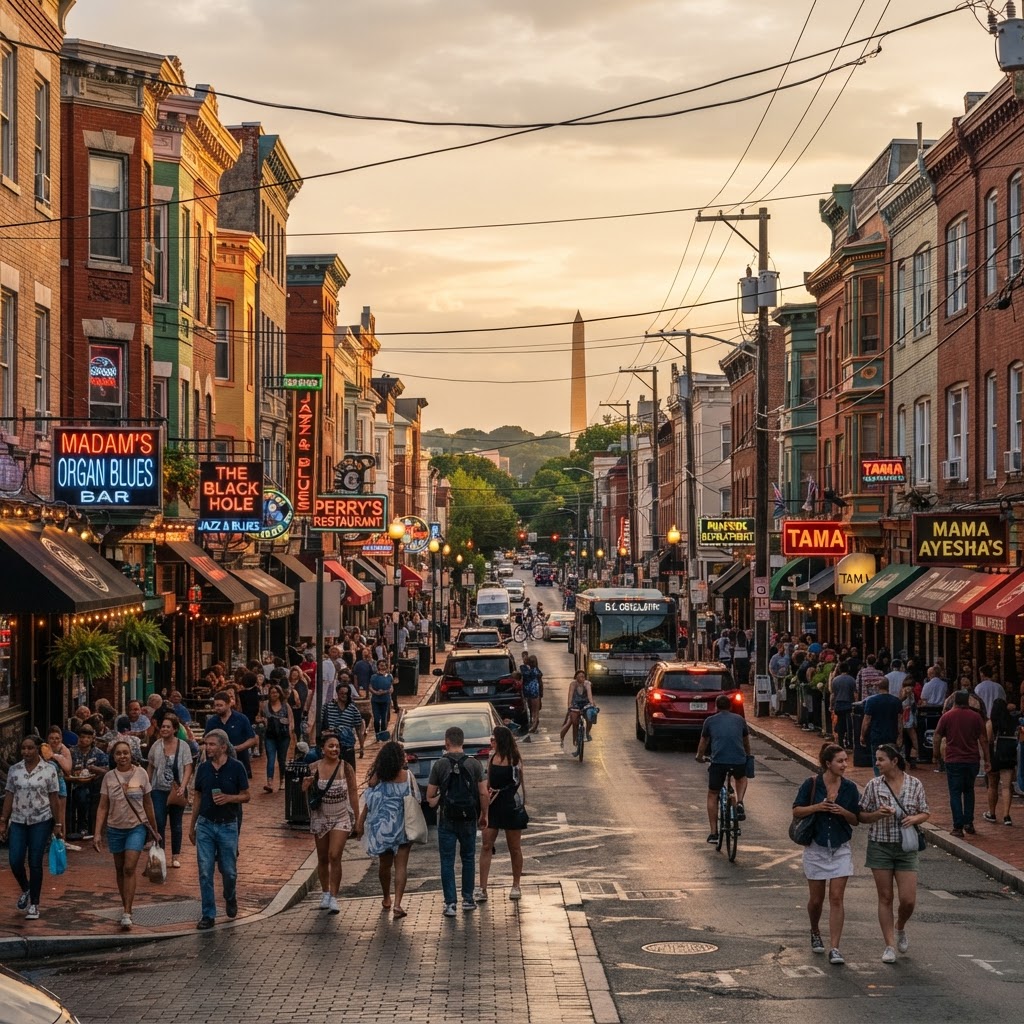
Adams Morgan
5United States•20K
Multicultural dining and nightlife hub known for its murals and weekend festivals.
Georgia
1 city
Alpharetta
7United States
Alpharetta was established in 1858 and originally served as a cotton-gathering hub before evolving into a suburban center. The city played a vital role in the agricultural development of North Fulton County and is home to numerous antebellum homes and historic buildings, showcasing its rich heritage. Today, it embraces its past while offering modern amenities and vibrant community events.
Iowa
1 city
Ames
8United States
Founded in 1864, Ames became known for its role as a center of education with the establishment of Iowa State University in 1858. The city played a significant part in the agricultural development of Iowa, earning the nickname 'The City of the Future.' Today, Ames is recognized for its contributions to research and technology, particularly in agriculture and engineering.
Louisiana
1 city
Alexandria
7United States•160K
Alexandria was founded in 1749 and played a significant role during the American Revolution and the Civil War. It was a major supply center for Confederate troops and features many historic buildings, including the iconic Carlyle House and the George Washington Masonic Memorial. The city's rich maritime history is also celebrated at the Alexandria Black History Museum.
Montana
1 city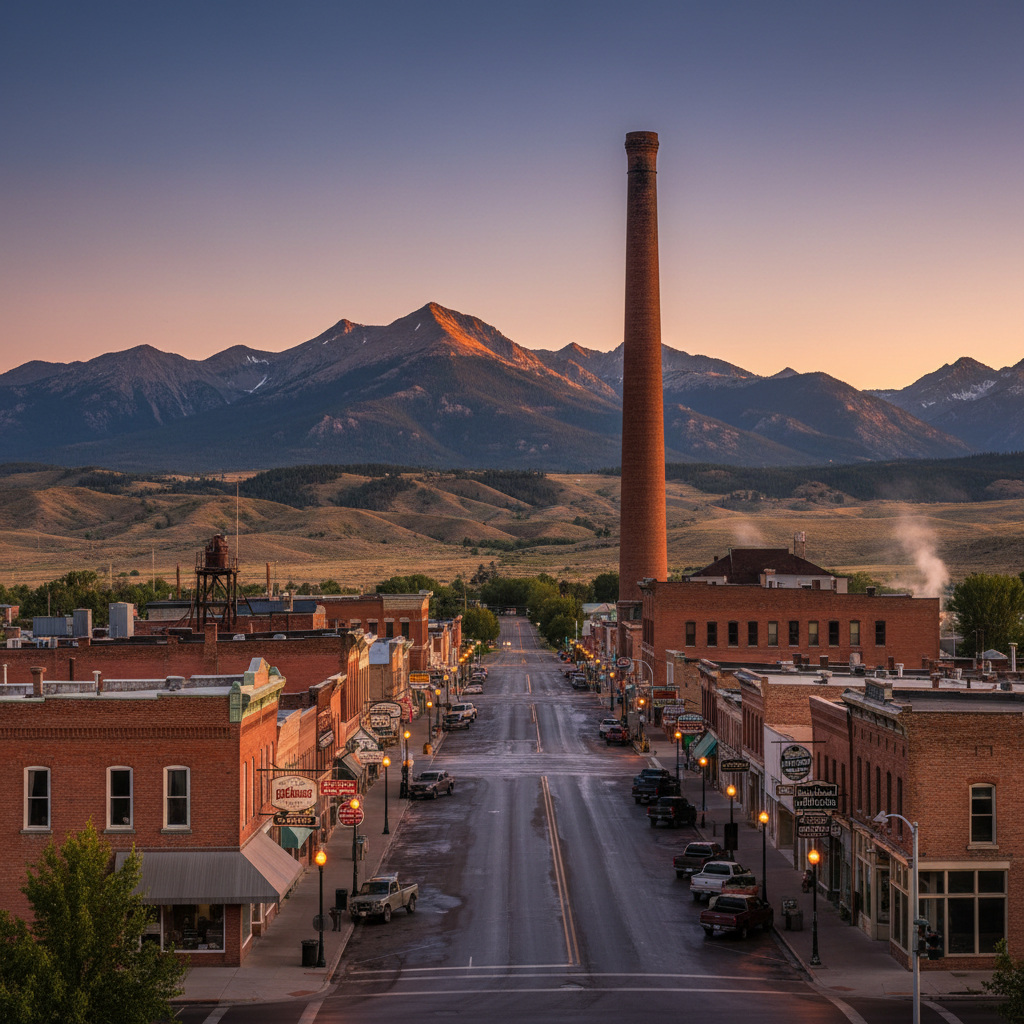
Anaconda
13United States
Anaconda was founded in the 1880s, primarily as a mining town during the Copper Boom. The Anaconda Copper Mining Company played a significant role in its development, making it an industrial hub. The city's rich mining history is commemorated in various historical sites and museums, showcasing its transformation from a bustling mining town to a quieter residential community.
New Mexico
2 cities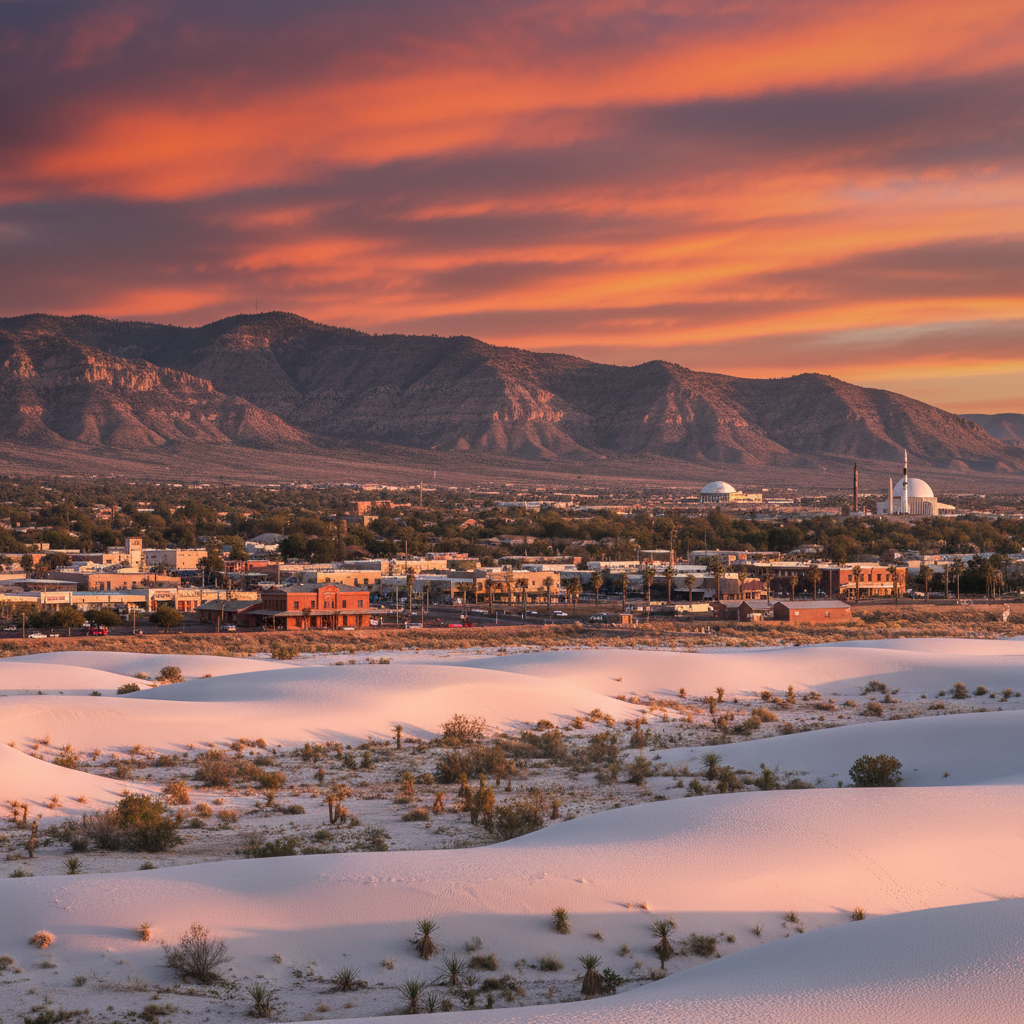
Alamogordo
22United States
Alamogordo was founded in 1898 and has historical significance due to its proximity to the White Sands Missile Range. The city played a role in the development of rocket technology during the WWII and Cold War eras, particularly with the Trinity test site nearby.
Albuquerque
12United States
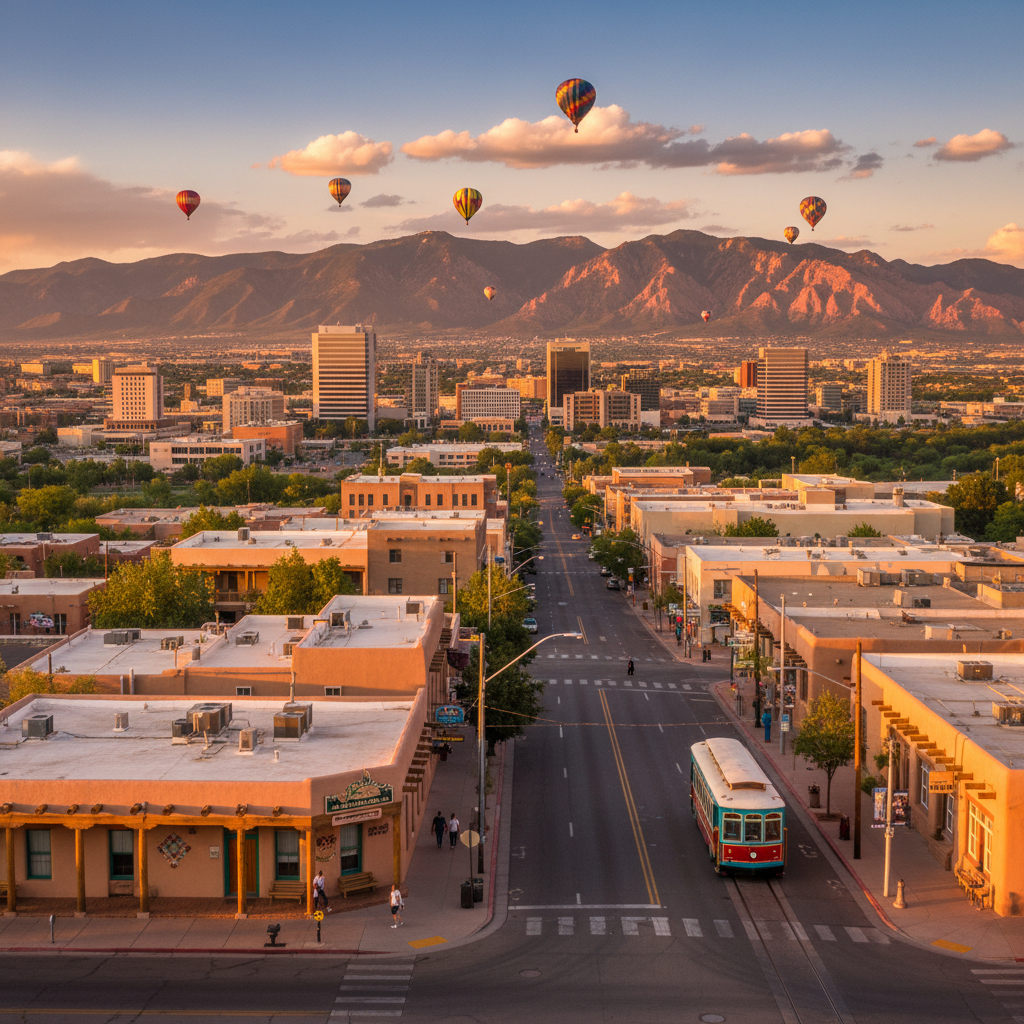
Founded in 1706, Albuquerque is one of the oldest cities in the United States, originating as a Spanish colonial outpost. It played a significant role in the 19th-century Southwest expansion and became an essential hub for the railroad in the late 1800s. Today, its rich heritage is evident in its diverse architecture, including Pueblo-style adobe buildings and historic Route 66 signage.
New York
1 city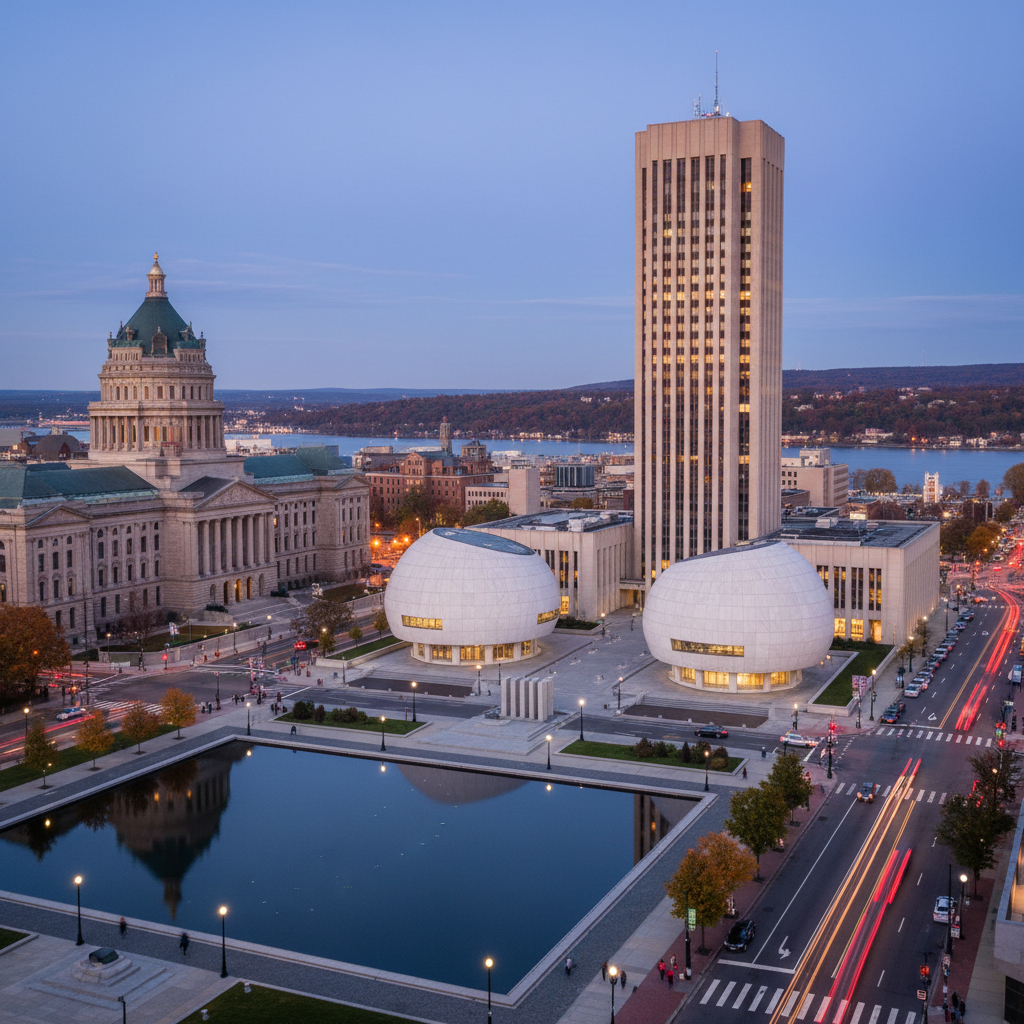
Albany
8United States
Albany is one of the oldest continuous settlements in the United States, having been established in 1624 by the Dutch as Fort Orange. The city played a critical role in American history as the political center of New York and a vital location during the American Revolution, particularly in the Saratoga campaign. The New York State Capitol, completed in 1899, showcases a blend of architectural styles and serves as a testament to Albany's political significance.
Ohio
1 city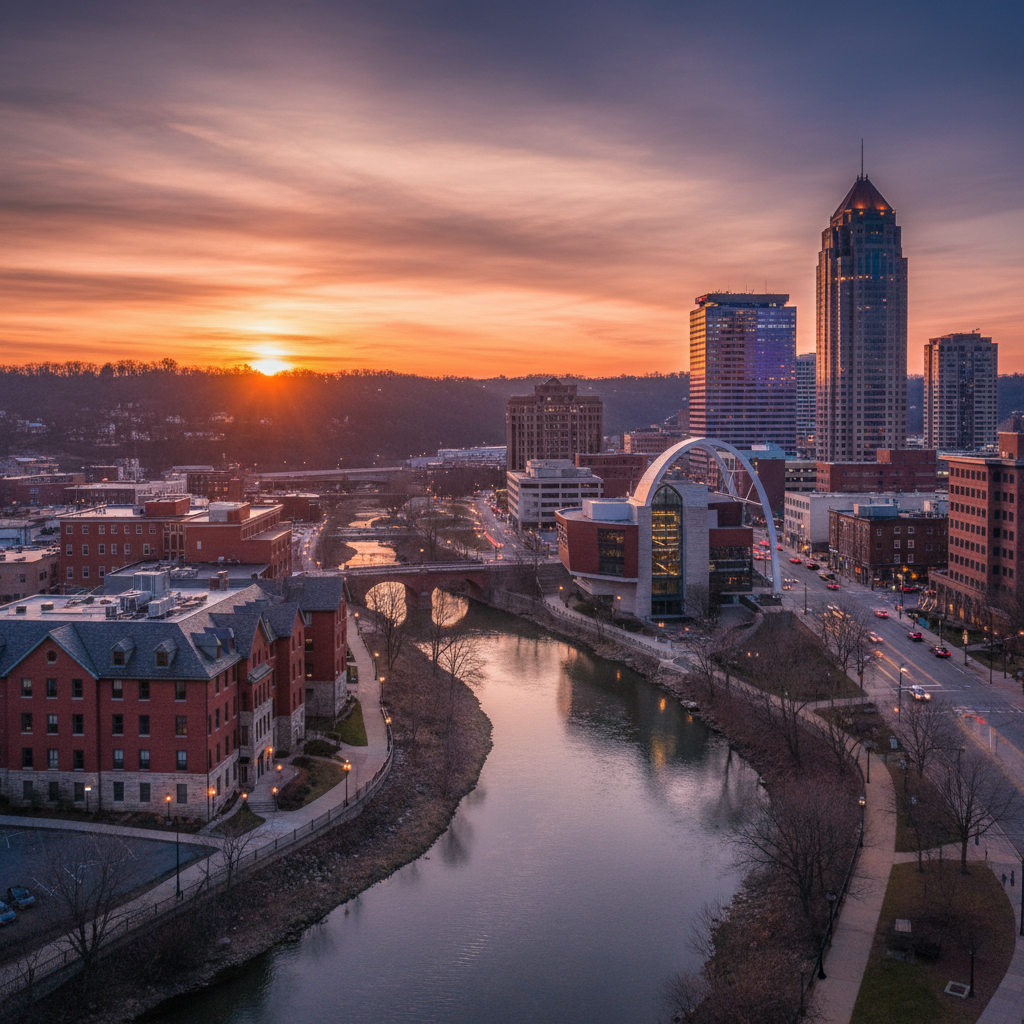
Akron
8United States
Akron, known as the Rubber Capital of the World, took off during the late 19th century with the rise of the rubber industry, significantly contributing to its economic development. The city was also a key player in the industrial boom due to its strategic location along the Ohio and Erie Canal. The importance of Akron's industry dwindled in the late 20th century, but it retains a rich heritage seen in its museums and historical sites.
South Carolina
1 city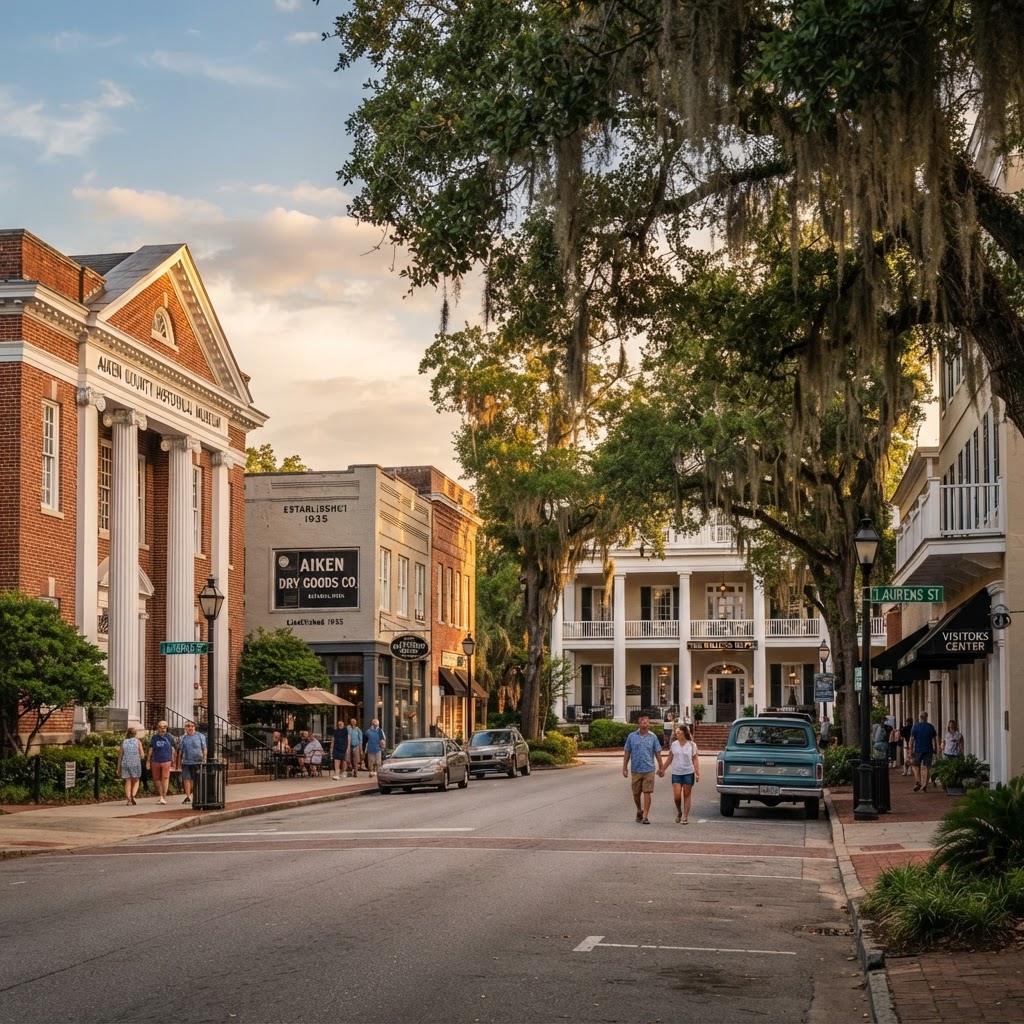
Aiken
35United States•32K
Winter colony for the wealthy, now a horse-racing and gardens destination.
South Dakota
1 city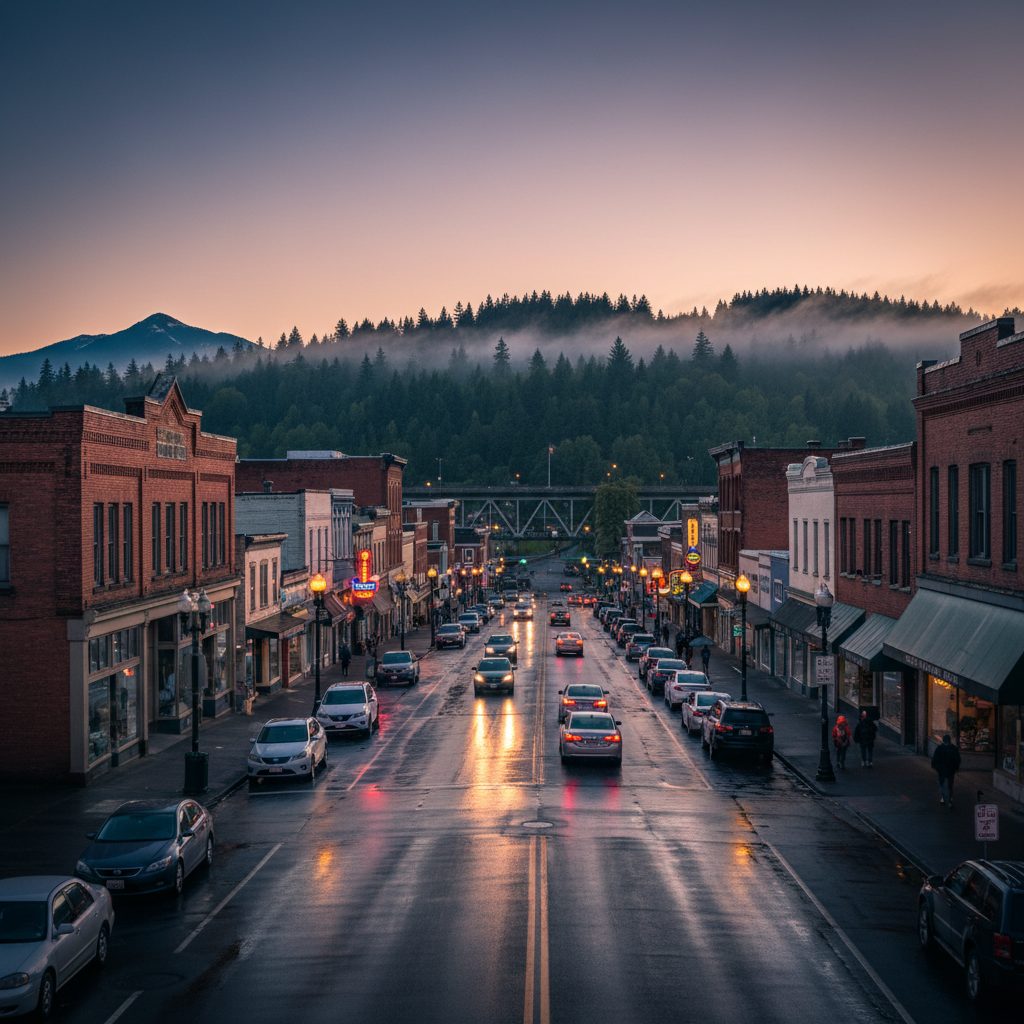
Aberdeen
11United States
Founded in 1885, Aberdeen was originally an agricultural hub and grew during the Northern Pacific Railway era. The city played a crucial role in logging and fishing industries, contributing significantly to its economy. Notably, the first rodeo in Washington State took place here in the 1920s, marking a rich cultural heritage.
Texas
1 city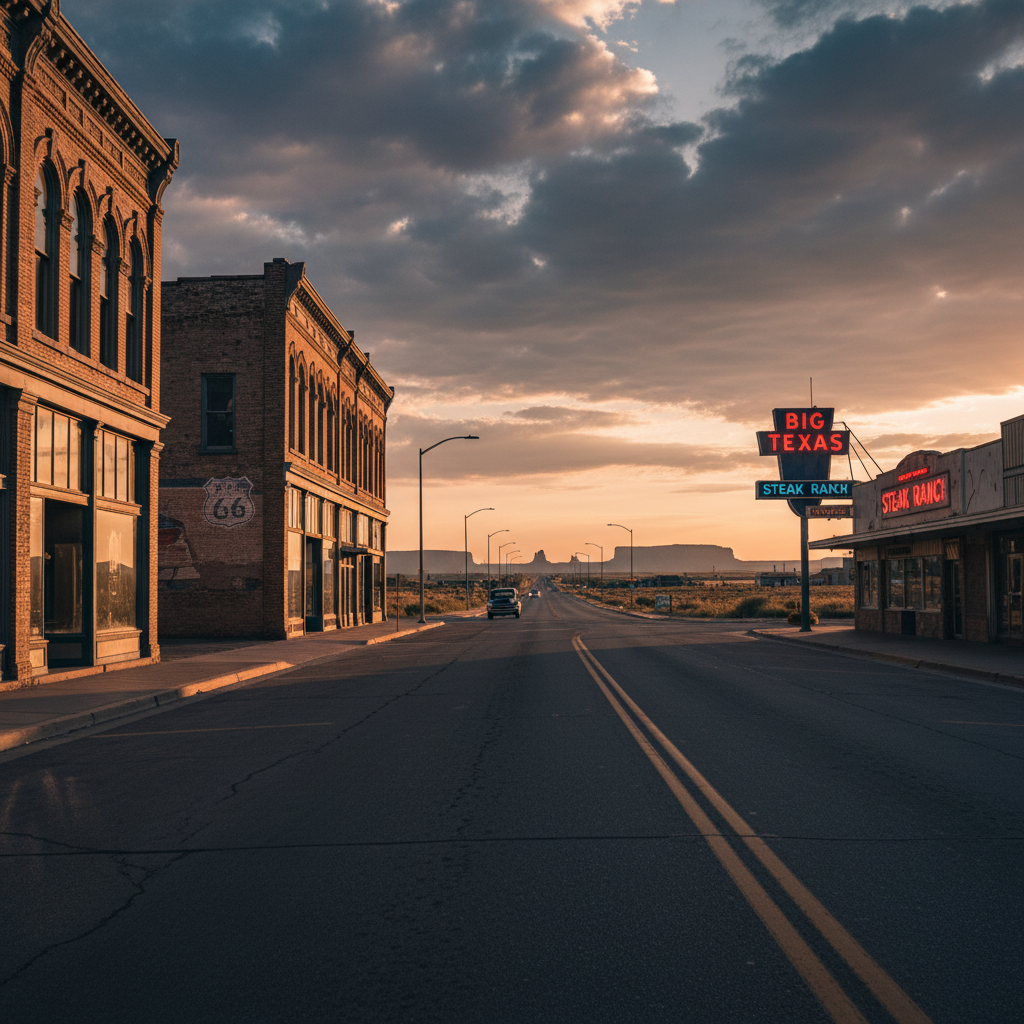
Amarillo
7United States
Founded in 1887, Amarillo played a pivotal role in the cattle-driving era, becoming a significant market for cattle ranching in the Texas Panhandle. The city was named after the Spanish word for yellow, which references the yellow wildflowers found in the region. Throughout the 20th century, Amarillo also developed into a center for Route 66 tourism, symbolizing America's road travel culture.